

Now Reading: Fast & Reliable Wrong Fuel Recovery Service
-
01
Fast & Reliable Wrong Fuel Recovery Service

Introduction
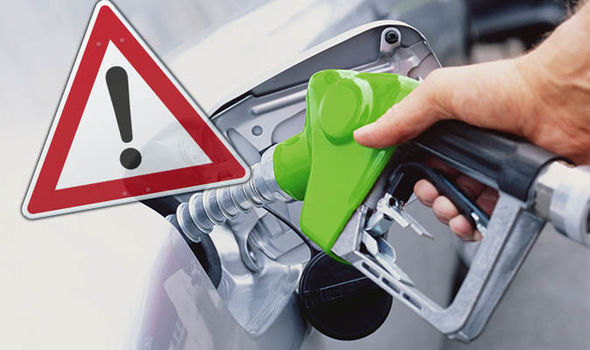
One wrong nozzle at the pump can stall your day and threaten your engine. Around 150,000 UK drivers misfuel every year — roughly one every three minutes. The mistake takes seconds, but the fallout can drain your wallet fast. A professional wrong fuel recovery service fixes the problem where you stand, drains the contaminated fuel, flushes the system, and gets you moving again. No towing fees. No garage queue. No panic.
This guide walks you through what happens when you put the wrong fuel in your car, the immediate steps to take, and how a fast mobile fuel drain works. Read on before you touch the ignition.
What Is Misfuelling and Why Does It Happen?
Misfuelling means putting the wrong fuel recovery type in your tank at the fuel station forecourt. Most cases involve petrol in a diesel car — a common error because a petrol nozzle slips easily into a diesel filler neck.
Diesel in a petrol car is rarer. The diesel nozzle is wider than most petrol filler necks, so it usually won’t fit. But it still happens, especially with older vehicles.
The mistake is easy to make. Distraction, a rushed schedule, an unfamiliar hire car, or a switch between company vehicles all raise the risk.
Here’s the good news: misfuelling is fixable. The key is acting fast. Do not turn the key. The most serious engine damage happens after you start the ignition and circulate the incorrect fuel through the system.
Petrol in a Diesel Car vs. Diesel in a Petrol Car
The fuel you added determines the risk. One scenario is far more damaging than the other.
Petrol in a diesel car — the serious one. Diesel acts as a lubricant for the fuel pump and injectors. Petrol acts as a solvent. Mix the two, start the engine, and the petrol strips the lubrication — increasing friction and damaging the fuel pump, fuel lines, and injectors. Repairs get expensive fast, and a full fuel system replacement is possible.
Diesel in a petrol car — the milder one. Diesel coats the spark plugs and fuel system, causing misfires, smoke, and stalling. Once the fuel is drained, your petrol engine rarely suffers permanent damage.
A quick reference:
- Petrol in diesel: high risk — drain immediately, do not start.
- Diesel in petrol: lower risk — still drain the full tank and clean the circuit.
- Unleaded in diesel: treat as urgent, same as petrol in diesel.
Immediate Steps to Take After Misfuelling
Your first moves decide the cost. Follow this sequence the moment you realize the error.
- Do not start the engine. Keep the key out of the ignition to stop the contaminated fuel from reaching the fuel pump and injectors.
- Tell the station staff. They can help you move safely and clear the pump area.
- Put the car in neutral. Push it to a safe spot away from the forecourt traffic.
- Call a fuel drain specialist. Give your location, vehicle make and model, the fuel added, and how far you’ve driven.
- Wait safely. Stay clear of the vehicle while help is on the way.
If you’ve already started the engine, switch it off immediately, pull over, and call for emergency fuel removal. Speed limits the damage.
The 6-Step Fuel Drain and Flush Process
A professional fuel drain follows a clear, repeatable workflow. Here’s exactly what a fuel drain technician does at the roadside.
- Drain the tank. The technician empties all incorrect fuel from your fuel tank using an extraction system.
- Clear the lines. Mixed fuel is removed from the fuel lines, fuel filter, fuel rail, and injectors.
- Add fresh fuel. Around 5–10 litres of the correct fuel goes into the tank.
- Flush the system. Clean fuel is pumped through to clear any residual contaminated fuel.
- Add fuel system cleaner. An optional injection and fuel system cleaner treats the circuit.
- Prime and test. The engine is primed, started, and run to confirm no air remains in the fuel lines.
Once the vehicle runs cleanly, you’re directed to the nearest fuel station to top up. A full tank flush takes roughly 20–40 minutes on most cars.
How Fast Is a Professional Fuel Drain Service?
Speed is the whole point. A reliable wrong fuel drain service targets a one-hour response, nationwide, 24 hours a day.
Typical timings look like this:
- Arrival: an average of 40–45 minutes to your location.
- Fuel drain: 20–35 minutes for most cars and vans.
- Back on the road: usually within the hour, start to finish.
Local technician networks make fast attendance possible — from motorway forecourts to supermarket car parks. Vans carry clean fuel too, so you rarely need a second trip to the pump before continuing your journey.
What to Expect from a 24-Hour Mobile Fuel Drain
A mobile fuel drain brings the workshop to you. No towing. No waiting for a garage to open on a Sunday.
Expect a fully equipped van, a trained fuel drain technician, and roadside assistance that works at fuel station forecourts, driveways, and roadsides. Reputable operators hold accreditations such as ISO9001 and PAS 34 for roadside recovery.
The service covers every vehicle type — cars, vans, trucks, and mopeds. Whether it’s petrol in a diesel car, diesel in a petrol car, or unleaded in diesel, the process is the same: drain, flush, restart.
Priority is often given to lone drivers or those travelling with children. Contaminated fuel is removed and disposed of in line with environmental agency requirements.
Does Misfuelling Damage Your Engine?
Severe engine damage is rare when misfuelling is handled fast and professionally. The horror stories about needing a new engine rarely apply if you never start the ignition.
The danger sits in what you do next. Start the engine and the incorrect fuel circulates — coating injectors, stressing the fuel pump, and triggering the engine warning light. Petrol in a diesel car poses the highest risk here.
Watch for these symptoms of engine damage:
- Knocking or misfiring during acceleration.
- Excessive exhaust smoke or a strong fuel smell.
- Loss of power, stalling, or refusal to restart.
Act before starting the engine, and you sidestep most of the risk entirely.
Is Misfuelling Covered by Breakdown or Car Insurance?
Check your cover before you pay out of pocket. Many breakdown policies include misfuel cover as standard.
Some providers cover the fuel drain and flush up to a set value and include a few litres of the correct fuel to restart your journey. Non-members can still book a fuel drain service directly, usually at a fixed call-out price.
Your options in order:
- Breakdown cover: check for included misfuel or fuel drain cover.
- Independent fuel drain specialist: book directly, pay a set fee.
- Car insurance: call your provider to confirm what applies and whether vehicle recovery is needed for major damage.
Frequently Asked Questions
What happens if I put the wrong fuel in my car?
The engine can’t process the wrong fuel and won’t run correctly. Incorrect fuel can damage the fuel system, injectors, fuel pump, and catalytic converter. Act fast — don’t start the engine, and call a specialist to drain the tank and flush the system with the correct fuel. Handled early, most vehicles avoid lasting harm.
How long does it take to drain wrong fuel?
Anywhere from 20 minutes to a couple of hours. Timing depends on how much fuel is in the tank and how easy the tank is to access. Modern sealed tanks take longer. Most cars are drained and flushed within 20–40 minutes on site.
How much petrol is OK in a diesel car?
Very little. If petrol makes up more than around 3% of the tank, expect reduced performance, stalling, and possible engine damage. Play it safe — don’t start the engine and get the system drained by a professional.
How long can you drive with petrol in a diesel car?
You shouldn’t drive at all. Even a short journey with mixed fuel can cause major damage to the fuel pump, lines, and injectors. Switch off, pull over, and call for a fuel drain.
How do I know if I’ve put the wrong fuel in my car?
Common signs include the engine misfiring, a loss of power, and a strong smell of fuel inside the car or from the exhaust. The vehicle may stutter in lower gears, produce excessive smoke, or trigger the engine warning light.
Conclusion
Misfuelling is one of the fastest mistakes to make and one of the fastest to fix — if you act correctly. Keep the key out of the ignition, move to safety, and call a specialist. That single decision protects your fuel pump, your injectors, and your budget.
A professional wrong fuel recovery service drains the tank, flushes the fuel lines, and restarts your engine at the roadside — usually within the hour. No towing. No garage queue. Just a clean system and a car that runs.
Save a 24-hour mobile fuel drain number in your phone now. When petrol meets a diesel tank, fast action turns a costly scare into a minor delay.