Now Reading: Custom Bread Paper Bags: A Complete Guide for Bakeries
-
01
Custom Bread Paper Bags: A Complete Guide for Bakeries

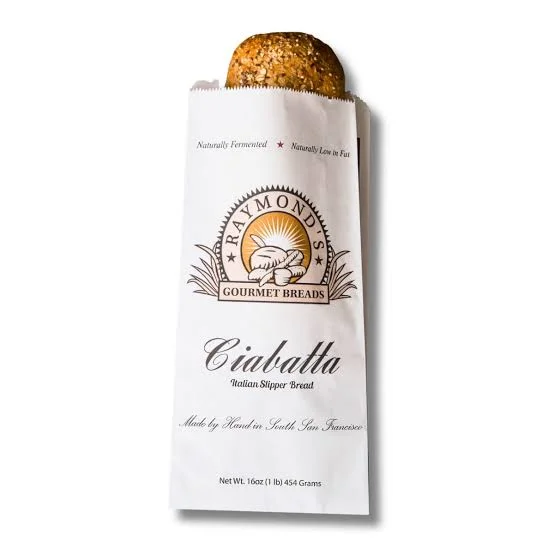
Packaging plays an important role in the bakery industry. Fresh bread needs packaging that supports convenient handling, protects it during transportation, and presents it attractively to customers. Whether a business operates a neighborhood bakery, a supermarket bakery section, or a large commercial production facility, choosing suitable packaging can improve daily operations and customer satisfaction.
Modern consumers appreciate packaging that combines functionality with a clean, professional appearance. Bakeries can use thoughtful packaging designs to communicate their brand identity, display product information, and create a consistent experience across different bread varieties. The right materials can also help businesses manage storage, handling, and distribution more efficiently.
Custom Bread Paper Bags offer bakeries an opportunity to combine practical packaging with personalized branding. Businesses can choose different sizes, paper types, printing styles, and designs according to their products and customer needs. From artisan sourdough loaves to everyday sandwich bread, appropriately selected bags can support an attractive and convenient presentation.
1. What Are Custom Bread Paper Bags?
Custom bread paper bags are paper-based packaging products designed for bakeries, bread manufacturers, cafes, and food retailers. They can be produced in different dimensions and styles to accommodate various bread shapes and sizes.
Businesses can customize these bags with logos, brand colors, product names, illustrations, and other printed details. This flexibility makes it easier to maintain a consistent visual identity across multiple products.
Paper bags can also be selected according to specific functional requirements. Some designs prioritize ventilation, while others include windows that allow customers to see the bread inside. The most appropriate design depends on the type of bread, its moisture content, expected shelf life, and storage conditions.
2. Benefits of Paper Bags for Bread Packaging
Paper bags offer several practical benefits for bakery businesses. They are lightweight, convenient to handle, and available in different sizes to suit individual portions or larger loaves. Their simple construction can also make packing and serving more efficient.
Another advantage is presentation. Well-designed packaging can make products look organized and professional while helping customers recognize a bakery’s identity. Printed bags can include essential information, such as the business name, product variety, contact details, and storage recommendations.
Paper bags may also allow more moisture exchange than airtight plastic packaging, depending on the paper construction and bag design. This can be useful for certain crusty breads, although it does not guarantee freshness in every situation. Bakeries should test their packaging with their actual products to determine which format provides the desired balance of crust texture and moisture retention.
3. Choosing the Right Grease-Resistant Paper
The material used in food packaging affects performance, appearance, and usability. Some bakery products contain butter, oils, cheese, or other ingredients that may leave greasy marks on ordinary paper. Choosing a material with suitable barrier properties can help address these challenges.
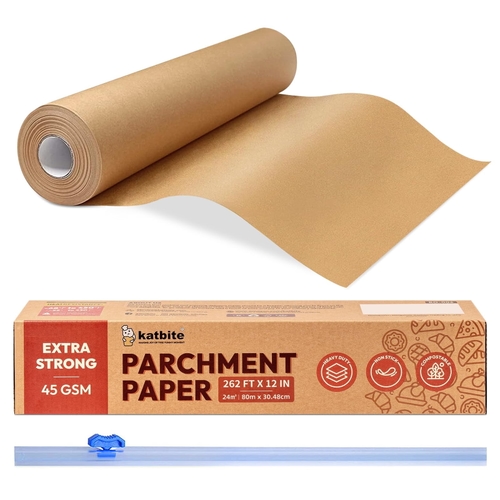
greaseproof paper is designed to resist the penetration of fats and oils, making it useful for selected bakery applications. It can be used as an inner wrap, a food separator, or a liner, depending on its specifications. However, it is not automatically necessary for every bread bag.
For ordinary loaves, a suitable kraft paper bag may be sufficient. For oily pastries, filled breads, or other products with higher fat content, a grease-resistant inner layer may be more appropriate. Businesses should check the material’s food-contact suitability and test it under realistic storage and handling conditions.
4. Custom Printing for Bakery Branding
Packaging can become a useful part of a bakery’s marketing strategy. A printed bag gives customers a visible reminder of the business and can help products stand out in retail displays, takeaway orders, and local markets.
Effective designs do not need to be complicated. A recognizable logo, clear typography, and consistent brand colors can create a professional appearance. Bakeries may also use different designs for artisan bread, whole-grain loaves, specialty products, and seasonal collections.
When planning a printed design, consider the available printing area, paper color, ink compatibility, and order quantity. Ask the supplier to confirm that printing materials are suitable for the intended food-contact application, particularly when the printed surface may touch food.
5. Different Types of Bread Paper Bags
Different breads have different packaging requirements. Choosing the right bag can improve convenience while helping maintain the product’s intended characteristics.
Common options include:
- Kraft paper bags: Suitable for many standard bread products and everyday bakery sales.
- Window paper bags: Include a transparent section for product visibility.
- Flat paper bags: Useful for sliced bread, rolls, and smaller bakery items.
- Gusseted bags: Offer additional space for wider or bulkier products.
- Printed bakery bags: Feature personalized branding and product information.
- Paper bags with inner liners: Provide an additional layer when specific product conditions require it.
The best choice depends on the bread’s size, crust, moisture content, and expected time between packaging and consumption. A bag that works well for crusty artisan bread may not provide the same results for soft, sliced bread.
6. Sustainability and Responsible Packaging
Many bakeries are exploring paper packaging as part of their efforts to reduce unnecessary plastic use. However, the environmental performance of a bag depends on more than its primary material.
Paper sourcing, manufacturing, printing, coatings, and disposal options all influence its overall impact. A paper bag with specialized barriers or plastic windows may have different recycling requirements from an uncoated bag.
Businesses should ask suppliers about recycled content, responsible sourcing, relevant certifications, and local disposal guidance. Environmental claims should be supported by appropriate documentation.
Reducing material waste can also help businesses manage costs. Selecting suitable bag dimensions, ordering realistic quantities, and maintaining proper inventory can reduce unused packaging and support more efficient operations.
7. How to Select the Right Bag Size and Material
Selecting packaging starts with measuring the products that will be packed. Consider the length, width, height, and shape of each loaf, along with how easily staff need to insert and remove the bread.
Paper weight and construction also matter. Greaseproof Paper Wholesale may be suitable for small rolls, while larger loaves may require a stronger bag. If the bread is warm when packed, the bag should provide suitable ventilation to help manage condensation and avoid unwanted changes in texture.
Before placing a large order, request samples from potential suppliers. Test the bags with different bread varieties and assess their strength, appearance, print quality, and performance during transportation.
It is also worth comparing minimum order quantities, delivery times, storage needs, and printing charges. These details help businesses estimate the overall cost of packaging and choose an option that fits their production volume.
8. Finding a Reliable Bread Bag Supplier
A reliable supplier can help a bakery maintain consistent packaging quality and avoid unnecessary production delays. Before ordering, review the supplier’s available paper types, customization options, production capacity, and experience with food packaging.
Ask for detailed specifications covering bag dimensions, paper weight, printing methods, barrier properties, and food-contact compliance. If the packaging includes windows, coatings, or inner liners, confirm how these components affect its intended use and disposal.
Requesting a printed sample or proof is especially helpful when brand colors and logo placement are important. A written quotation should clearly explain the price, minimum order quantity, setup charges, delivery costs, and estimated production time.
Building a good working relationship with a supplier can make it easier to adjust packaging designs as the business grows. Regular quality checks can also help ensure that future orders meet the same standards as the original sample.
Conclusion:
Custom bread paper bags can help bakeries combine practical product packaging with distinctive branding and a professional customer experience. By comparing bag styles, paper strength, ventilation, printing quality, and grease resistance where needed, businesses can select packaging that suits their bread products and operating requirements. Working with a reliable supplier and verifying relevant food-contact requirements can support consistent quality while helping bakeries build a recognizable brand.