Now Reading: Roof Repair Care: Essential Tips to Keep Your Roof Strong and Leak-Free
-
01
Roof Repair Care: Essential Tips to Keep Your Roof Strong and Leak-Free
Roof Repair Care: Essential Tips to Keep Your Roof Strong and Leak-Free

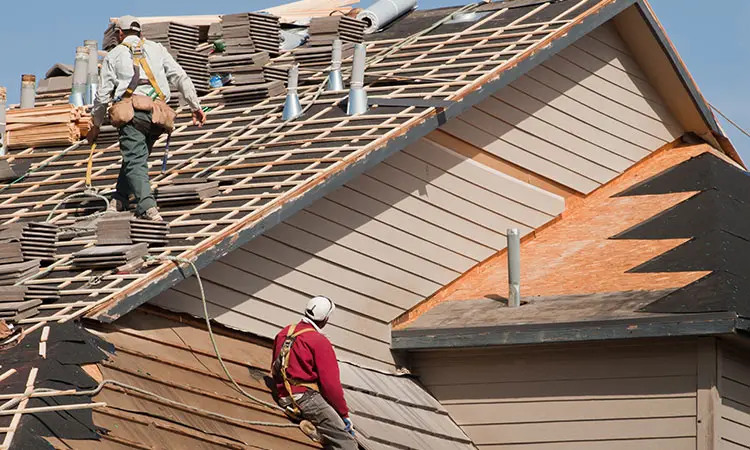
Your roof protects your home from rain, wind, sunlight, and changing weather conditions.
However, without proper care, even a durable roofing system can develop leaks, damaged shingles, and other costly problems. Roof repair care involves identifying early signs of damage, maintaining roofing materials, and arranging professional repairs before minor issues become major concerns.
Whether you own a residential property or manage a commercial building, taking care of your roof can help extend its lifespan, improve protection, and reduce unexpected maintenance expenses.
In this guide, you’ll learn practical roof care tips, common roofing problems, and the best ways to maintain a reliable roofing system throughout the year.
Why Is Roof Repair Care Important?
Regular roof care helps maintain the condition of your property and reduces the likelihood of unexpected damage. Small roofing problems can develop gradually, making them difficult to notice until water begins entering your home.
Here are some important reasons to prioritize roof maintenance:
- Prevent water leaks: Identifying damaged shingles, loose flashing, and deteriorated seals can help prevent moisture from entering your property.
- Extend roof lifespan: Timely maintenance and appropriate repairs can help preserve roofing materials for longer.
- Reduce repair expenses: Addressing minor damage early may prevent the need for more extensive repairs.
- Protect your home’s structure: Keeping moisture away from wooden supports, insulation, and ceilings helps maintain the property’s condition.
- Improve indoor comfort: Proper roof maintenance supports effective insulation and ventilation, helping maintain comfortable indoor temperatures.
A consistent maintenance routine can make a significant difference in the long-term performance of your roof.
6 Essential Roof Repair Care Tips for Homeowners
Maintaining your roof does not always require major work. Simple preventive measures and timely professional inspections can help you identify problems before they become more serious.
1. Inspect Your Roof for Visible Damage
One of the most effective roof care practices is checking for visible signs of deterioration. Look for missing shingles, cracked tiles, damaged roof edges, or loose materials from a safe location on the ground.
After severe weather, pay attention to fallen branches, debris, and other signs of possible damage.
If you notice anything unusual, arrange a professional inspection rather than climbing onto the roof yourself.
2. Keep Gutters and Downspouts Clean
Gutters play an important role in directing rainwater away from your roof and property. When leaves, dirt, and other debris block the drainage system, water may overflow or collect near vulnerable roof edges.
Clean gutters periodically and check that downspouts allow water to drain properly. If gutters are damaged, loose, or poorly positioned, consider having them repaired.
Proper drainage helps reduce moisture-related roofing problems.
3. Address Small Leaks Immediately
A minor roof leak may appear harmless, but water can travel through roofing layers and damage insulation, ceilings, and wooden components.
Look for water stains, damp patches, peeling paint, or musty odors inside your property. These signs may indicate a roofing or moisture problem that requires further investigation.
Professional roof repair can help locate the source of the leak and determine whether damaged shingles, flashing, roof membranes, or other components need attention.
4. Check Flashing and Roof Seals
Flashing protects vulnerable areas around chimneys, skylights, vents, and roof joints. When flashing becomes loose, corroded, or cracked, water can enter through small gaps.
During a professional roof inspection, these areas should receive particular attention because leaks often develop around roof penetrations and joints.
Use suitable repair materials and methods recommended for your roofing system instead of applying an unsuitable sealant that may fail to solve the underlying problem.
5. Trim Overhanging Tree Branches
Trees provide shade and improve the appearance of your property, but branches hanging over the roof can create maintenance challenges.
During storms, branches may break and damage shingles, tiles, gutters, or roof structures. Leaves and twigs can also accumulate in gutters and interfere with drainage.
Trim overhanging branches where appropriate, using a qualified professional for hazardous or difficult tree work.
6. Schedule Professional Roof Maintenance
Some roofing problems are difficult to identify without specialist knowledge. A professional can examine roofing materials, flashing, drainage, and accessible interior areas to identify signs of deterioration.
The appropriate inspection frequency depends on the roof’s age, material, climate, and maintenance history. Additional inspections may be advisable after severe weather or when you notice warning signs.
Regular professional attention can help you plan necessary repairs and avoid overlooking hidden damage.
Common Roofing Problems That Require Attention
Understanding common roofing issues can help you recognize when maintenance or repair may be necessary.
Roof leaks: Damaged roofing materials, flashing defects, or drainage problems can allow water to enter the building.
Cracked or missing shingles: Weather exposure and aging can weaken shingles, leaving underlying layers vulnerable.
Damaged roof tiles: Broken or displaced tiles can expose the waterproofing layer to moisture.
Flat roof deterioration: Punctures, damaged seams, and standing water can contribute to leaks in flat roofing systems.
Blocked gutters: Poor drainage can cause water to overflow and contribute to damage around roof edges.
Moisture in the attic: Damp insulation, staining, and persistent musty odors may indicate a leak or ventilation issue.
When these problems appear, the correct repair depends on the cause and the overall condition of the roof.
Seasonal Roof Care: What Should You Check?
Different weather conditions can create different roofing challenges. Adjusting your maintenance routine throughout the year can help keep your roof in good condition.
Spring Roof Maintenance
Check for damage left by winter weather, inspect accessible gutters, and look for loose roofing materials. Address any leaks or drainage problems before periods of heavier rainfall.
Summer Roof Maintenance
Strong sunlight and high temperatures can contribute to the deterioration of some roofing materials. Check for visible signs of aging and ensure that roof ventilation is functioning appropriately.
Autumn Roof Maintenance
Falling leaves can block gutters and drainage outlets. Remove accumulated debris and arrange necessary maintenance before severe seasonal weather arrives.
Winter Roof Maintenance
Rain, snow, freezing temperatures, and strong winds can place additional stress on some roofing systems. Monitor your property for leaks and arrange professional assistance if you suspect storm damage.
Never attempt to climb onto an icy, wet, or unstable roof to carry out seasonal maintenance.
When Should You Call a Roof Repair Professional?
Routine maintenance can help prevent many problems, but certain warning signs require professional attention.
Contact a qualified roofing contractor if you notice:
- Water entering your property during rainfall.
- Missing shingles or multiple cracked tiles.
- Sagging roof sections or visible structural changes.
- Loose flashing around chimneys or vents.
- Repeated leaks after previous repairs.
- Significant storm damage or fallen branches.
- Persistent moisture affecting ceilings or attic spaces.
A sagging roof or major structural damage requires urgent assessment. If water reaches electrical fixtures, avoid the affected area and seek appropriate professional help.
How to Keep Roof Repair Costs Under Control
Roof maintenance is often easier to manage when you identify problems early and plan repairs appropriately.
Follow these practical recommendations:
- Keep a record of previous repairs and inspections.
- Address small defects before they spread.
- Compare written quotations from qualified contractors.
- Ask which materials and repair methods will be used.
- Confirm the scope of work and any applicable warranty.
- Investigate recurring leaks instead of repeatedly paying for temporary fixes.
The cheapest quotation is not always the best option. Consider the quality of the proposed work, the contractor’s experience, and whether the repair addresses the underlying cause.
Roof Repair Care vs. Roof Replacement
Not every roofing problem requires a complete replacement. If damage is limited to a small area and the rest of the roof remains structurally sound, targeted roof repairs may be sufficient.
However, extensive deterioration, widespread leaks, significant structural damage, or aging roofing materials may make replacement a more practical long-term option.
A professional assessment can help you compare the expected costs and benefits of repairing your existing roof against installing a new one.
Frequently Asked Questions
How often should I perform roof maintenance?
The ideal schedule depends on your roof’s age, materials, local weather, and condition. Check for visible damage periodically, inspect after severe weather, and arrange professional inspections when necessary.
Can regular roof care prevent leaks?
Regular maintenance can help identify vulnerable areas and reduce the risk of leaks. However, it cannot eliminate every risk, especially during severe weather or when materials deteriorate unexpectedly.
What is the first thing to do when a roof starts leaking?
Keep people away from unsafe areas, protect belongings if it is safe to do so, and contact a qualified roofing professional. Avoid touching wet electrical fixtures or climbing onto a damaged roof.
Is roof repair care suitable for older roofs?
Yes. Older roofs can benefit from inspections and maintenance, although the appropriate approach depends on their overall condition. If deterioration is widespread, a contractor may recommend comparing repair and replacement options.
Does roof maintenance save money?
It can help reduce the likelihood of expensive damage by identifying problems early. The actual savings depend on the roof’s condition, the repairs required, and the quality of ongoing maintenance.
Final Thoughts
Roof repair care is an important part of protecting your property, maintaining structural integrity, and reducing unexpected maintenance expenses. By inspecting visible roofing materials, keeping drainage systems clear, addressing leaks promptly, and arranging professional maintenance, you can help your roof remain dependable for years to come.
Do not wait until water stains appear on your ceiling or roofing materials begin to fail. A proactive approach to roof care can help you identify problems earlier and make better decisions about repairs.
Take care of your roof today to help protect your home tomorrow.