

Now Reading: Construction Site Development: Building the Foundation for Successful Projects
-
01
Construction Site Development: Building the Foundation for Successful Projects

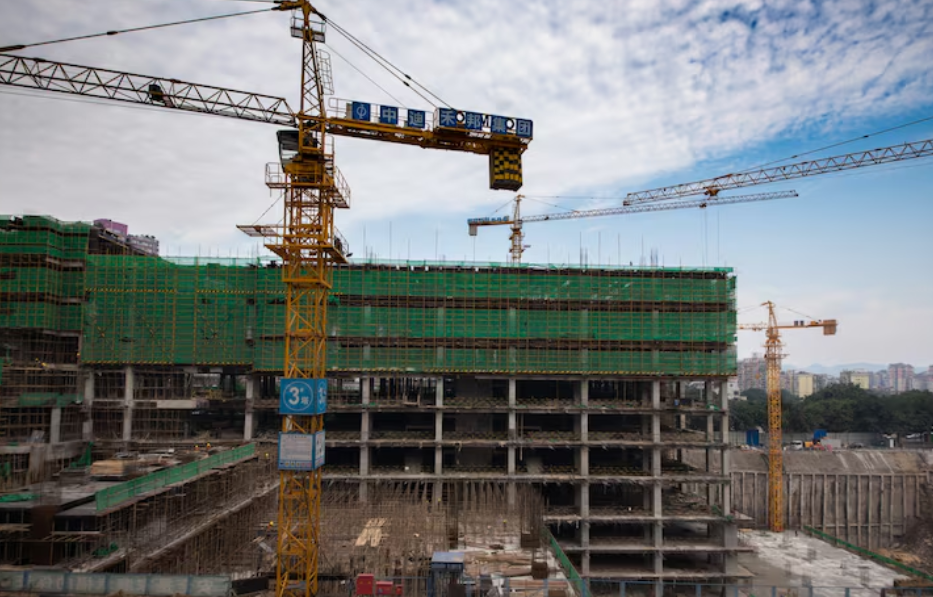
Every successful construction project begins long before the first structure rises from the ground. The process starts with careful planning, preparation, and execution of essential groundwork activities that transform raw land into a ready-to-build location. This process, known as Construction site development, plays a critical role in ensuring safety, efficiency, and long-term project success.
Whether the project involves residential communities, commercial buildings, industrial facilities, or public infrastructure, proper site preparation creates the foundation upon which all future construction activities depend. Without effective planning and execution, projects can face delays, budget overruns, safety hazards, and environmental challenges.
Understanding Construction Site Development
Construction site development refers to the series of activities required to prepare a piece of land for construction. These activities include surveying, grading, excavation, utility installation, drainage planning, environmental management, and infrastructure preparation.
The primary goal is to create a stable and functional site that supports the design and structural requirements of the planned development. Site development is often the first major phase of any construction project and directly influences the efficiency of subsequent construction activities.
Developers, engineers, architects, and contractors collaborate throughout this phase to ensure that the site meets regulatory requirements and project specifications.
Initial Planning and Site Assessment
Before any physical work begins, a comprehensive assessment of the property is conducted. This stage involves gathering information about the land’s characteristics, including soil conditions, topography, existing structures, vegetation, and environmental factors.
Surveyors create detailed maps that define property boundaries and identify elevation changes. Geotechnical engineers evaluate soil stability and determine whether additional preparation is needed to support future structures.
During this planning stage, project teams identify potential challenges and develop strategies to address them before construction begins. Proper planning helps minimize risks and improve project timelines.
Land Clearing and Preparation
One of the first physical steps in Site development construction is land clearing. This process removes obstacles that could interfere with building activities, such as trees, brush, rocks, debris, and old structures.
Land clearing must be performed carefully to maintain environmental compliance and protect surrounding areas. Contractors often implement erosion control measures before clearing begins to prevent soil displacement and water contamination.
After clearing is complete, the site becomes accessible for heavy equipment and additional development activities.
Excavation and Earthwork
Excavation is a critical component of site development. It involves removing soil and rock to create the necessary elevations and foundations for future structures.
Earthwork activities may include:
- Cutting high areas to achieve desired grades
- Filling low areas to create level surfaces
- Excavating foundations and utility trenches
- Constructing retaining structures
- Preparing roadways and access routes
Accurate excavation ensures that buildings, roads, and infrastructure are constructed on stable ground. Modern equipment and advanced surveying technology help contractors achieve precise grading and excavation results.
Grading for Stability and Drainage
Proper grading is one of the most important aspects of Construction site development. Grading shapes the land to direct water away from structures and prevent drainage issues.
Poor drainage can lead to flooding, erosion, foundation damage, and costly repairs. As a result, engineers carefully design grading plans that account for rainfall, runoff patterns, and local environmental conditions.
Well-executed grading improves site functionality while supporting long-term structural stability.
Utility Installation
A construction site must have access to essential utilities before building construction can proceed efficiently. Utility installation typically includes water lines, sewer systems, electrical infrastructure, gas lines, telecommunications networks, and stormwater systems.
During Site development construction, utility contractors coordinate with engineers and local authorities to ensure compliance with applicable codes and regulations.
Installing utilities early in the development process reduces disruptions during later construction phases and provides the necessary infrastructure for project completion.
Stormwater Management Systems
Managing stormwater effectively is essential for protecting both the project site and surrounding properties. Construction activities can significantly alter natural drainage patterns, making stormwater planning a priority.
Common stormwater management solutions include:
- Retention ponds
- Detention basins
- Drainage channels
- Underground stormwater systems
- Permeable surfaces
These systems help control runoff, reduce flooding risks, and support environmental sustainability objectives.
Road and Access Development
Construction projects require safe and reliable access routes for workers, equipment, and material deliveries. Site development often includes the construction of temporary or permanent roads.
Access roads improve logistics, reduce transportation delays, and support efficient project operations. Proper road construction also helps minimize soil disturbance and site damage caused by heavy machinery.
As development progresses, road systems may expand to accommodate future occupants and traffic demands.
Environmental Considerations
Modern construction projects increasingly emphasize environmental responsibility. Environmental planning is integrated into every phase of Construction site development to reduce ecological impacts.
Developers may implement strategies such as:
- Preserving natural habitats
- Protecting wetlands
- Controlling erosion
- Managing sediment runoff
- Reducing dust emissions
- Recycling construction materials
These measures help projects meet environmental regulations while promoting sustainable development practices.
Safety During Site Development
Safety remains a top priority throughout all stages of development. Construction sites contain numerous hazards, including heavy equipment, excavation trenches, unstable ground, and utility installations.
Contractors establish safety protocols that include:
- Employee training programs
- Protective equipment requirements
- Equipment inspections
- Traffic management plans
- Emergency response procedures
- Hazard communication systems
A strong safety culture protects workers and contributes to successful project outcomes.
Technology in Modern Site Development
Advancements in technology have transformed the way site development projects are planned and executed. Modern tools improve accuracy, efficiency, and decision-making throughout the development process.
Examples of commonly used technologies include:
- GPS-guided equipment
- Drone surveying
- Geographic Information Systems (GIS)
- Building Information Modeling (BIM)
- 3D site mapping
- Digital project management platforms
These technologies help contractors identify potential issues early and optimize project performance.
Challenges in Site Development
Even with thorough planning, developers often encounter challenges during Site development construction. Common obstacles include unfavorable weather, unexpected soil conditions, permitting delays, utility conflicts, and environmental restrictions.
Successfully managing these challenges requires flexibility, effective communication, and proactive problem-solving. Experienced project teams continuously monitor site conditions and adjust plans as necessary to maintain progress.
Risk management strategies are essential for minimizing disruptions and protecting project budgets.
Long-Term Benefits of Proper Site Development
Investing in high-quality site development provides significant long-term advantages. Proper preparation improves structural integrity, enhances drainage performance, reduces maintenance costs, and supports efficient construction operations.
Well-developed sites also contribute to increased property value and improved occupant satisfaction. By addressing potential issues early, developers can avoid costly repairs and operational challenges in the future.
The benefits of effective planning and execution extend far beyond the construction phase and continue throughout the life of the completed project.
Conclusion
Successful construction projects depend on a strong foundation, and that foundation begins with comprehensive Construction site development. From surveying and grading to utility installation and environmental management, every step plays an essential role in preparing land for future construction.
Effective Site development construction ensures that projects remain safe, efficient, and compliant while supporting long-term performance and sustainability. By investing time, expertise, and resources into proper site preparation, developers create the conditions necessary for successful project completion and lasting value.