Now Reading: Can I Redeem a Gift Card for Naira? Here’s the Answer
-
01
Can I Redeem a Gift Card for Naira? Here’s the Answer

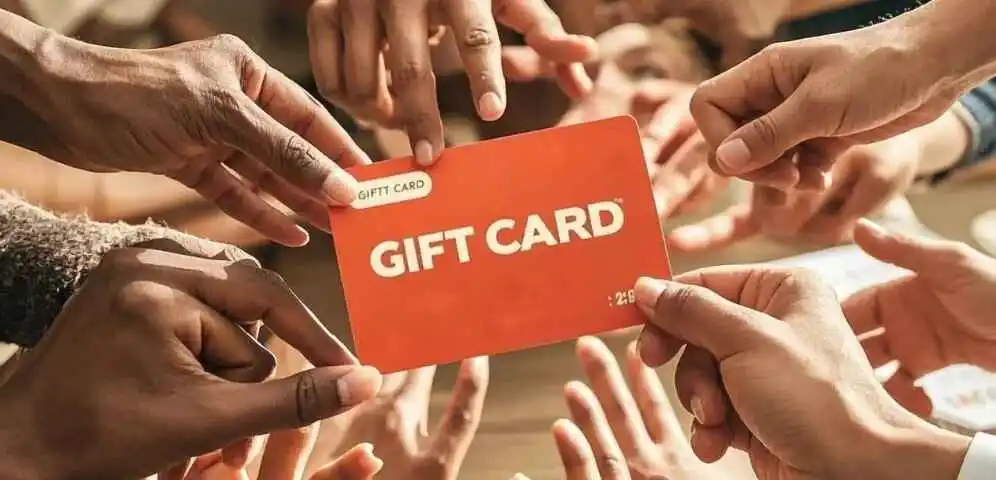
Gift cards offer a convenient way to make purchases, but a gift card balance may not always match the currency needed for everyday spending. In Nigeria, this often raises an important question: can a gift card be redeemed for Naira? The answer depends on the card type, issuing brand, country restrictions, and redemption method. Some gift cards can only be used at specific stores, while others can be exchanged through supported gift card platforms. Understanding the difference between direct redemption, gift card exchange, and cash conversion can help prevent confusion and reduce the risk of rejected transactions or scams.
What Does It Mean to Redeem a Gift Card?
To redeem a gift card means using the card’s value to purchase eligible products or services through the retailer, platform, or payment system connected to the card. Redemption normally requires entering a gift card code, scanning a digital card, or presenting a physical card at an approved location.
A gift card issued in another currency does not automatically become Naira after redemption. For example, a USD gift card may remain tied to the issuing brand and its supported stores. The balance can generally be spent according to the card’s terms rather than withdrawn directly as Nigerian currency.
Can a Gift Card Be Redeemed for Naira?
A gift card usually cannot be converted directly into Naira through the original retailer unless the issuer specifically supports cash redemption. Most retail gift cards are designed for purchases rather than bank withdrawals.
However, a gift card may have exchange value outside the original retailer. Gift card exchange services can accept eligible cards and provide payment in Naira after verification. The amount received depends on several factors, including the card brand, currency, denomination, demand, exchange rate, and current market rate.
Therefore, the answer is not simply yes or no. Direct Naira redemption depends on the issuer, while gift card exchange can provide another route for eligible cards.
Which Gift Cards Can Be Exchanged for Naira?
Popular international gift cards may have an established resale or exchange market in Nigeria. Common examples include cards associated with major retailers, entertainment platforms, gaming services, and digital marketplaces.
Examples can include:
- Amazon gift cards
- Apple gift cards
- Google Play gift cards
- Steam gift cards
- Xbox gift cards
- PlayStation gift cards
- Sephora gift cards
- Walmart gift cards
Eligibility can vary significantly between platforms. A card accepted by one exchange service may not be accepted by another. Card region also matters because a US-issued card can have different restrictions from a UK, Canadian, or European version of the same brand.
How Does Gift Card Exchange for Naira Work?
The process generally involves several straightforward steps. First, the gift card type, currency, and denomination are identified. Next, the card details are submitted through a legitimate exchange platform that supports the specific card.
The platform may request images of a physical card or information from a digital card. Verification is then completed to confirm that the card is genuine, valid, and has not already been redeemed.
After successful verification, a conversion rate is applied. The resulting value is calculated in Naira, and payment may be sent through an available local payment method, such as a Nigerian bank account.
Processing times and requirements vary by platform. Some transactions may be completed quickly, while cards requiring additional verification can take longer.
What Determines the Naira Value of a Gift Card?
The value of a gift card in Naira is not based only on the original face value. Several factors influence the final exchange amount.
Card Type: Different brands have different levels of demand in the gift card market. A highly requested card may receive a stronger exchange rate.
Currency: A USD, GBP, EUR, or CAD gift card can have different market values after conversion into Naira.
Denomination: The card amount can influence the rate offered by an exchange platform.
Demand: Market demand changes over time. Popular cards may have better rates during periods of strong demand.
Card Condition: Physical cards with clear details and intact codes may be easier to verify than damaged cards.
Market Conditions: Currency fluctuations and changes in the international gift card market can affect the Naira amount received.
Checking the current rate before completing a transaction is therefore important.
Can Every Gift Card Be Converted to Cash?
No. Gift cards come with specific terms and conditions, and many cannot legally or technically be converted directly into cash. Certain cards are restricted to purchases within a particular country, account, retailer, or service.
Some cards may also have limitations on resale or transfer. Promotional cards, partially redeemed cards, region-locked cards, and expired cards can present additional restrictions.
Before attempting to redeem gift card value for Naira, checking the card’s terms can clarify whether cash conversion or transfer is permitted.
What About Unused and Partially Used Gift Cards?
An unused gift card generally has more exchange potential because the full balance remains available. A partially used card may also be eligible, but the remaining balance must be verified before an exchange rate can be calculated.
For digital gift cards, the code must remain valid and unused. Sharing a code before verification or payment can create a security risk because gift card codes can often be redeemed immediately.
Physical cards should also be stored securely until the transaction has been completed.
How to Avoid Gift Card Redemption Scams
Gift card transactions require caution because fraudulent offers are common. An unusually high exchange rate can be a warning sign, especially when combined with pressure to send the card code immediately.
A legitimate process should provide clear information about rates, verification requirements, payment methods, and transaction conditions. Requests for unnecessary passwords, banking credentials, or account access should be treated as suspicious.
Another important rule is never to share a gift card code with an unknown person simply because a promise of payment has been made. Once a code is exposed, the balance can potentially be used before payment is received.
Is Redeeming a Gift Card the Same as Selling It?
The terms are related but have different meanings. Redeeming a gift card normally means using the balance to purchase goods or services from the issuing retailer. Selling or exchanging a gift card means transferring the card’s value to another party in return for money.
For example, a retailer may allow a gift card to be redeemed for products but may not offer a Naira cash withdrawal. A separate gift card exchange service may instead accept the card and provide a Naira payment after verification.
Understanding this difference helps set realistic expectations when looking for a way to convert an international gift card into local currency.
Important Factors Before a Gift Card Exchange
Several checks can make the process safer and more predictable:
- Confirm the exact gift card brand and issuing country.
- Check whether the card is still valid.
- Confirm the remaining balance.
- Review the current exchange rate.
- Check applicable fees or deductions.
- Verify payment and withdrawal methods.
- Read the platform’s transaction terms.
- Avoid sharing codes with unverified individuals.
- Keep transaction records until payment is confirmed.
These simple checks can reduce errors and help identify unsuitable offers before a transaction begins.
Why Gift Card Currency Matters
Currency is an important part of gift card value. A gift card denominated in USD does not necessarily have a fixed Naira value because the exchange market can change.
For example, a $100 gift card may have a different Naira exchange value from one period to another. The final amount can also differ depending on the card brand and market demand. This makes current rate checking more useful than relying on an old conversion figure.
The original currency, card category, and redemption restrictions should always be considered together.
GC Buying Can Add Practical Value
GC Buying provides value by making gift cards easier to understand, compare, and use for legitimate purchasing needs. Gift cards can serve as convenient alternatives to direct payments, especially for online shopping, entertainment, gaming, subscriptions, and digital services. Understanding card type, currency, validity, regional restrictions, and redemption conditions helps support better purchasing decisions. For Nigerian consumers, knowledge about international gift cards can also clarify the difference between spending a card balance and exchanging that balance for Naira. Careful research remains important before any purchase or exchange, particularly when gift card terms, rates, and availability can vary.