Now Reading: How Real Estate Developers in UAE Are Shaping the Future of Modern Living
-
01
How Real Estate Developers in UAE Are Shaping the Future of Modern Living

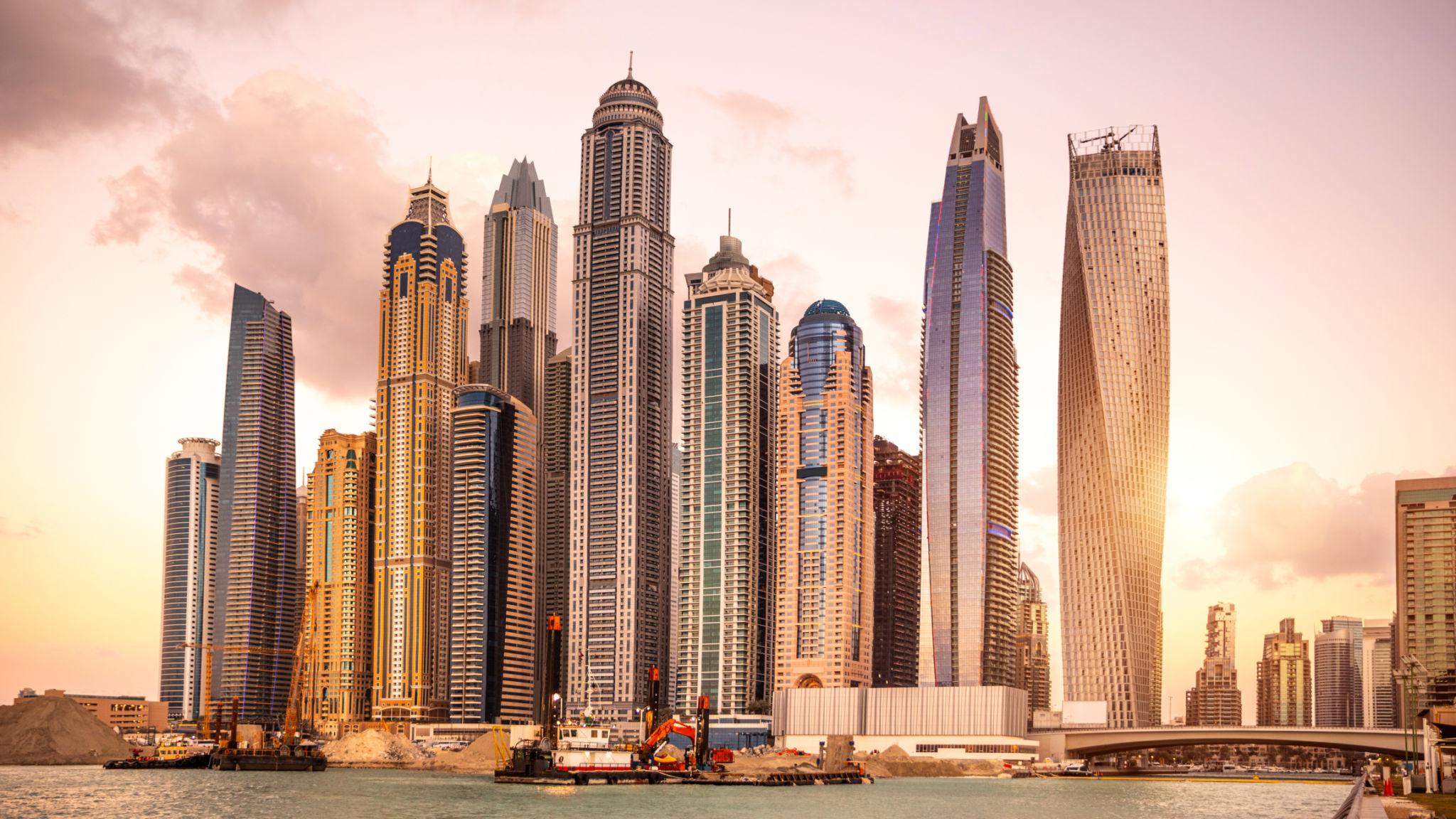
The UAE has developed one of the most dynamic property markets in the world, supported by ambitious urban planning, international investment, modern infrastructure, and a constantly evolving approach to residential development. From high-rise communities to boutique residences and master-planned neighborhoods, the market offers a wide range of choices for buyers and investors.
Behind this transformation are real estate developers in UAE who are responding to changing expectations around design, technology, sustainability, location, and lifestyle. Their role now extends far beyond constructing buildings. Modern developers are increasingly responsible for creating environments that remain desirable, functional, and valuable long after completion.
The Changing Role of Property Development in the UAE
Property development in the UAE has evolved considerably. Earlier phases of growth were often defined by architectural scale and landmark projects. Today, buyers look deeper. Floor plans, finishing standards, community facilities, accessibility, energy efficiency, and long-term maintenance can all influence a purchasing decision.
This has encouraged developers to think about the complete resident experience. Successful projects must work not only as attractive properties on launch day but also as practical places to live for years to come. That shift is helping create a more mature and competitive real estate sector.
Why the UAE Continues to Attract Property Buyers
The UAE appeals to a diverse audience that includes residents, international investors, entrepreneurs, professionals, and families. Modern infrastructure and connectivity support this demand, while cities such as Dubai and Abu Dhabi have established strong international profiles.
Property buyers can also choose between established neighborhoods and developing communities. This diversity creates opportunities across different budgets and investment strategies. For developers, however, it also creates competition. A project needs a clear identity and genuine value proposition to stand out among the many residential options entering the market.
Quality Is Becoming a Bigger Buying Factor
As buyers become more knowledgeable, construction and finishing quality are receiving greater attention. Attractive renders may generate initial interest, but informed purchasers increasingly examine materials, layouts, storage, natural lighting, shared areas, and practical details before committing.
This changing behavior is encouraging builders and developers in UAE to place greater emphasis on execution. Quality can influence more than the initial sale. Well-finished properties may remain attractive to future tenants and buyers, supporting the long-term reputation of both the development and the company responsible for it.
From Large Towers to Boutique Developments
The UAE is famous for large towers and extensive master communities, but smaller boutique developments are becoming an important part of the residential landscape. Some buyers prefer fewer apartments, lower-density surroundings, greater privacy, and a more personal sense of community.
Boutique projects can also allow developers to concentrate more closely on individual layouts, shared facilities, and architectural details. They do not replace high-rise developments, which continue to serve an important market, but they provide another option for buyers who value exclusivity and a more intimate residential environment.
Technology Is Changing What Buyers Expect
Smart technology is moving from an optional luxury toward an increasingly expected part of contemporary residential design. Digital access systems, intelligent climate controls, automated lighting, security technology, and connected home features can make everyday living more convenient.
For real estate developers in UAE, technology also creates an opportunity to future-proof new properties. The objective is not simply to install more devices. The most effective smart features are those that improve comfort, security, energy management, or usability without making the home unnecessarily complicated.
Amenities Are Becoming More Lifestyle Focused
Residential amenities have changed alongside buyer expectations. A swimming pool or gym may still be important, but buyers increasingly evaluate how well the complete development supports their daily routine.
Wellness spaces, children’s areas, landscaped surroundings, convenient parking, security, concierge facilities, and thoughtfully designed communal areas can influence how residents experience a property. Developers therefore need to consider the relationship between the apartment and the wider building. When amenities have a genuine purpose, they can strengthen both resident satisfaction and the overall appeal of the development.
Location Is About More Than a Famous Address
A prestigious address can add value, but modern buyers increasingly evaluate connectivity and future development as carefully as the name of the neighborhood. Travel time to employment centers, schools, healthcare, leisure destinations, airports, and major roads can directly affect residential demand.
Emerging locations can therefore compete with established districts when they combine accessibility with improving infrastructure. Experienced builders and developers in UAE often evaluate where demand may develop next rather than concentrating exclusively on areas that have already reached maturity.
Sustainability Is Influencing New Residential Design
Environmental considerations are becoming increasingly relevant to property development. Energy-efficient lighting, responsible material selection, better insulation, water management, and intelligent cooling systems can help reduce resource consumption while improving everyday efficiency.
Sustainable design can also support the long-term usability of a building. As buyers become more conscious of operating costs and environmental performance, projects designed around efficiency may become increasingly attractive. Developers who incorporate these considerations from the planning stage are better positioned to respond to future expectations rather than making changes after construction.
What Investors Should Consider When Comparing Developers
Choosing a property involves more than comparing prices. The developer behind the project can significantly influence construction quality, communication, delivery, and the overall ownership experience. Buyers should therefore consider the complete proposition rather than focusing exclusively on promotional offers.
Project location, design practicality, construction progress, payment structure, development scale, surrounding infrastructure, and intended resident profile all deserve attention. A well-researched decision can help investors distinguish between a project that simply looks attractive and one that has stronger foundations for sustainable demand.
Developers Are Building for a More Informed Market
The next stage of the UAE property sector is likely to be increasingly buyer-driven. Digital access to market information allows investors to compare projects, communities, prices, amenities, and developers more easily than before.
This transparency raises expectations. Developers need to communicate clearly and create properties that can compete on tangible factors such as design, construction standards, functionality, and location. As the market becomes more sophisticated, reputation will increasingly depend on what is delivered rather than what is promised during the initial sales campaign.
Why Diversity Among Developers Benefits the UAE Market
One of the strengths of the UAE property sector is the variety of companies participating in it. Large developers can deliver major master communities and infrastructure-led destinations, while boutique companies can concentrate on smaller projects with distinctive concepts.
This diversity gives buyers more choice and encourages competition around architecture, amenities, payment structures, technology, and finishing quality. It also prevents the market from following a single development model. Different buyers have different priorities, and a healthy property sector needs enough variety to serve those expectations effectively.
The Future of Real Estate Development in the UAE
The future of development in the Emirates will likely be shaped by a combination of quality, intelligent technology, sustainability, connectivity, and lifestyle planning. Buyers will continue expecting more from the properties they purchase, particularly as competition between new developments increases.
For real estate developers in UAE, this creates both opportunity and responsibility. Companies that understand changing lifestyles and deliver practical long-term value can contribute meaningfully to the country’s next stage of urban growth. For buyers, stronger competition can mean better choices and increasingly refined residential experiences.
Conclusion
The UAE’s real estate story is no longer defined simply by how quickly or how high the country can build. The focus is increasingly shifting toward how well developments serve the people who live in them and how effectively they retain their appeal over time.
As builders and developers in UAE continue adapting to more informed buyers, the strongest projects will likely be those that balance location, design, construction quality, technology, and everyday functionality. This evolution is helping the UAE move from a market known primarily for ambitious construction toward one recognized for increasingly sophisticated, resident-focused real estate development.