Now Reading: Roof Repair Planning: Smart Ways to Prevent Damage Before It Starts
-
01
Roof Repair Planning: Smart Ways to Prevent Damage Before It Starts
Roof Repair Planning: Smart Ways to Prevent Damage Before It Starts

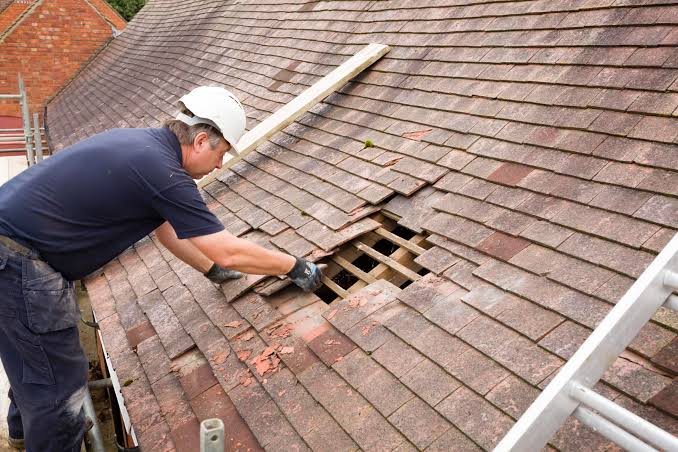
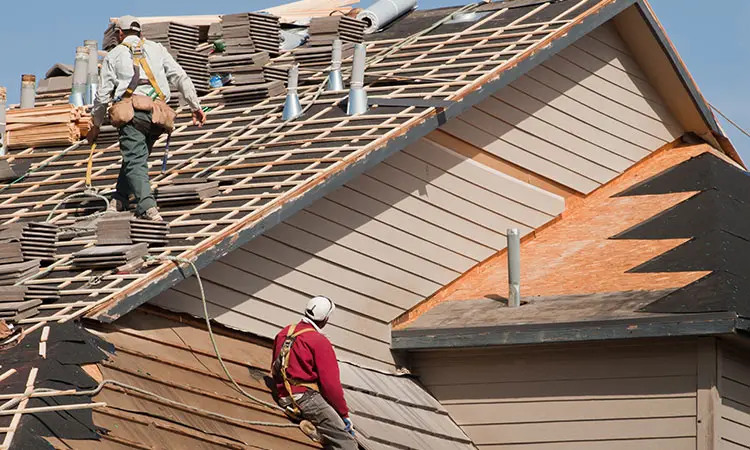
A roof does more than cover a building.
It protects your belongings, supports indoor comfort, and helps preserve the long-term value of your property. Yet many homeowners only think about roof repair when water begins dripping through the ceiling or a storm leaves visible damage behind.
A smarter approach is to treat roof maintenance as part of your property’s long-term care plan. By understanding how roofing problems develop, monitoring vulnerable areas, and responding to early warning signs, you can make informed decisions and reduce the risk of unexpected repair expenses.
In this guide, we explore practical roof repair strategies, overlooked sources of roof damage, and innovative ways to manage roofing maintenance more effectively.
Why a Proactive Roof Repair Strategy Matters
Waiting for visible damage before taking action can allow small roofing defects to develop into larger problems. A loose shingle, damaged seam, or deteriorated flashing may allow moisture to enter the roofing system long before a leak becomes noticeable indoors.
A proactive roof repair strategy focuses on identifying risks early and addressing them before they affect other parts of the building.
This approach offers several advantages:
- Better maintenance planning: You can schedule necessary repairs instead of responding to every problem as an emergency.
- Reduced risk of interior damage: Addressing vulnerable areas can help protect ceilings, insulation, walls, and personal belongings.
- More informed spending: Inspection reports and maintenance records help you understand where your money is going.
- Improved roof performance: Timely repairs can help preserve the effectiveness of an otherwise serviceable roofing system.
- Greater peace of mind: Knowing the condition of your roof makes it easier to plan for future maintenance.
The goal is not to repair every minor imperfection immediately. It is to identify which problems require attention and prioritize them according to their severity.
1. Create a Roof Vulnerability Map
One useful but often overlooked idea is to create a simple record of the areas where your roof is most likely to develop problems.
Certain locations are more vulnerable than others because of their design, drainage patterns, or exposure to weather.
These areas may include:
- Roof valleys where water flows from adjoining slopes.
- Flashing around chimneys and skylights.
- Roof penetrations around vents and pipes.
- Flat roof seams and drainage outlets.
- Roof edges exposed to strong winds.
- Areas beneath overhanging trees.
You can keep a basic digital record with photographs taken from safe locations, inspection dates, and notes about previous repairs.
For example, if a particular roof valley has required attention several times, you can ask a roofing professional to investigate whether a larger drainage or installation problem is contributing to the recurring damage.
This simple system helps turn roof repair from an unpredictable expense into a more organized maintenance task.
2. Investigate the Cause of Recurring Roof Leaks
Repeated leaks are often a sign that the original problem has not been fully resolved.
A contractor may repair the visible damaged area, but moisture can continue entering through a nearby defect or an underlying roofing component.
Common causes of recurring leaks include deteriorated flashing, damaged underlayment, loose roof membranes, blocked drainage, and poorly sealed joints.
The most effective roof repair process begins with identifying the actual source of water intrusion.
A professional may need to inspect the roof surface, surrounding materials, flashing, and accessible attic areas to understand how water is entering the building.
Rather than repeatedly paying for temporary patches, ask your contractor to explain the likely root cause and recommend a repair that addresses it.
3. Use Weather Patterns to Plan Roof Maintenance
Weather conditions can influence when roofing problems develop and which areas require additional attention.
Heavy rainfall can expose weaknesses in flashing and drainage systems. Strong winds may loosen shingles or roofing panels, while prolonged sunlight can accelerate the deterioration of certain materials.
Instead of waiting for visible damage, consider how your local weather affects your property.
Before periods of heavy rainfall, check accessible gutters and downspouts for blockages. After a major storm, look for fallen branches, missing shingles, and other visible signs of damage.
For properties with a history of storm-related issues, keeping records of weather events alongside inspection reports can help identify recurring problems.
Roof inspections should always be conducted safely. Leave steep, wet, unstable, or inaccessible roofing areas to qualified professionals.
4. Understand the Difference Between Surface Damage and Hidden Damage
One of the biggest challenges in roof repair is determining whether the visible problem is the only problem.
A cracked shingle may be relatively straightforward to replace. However, if water has already reached the roof decking or insulation, additional work may be necessary.
Similarly, a small patch of ceiling discoloration may indicate a leak originating several feet away from the visible stain.
This is why roofing assessments should consider both the damaged surface and the surrounding structure.
Potential signs of hidden damage include:
- Persistent musty odors in attic spaces.
- Damp or compressed insulation.
- Repeated ceiling stains.
- Peeling paint near upper walls.
- Soft or deteriorated roofing components identified during a professional inspection.
Correctly identifying the extent of damage helps prevent incomplete repairs and recurring maintenance problems.
5. Compare Repair Costs With Long-Term Roofing Performance
The lowest immediate repair cost does not always represent the best long-term value.
For example, repeatedly patching an aging flat roof may eventually cost more than addressing widespread membrane deterioration with a more comprehensive solution.
On the other hand, replacing an entire roof because of one isolated defect may be unnecessary when the rest of the system remains in good condition.
Before approving significant work, consider three questions:
How extensive is the damage?
Determine whether the problem affects one small area or several sections of the roofing system.
How much useful life remains?
Consider the age, material, maintenance history, and overall condition of the roof.
Will the proposed repair solve the underlying problem?
Ask whether the contractor has identified the cause and whether the repair is expected to prevent the same issue from returning.
Comparing these factors can help you choose a solution that balances immediate expenses with future maintenance requirements.
6. Improve Roof Drainage Before Water Becomes a Problem
Water management is a major part of maintaining a healthy roofing system.
When rainwater cannot drain correctly, it may collect around roof edges, enter vulnerable joints, or place unnecessary stress on certain roofing materials.
Flat roofs require particular attention because inadequate drainage can leave water standing on the surface.
Effective maintenance may involve clearing gutters, checking downspouts, inspecting drainage outlets, and correcting defects that prevent water from flowing away properly.
If standing water persists after rainfall, ask a roofing professional to assess the roof’s drainage design and condition.
Simply sealing a nearby crack may not solve a problem caused by inadequate drainage.
7. Build a Digital Roof Maintenance Record
A digital maintenance record can make managing roof repair much easier, especially for landlords, property managers, and owners of multiple buildings.
Your record does not need expensive software. A spreadsheet or basic digital document can provide a useful overview.
Include the following information:
- Inspection dates and observations.
- Photographs of visible damage.
- Previous repair descriptions.
- Contractor details.
- Receipts and quotations.
- Warranty information.
- Recommended future maintenance.
This information helps you identify repeated problems, compare repair quotations, and provide contractors with a clearer history of the roofing system.
For landlords and property managers, organized maintenance records can also support property inspections and budgeting decisions.
8. Know When Emergency Roof Repair Is Necessary
Some roofing problems can wait for a scheduled inspection, while others require immediate attention.
Active water intrusion, major storm damage, displaced roofing materials, and visibly sagging roof sections may require urgent professional assessment.
If your roof develops a sudden leak, keep people away from unsafe areas and protect belongings only when it is safe to do so. Do not climb onto the roof to apply a temporary patch during severe weather.
If water is entering near electrical equipment, avoid the affected area and seek appropriate professional assistance.
Emergency roof repair may initially involve temporary weatherproofing to reduce further damage. Permanent repairs should follow once the roof can be assessed safely.
9. Choose Roofing Materials With Maintenance in Mind
When repairing or upgrading a roof, it is worth considering how the selected materials will affect future maintenance.
Different roofing systems have different requirements.
Asphalt shingles may need individual replacement when damaged. Metal roofs require attention to fasteners, seams, protective coatings, and compatible flashing. Tile roofs may require replacement of cracked or displaced tiles, while flat roofing systems need appropriate membrane maintenance and drainage.
The right choice depends on your climate, building design, budget, and existing roof structure.
Ask a qualified roofing contractor about expected maintenance requirements, material compatibility, repairability, and warranty conditions before making a decision.
10. Turn Roof Repair Into a Planned Maintenance Schedule
A maintenance schedule helps ensure that small roofing issues do not disappear from your attention until they become urgent.
A simple schedule could include the following activities:
Throughout the year: Monitor ceilings and accessible attic areas for signs of moisture.
After severe weather: Look for visible damage from the ground and arrange a professional assessment if necessary.
During routine property maintenance: Check gutters, downspouts, and accessible drainage points.
When warning signs appear: Arrange an inspection and prioritize repairs according to their urgency.
After completed repairs: Keep the invoice, document the work, and follow any maintenance recommendations provided by the contractor.
The frequency of professional inspections should depend on the roof’s age, material, local climate, and condition.
Frequently Asked Questions About Roof Repair
Can roof repair prevent a complete roof replacement?
Timely repairs can extend the useful life of a roof when the damage is limited and the remaining materials and structure are in good condition. However, repairs cannot always prevent replacement when deterioration is widespread.
Why does my roof leak in the same place repeatedly?
Recurring leaks may result from unresolved flashing defects, damaged underlayment, drainage problems, or water entering through a nearby area. A thorough inspection can help identify the underlying cause.
Is it better to repair a roof before the rainy season?
Addressing known defects before periods of heavy rainfall can reduce the risk of water entering your property. However, repairs should be planned according to the roof’s condition and carried out safely.
How can I reduce unexpected roofing expenses?
Keep maintenance records, investigate warning signs early, clear drainage systems, and request written quotations for significant work. Regular attention can help identify problems before they become more extensive.
Should I repair or replace an aging roof?
The decision depends on the roof’s overall condition, the extent of damage, remaining service life, and expected future maintenance costs. A professional assessment can help you compare the available options.
Conclusion
Effective roof repair starts long before a major leak appears. By tracking vulnerable areas, investigating recurring problems, monitoring drainage, and maintaining accurate repair records, property owners can make more informed decisions about roofing maintenance.
The most important step is to address the actual cause of damage rather than repeatedly treating visible symptoms. A carefully planned approach can help preserve roofing materials, manage maintenance expenses, and protect the building from avoidable water damage.
Whether you own a home, manage rental properties, or maintain a commercial building, investing in regular roof care can help keep your roofing system dependable for years to come.