Now Reading: How Locksmith Dispatch Software Improves Response Times
-
01
How Locksmith Dispatch Software Improves Response Times

Introduction
When someone is locked out of their home, car, or business, every second counts. The speed at which a locksmith arrives can make or break the customer relationship — and the reputation of your business. That is where locksmith dispatch software steps in. This technology connects your office, your technicians, and your customers on one platform, cutting delays and getting help on the road faster. From automated dispatching to GPS tracking, modern tools turn slow, manual processes into quick, reliable service. In this article, we explore exactly how these systems shrink response times and help locksmith businesses win more jobs.
Why Response Times Matter in the Locksmith Industry
Response time is the single biggest factor in customer satisfaction for emergency locksmith work. A person stranded outside their car at night does not want to wait 30 minutes — they want reassurance and a fast arrival. Studies of field service management show that faster response often decides whether a caller books your service or dials your competitor.
Slow dispatching costs money, too. Missed calls become missed jobs, and long waits lead to bad reviews. Traditional methods like phone tag, paper schedules, and guesswork leave too much room for delay.
Speed also affects your bottom line in less obvious ways. Faster technician routing means more jobs completed per day, better fuel use, and happier repeat customers. When your dispatch board runs smoothly, your whole operation moves faster. Improving emergency locksmith response is not just about kindness — it is a smart business strategy that drives real growth and steady revenue.
What Locksmith Dispatch Software Does
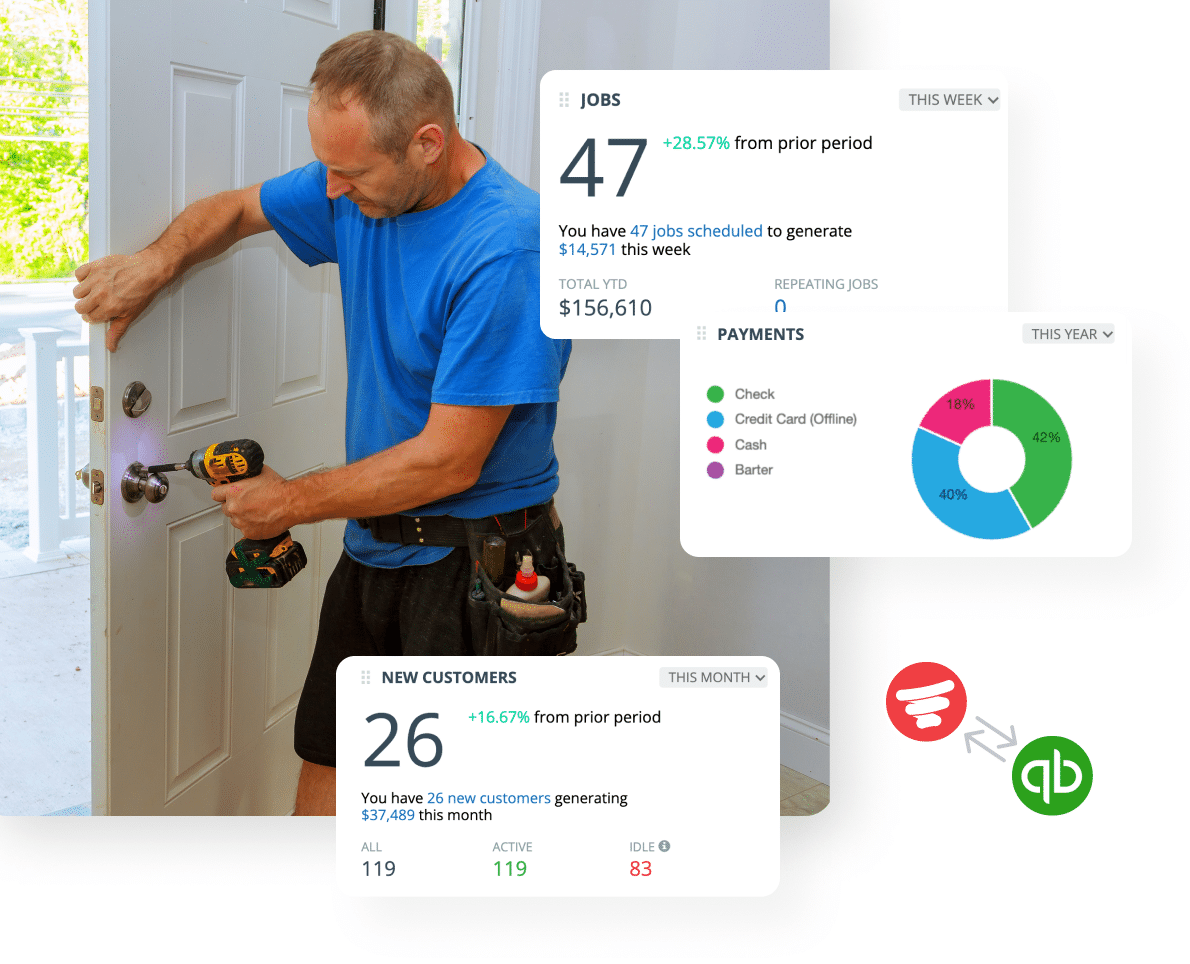
At its core, this technology is a job management platform that handles scheduling, dispatch, and communication in one place. Instead of juggling spreadsheets and sticky notes, dispatchers see every open job, every available technician, and every location on a single screen.
The system pulls together job scheduling, work order management, customer records, and mobile dispatch features. When a call comes in, the dispatcher can create a work order, assign the nearest tech, and send them the details instantly. No more back-and-forth phone calls or lost paperwork.
Most platforms also include real-time updates, so the office always knows the status of each job — from dispatch through completion. This visibility keeps everyone on the same page. By replacing manual steps with automated dispatching, locksmith businesses remove the bottlenecks that used to slow their response and frustrate their customers.
How GPS Tracking Speeds Up Dispatch Decisions
GPS tracking is one of the most powerful tools for cutting response times. When every technician’s location shows on a live map, dispatchers no longer guess who is closest. They can see it instantly.
Imagine a lockout call in a busy neighborhood. With fleet tracking, the dispatcher spots a technician just three blocks away and assigns the job in seconds. That single decision can shave 15 minutes off arrival time. Without GPS, the office might send someone across town by mistake.
Real-time technician tracking also improves accountability and planning. Managers can confirm that jobs are being handled, spot delays early, and reassign work if a technician gets stuck. This live data keeps service area coverage tight and efficient.
The result is a faster, smarter dispatch process. GPS turns location into actionable insight, and that insight directly translates into quicker arrivals and more satisfied customers who feel taken care of.
Route Optimization and Smarter Technician Routing
Getting a technician assigned quickly is only half the battle — they still need to reach the customer fast. That is where route optimization shines. Smart routing tools calculate the quickest path, factoring in traffic, distance, and existing appointments.
Instead of a technician relying on memory or a basic map, the software plots the most efficient route automatically. This reduces windshield time, saves fuel, and packs more jobs into each workday. For emergency locksmith response, those saved minutes matter enormously.
Technician routing also helps with planned work. The system groups nearby jobs together, so your team is not zig-zagging across the city. Fewer wasted trips mean lower costs and faster service for everyone waiting.
When combined with GPS tracking, route optimization creates a smooth flow of work. Your technicians spend less time driving and more time solving problems, which keeps response times low and productivity high.
Automated Dispatching and Real-Time Updates
Manual dispatching is slow and error-prone. Automated dispatching removes the guesswork by matching jobs to the best available technician based on location, skills, and schedule. This happens in moments, not minutes.
Real-time updates keep the whole team connected. As a technician accepts a job, starts driving, or finishes work, the status updates instantly across the platform. Dispatchers see progress without making a single phone call, and they can react fast if plans change.
Good locksmith scheduling software also sends customer notifications automatically. Clients get a text confirming their appointment, an alert when the technician is on the way, and an ETA they can trust. These small touches reduce anxious “where are you?” calls and free your office to focus on new jobs.
Together, automation and live updates create a fast, transparent workflow. The office stays informed, technicians stay productive, and customers stay happy.
Mobile Dispatch: Empowering Field Technicians
Response time depends heavily on what happens in the field. Mobile dispatch tools put everything a technician needs right in their pocket. Through a smartphone app, they receive job details, customer addresses, service history, and directions the moment a job is assigned.
This means no trips back to the office and no waiting for paperwork. A technician can accept a job, navigate to the site, complete the work order, and even collect payment — all from their phone.
Mobile access also supports better communication. If a customer adds a request or the job scope changes, the technician updates the record on the spot. The office sees it immediately.
By putting a full job management platform in every technician’s hand, mobile dispatch removes delays and keeps your field team moving quickly from one call to the next.
Better Service Area Coverage and Fleet Visibility
Strong service area coverage is essential for fast response. Dispatch tools help you understand where your demand comes from and where your technicians spend their time. With this data, you can position teams strategically across your region.
Fleet tracking shows the location and status of every vehicle at once. Managers can balance workloads, cover gaps, and respond to sudden spikes in demand without scrambling. If one zone gets busy, you can shift resources quickly.
This bird’s-eye view also supports smarter hiring and expansion decisions. You learn which neighborhoods need more coverage and when demand peaks during the day. Better planning means you are always ready to respond fast, no matter where the next call comes from.
Frequently Asked Questions
What is locksmith dispatch software?
It is a digital platform that manages scheduling, job assignment, and communication for locksmith businesses. It combines dispatch boards, GPS tracking, work order management, and mobile tools so you can send technicians to jobs faster and track their progress in real time.
How does dispatch software reduce response times?
It identifies the nearest available technician using GPS, assigns jobs automatically, and plots the fastest route. This removes manual delays and helps technicians reach customers quickly, often cutting response times dramatically.
Can locksmith software track technicians in real time?
Yes. Most platforms include real-time technician tracking and fleet visibility, so dispatchers always know where each team member is and what job they are handling.
Does dispatch software work on mobile devices?
Absolutely. Mobile dispatch apps let technicians receive jobs, view details, navigate, update work orders, and take payments directly from their smartphones.
Is dispatch software worth it for small locksmith businesses?
Yes. Even a small team benefits from faster scheduling, fewer missed calls, and automated customer notifications, all of which drive more booked jobs and steady growth.
Conclusion
Fast response is the heartbeat of a successful locksmith business. Customers remember how quickly you showed up, and that memory shapes their reviews and repeat calls. By combining GPS tracking, route optimization, automated dispatching, and mobile tools, locksmith dispatch software removes the delays that once slowed your team down. It turns scattered, manual work into a smooth, connected operation where every job flows quickly from call to completion. If you want to arrive faster, win more jobs, and keep customers coming back, investing in the right dispatch platform is one of the smartest moves you can make.