

Now Reading: Emergency Roofing in Godalming Surrey: Protecting Your Home After Severe Storms
-
01
Emergency Roofing in Godalming Surrey: Protecting Your Home After Severe Storms

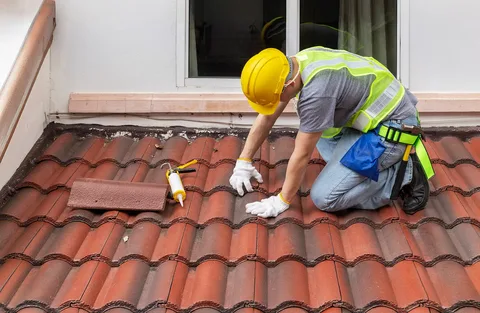
When severe weather strikes Surrey, your roof is your home’s first line of defence. Heavy downpours, high-speed gales, and falling tree branches can cause sudden structural failures that compromise your entire property. Securing reliable emergency roofing in Godalming Surrey as quickly as possible prevents minor leaks from escalating into major structural failures, costly ceiling collapses, or pervasive mold infestations. Knowing how to handle storm impact immediately ensures your household stays dry, safe, and financially protected.
Common Types of Wind and Storm Roof Failure
High winds do not impact every part of a roof equally. Gales often catch the edges of tiles, lifting them and creating a vacuum effect that pulls entire sections away.
- Slipped or Broken Tiles: Strong wind gusts dislodge older clay or slate tiles, leaving the underlayment fully exposed to rain.
- Flashing Separation: Lead flashing around chimneys and valleys often pulls loose, allowing driven rain to trickle straight into the wall cavities.
- Impact Damage: Heavy tree limbs torn off by gales can crush rafters, crack tile beds, and create direct openings into your attic space.
- Gutter and Fascia Failure: Saturated fascia boards combined with wind force can tear heavy gutters away, preventing proper drainage and routing water directly down external masonry.
Critical Immediate Steps After Severe Weather Hits
Taking quick, sensible steps right after a storm reduces secondary water damage and streamlines the repair process.
- Conduct a Ground-Level Visual Check: Walk around your property to check for missing tiles, drooping gutters, or debris in the yard. Never climb onto a wet or wind-damaged roof yourself.
- Contain Indoor Leakage: Place heavy-duty buckets beneath active drips, move furniture away from wet ceilings, and lay down towels to protect internal flooring.
- Document Everything for Insurance: Take clear, high-resolution photos and videos of all internal ceiling stains, water ingress, and visible exterior damage before any initial cleanup begins.
- Call Professional Emergency Roofers: Reach out to qualified local contractors who provide urgent tarping services to seal the building envelope against incoming rainfall.
How Professional Contractors Execute Urgent Repairs
Emergency roofers focus on immediate stabilization before carrying out permanent fixes. Their priority is making the property watertight to prevent further structural degradation.
First, contractors perform a rapid safety assessment to identify structural risks, sagging timber, or compromised masonry. Next, they install heavy-duty, commercial-grade waterproof tarpaulins secured with timber battens across affected zones. This creates an immediate weather barrier. Once the storm passes and conditions stabilize, the team returns to conduct a comprehensive structural evaluation, replace damaged rafters, re-lay missing tiles, and restore your home to its original condition.
Navigating Insurance Claims for Weather-Related Roof Damage
Filing an insurance claim for storm damage can feel overwhelming, but clear documentation speeds up the approval process significantly. Most home insurance policies cover sudden windstorm damage, provided the roof was kept in good maintenance prior to the incident.
Provide your insurer with the initial photos you took immediately after the storm, along with an itemized report and quote from your emergency roofing contractor. Avoid clearing away broken tiles or damaged structural elements until the insurance adjuster has inspected the site or given formal approval to proceed with full repairs.
Frequently Asked Questions
How quickly should emergency roof repairs be carried out after a storm?
Emergency repairs should be arranged immediately after the storm passes or as soon as it is safe for contractors to access the roof. Securing temporary tarping within hours prevents extensive water damage to ceilings, insulation, and electrical systems.
Can a roof be fixed during active heavy rain or high winds?
Full structural repairs cannot safely take place during high winds or heavy rain. However, emergency crews can often apply temporary waterproofing measures, such as securing tarpaulins or applying quick-seal materials, as soon as wind speeds drop to safe operational levels.
Will home insurance cover the full cost of emergency roof repairs?
Most standard home insurance policies cover sudden damage caused by storms and high winds. Coverage typically depends on whether the damage was caused by a sudden storm event rather than long-term neglect or age-related wear and tear.





