Now Reading: Dental Fillings: A Practical Guide to Restoring Damaged Teeth
-
01
Dental Fillings: A Practical Guide to Restoring Damaged Teeth

Understanding Dental Fillings
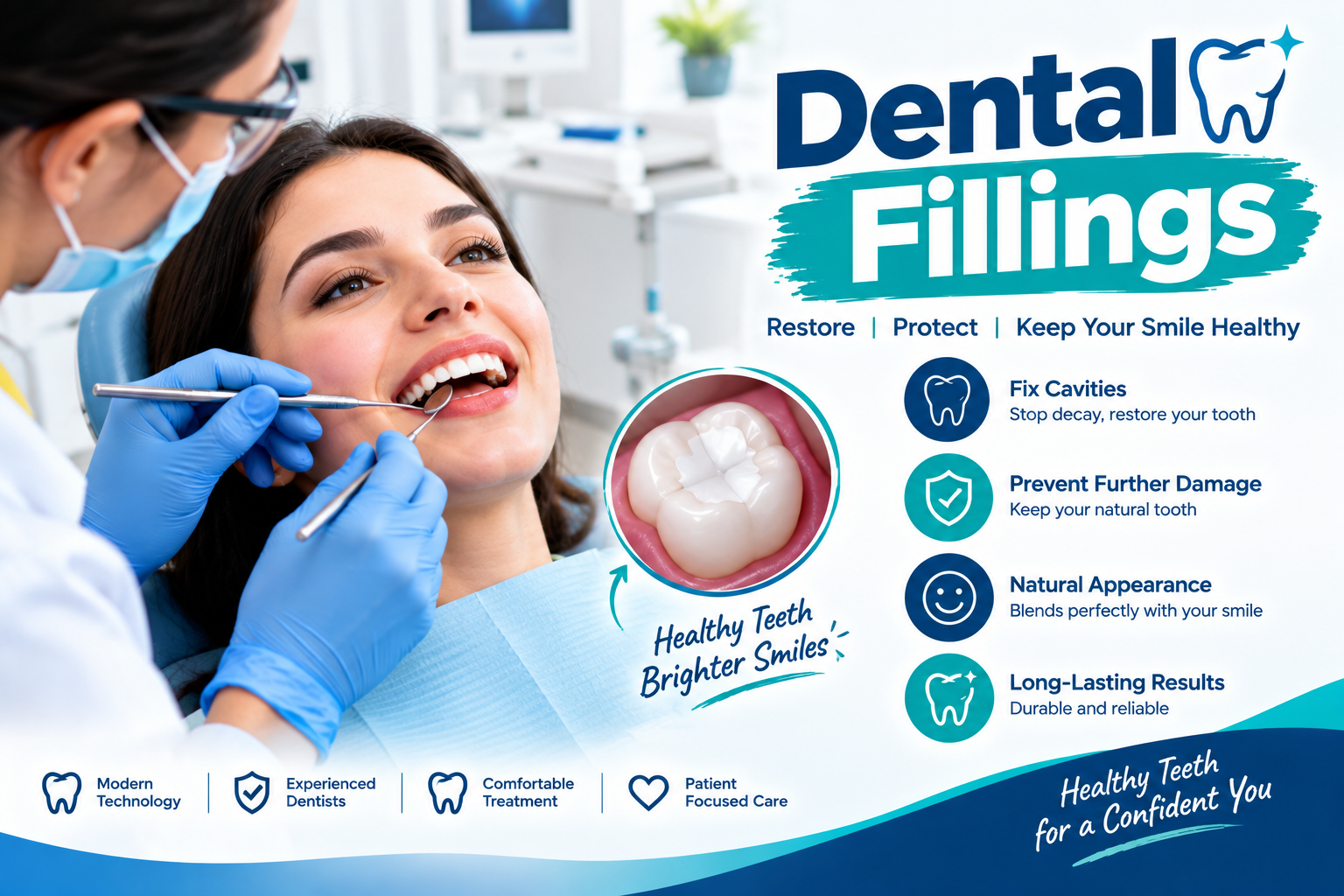
Dental Fillings are one of the most common treatments used to repair teeth affected by cavities, decay, or minor damage. When tooth decay creates a small hole or weak area, leaving it untreated can allow the problem to become larger and eventually affect deeper parts of the tooth. A Dental Fillings helps remove the damaged portion and restores the tooth so it can function normally again.
At PrimeSmileDentalClinic, understanding the condition of a tooth is an important part of providing appropriate dental care. A dentist can examine the affected area and determine whether a filling is suitable or whether another treatment may be needed.
Why Dental Fillings Are Needed
Tooth decay develops when bacteria in the mouth produce acids that gradually damage the tooth’s outer layers. In the early stages, decay may not cause noticeable discomfort. As it progresses, a cavity can become more sensitive and may eventually affect chewing.
Dental Fillings can repair the damaged area before the problem becomes more extensive. Treating a cavity at an appropriate stage can help preserve more of the natural tooth structure and reduce the possibility of more complicated dental treatment later.
Common Signs You May Need a Filling
Some cavities are discovered during routine dental examinations before a person notices any symptoms. Others may cause sensitivity when eating or drinking hot, cold, sweet, or acidic foods. A person may also notice pain while biting, a visible dark spot, or a small hole in the tooth.
It is important not to ignore these signs. Dental discomfort does not always indicate a simple cavity, so a professional examination is necessary to identify the underlying cause.
How a Dentist Diagnoses Tooth Decay
Before placing a filling, a dentist examines the tooth and surrounding areas. Depending on the situation, dental X-rays may also be recommended to identify decay that is not easily visible.
The dentist considers the size and location of the damaged area and checks the overall condition of the tooth. This assessment helps determine whether a filling is appropriate or whether a different treatment would provide a better long-term solution.
The Dental Filling Procedure
The filling process generally begins with preparing the affected tooth. The dentist removes the decayed portion while preserving as much healthy tooth structure as possible. The area is then cleaned and prepared for the filling material.
The chosen material is placed into the prepared space and shaped to restore the natural form of the tooth. For tooth-colored fillings, a special light may be used to harden the material. The dentist then checks the bite and makes any necessary adjustments.
Types of Dental Filling Materials
Different materials can be used for Dental Fillings depending on the tooth, location of the cavity, aesthetic preferences, and clinical requirements. Composite resin is a popular option because it can be matched closely to the natural color of a tooth.
Other materials may also be considered depending on the individual situation. A dentist can explain the available options and help determine which material is appropriate for the affected tooth.
Tooth-Colored Dental Fillings
Many patients prefer tooth-colored fillings because they provide a more natural-looking appearance. Composite materials can be carefully matched to the surrounding tooth, making the restoration less noticeable.
This can be particularly appealing when treating teeth that are visible when smiling or speaking. However, appearance is only one factor when selecting a filling material. Durability, location, size, and oral health should also be considered.
What Happens During Treatment?
Many modern dental procedures are designed to make patients as comfortable as possible. Local anesthesia may be used when necessary to numb the area being treated.
The length of a filling appointment can vary depending on the number of teeth involved and the size or location of the cavity. A straightforward filling may be completed during a single appointment, while more complex situations may require additional evaluation or treatment.
Dental Fillings and Tooth Sensitivity
Some patients experience temporary sensitivity after receiving a filling. Mild sensitivity can occur as the tooth adjusts to the restoration and may improve with time.
If sensitivity is severe, continues for an extended period, or is accompanied by significant pain, the dentist should be informed. Persistent symptoms may indicate that the tooth needs further evaluation.
Caring for a Tooth After a Filling
Good oral hygiene remains important after receiving a filling. Brushing twice daily with fluoride toothpaste and cleaning between the teeth can help reduce the buildup of plaque and lower the risk of future cavities.
Patients should also attend regular dental examinations. A filling repairs existing damage, but it does not make a tooth permanently immune to decay.
How Long Do Dental Fillings Last?
The lifespan of a filling depends on several factors, including the material used, the size and location of the restoration, biting forces, oral hygiene, and general dental habits.
A filling may eventually become worn, chipped, or damaged. Regular dental checkups allow the dentist to monitor existing restorations and identify potential problems before they become more serious.
Preventing the Need for Additional Fillings
Preventive dental care can reduce the risk of developing new cavities. Daily brushing, flossing, balanced eating habits, and regular dental visits all contribute to healthier teeth.
Reducing frequent exposure to sugary foods and drinks can also support better oral health. Fluoride can strengthen tooth enamel and help protect against decay when used appropriately.
Dental Fillings for Children and Adults
Both children and adults can develop cavities. Children may be particularly vulnerable because their brushing habits and dietary routines are still developing.
Adults can also experience decay due to changes in oral hygiene, diet, dry mouth, aging, or existing dental restorations. Dental care should therefore be personalized according to the patient’s age, oral health, and individual needs.
Why Early Treatment Matters
A small cavity may require a relatively simple restoration, but untreated decay can continue spreading through the tooth. If decay reaches the inner pulp, more extensive treatment may be necessary.
Seeking dental care when a problem is first identified can help protect natural tooth structure. Regular examinations are especially useful because some cavities develop without causing obvious symptoms.
Dental Fillings at PrimeSmileDentalClinic
PrimeSmileDentalClinic focuses on providing dental care based on each patient’s individual needs. When a cavity is identified, the dental team can assess the tooth and discuss suitable restoration options.
The goal of Dental Fillings is not simply to cover a cavity. Proper treatment involves removing damaged tissue, restoring the tooth’s structure, and supporting comfortable everyday function while maintaining an appropriate appearance.
When to Schedule a Dental Examination
A dental examination is recommended if you experience persistent tooth sensitivity, pain, visible changes in a tooth, discomfort while chewing, or any other unusual dental symptoms. Routine checkups are also important because cavities can sometimes develop without noticeable warning signs.
Early assessment gives the dentist an opportunity to identify problems and recommend suitable treatment before they become more complicated.
Conclusion
Dental Fillings provide an effective way to restore teeth affected by cavities and minor areas of decay. By removing damaged tooth material and filling the affected area, dentists can help restore normal tooth function and protect remaining healthy structure. Tooth-colored options can also provide a natural-looking result when appropriate. Maintaining good brushing and flossing habits, limiting excessive sugar consumption, and attending regular dental examinations can help protect both fillings and natural teeth. PrimeSmileDentalClinic can help patients understand their dental condition and determine the most appropriate approach for maintaining a healthy, comfortable smile.