Now Reading: Composite Leak Repair for Reliable and Long-Lasting Pipeline Protection
-
01
Composite Leak Repair for Reliable and Long-Lasting Pipeline Protection

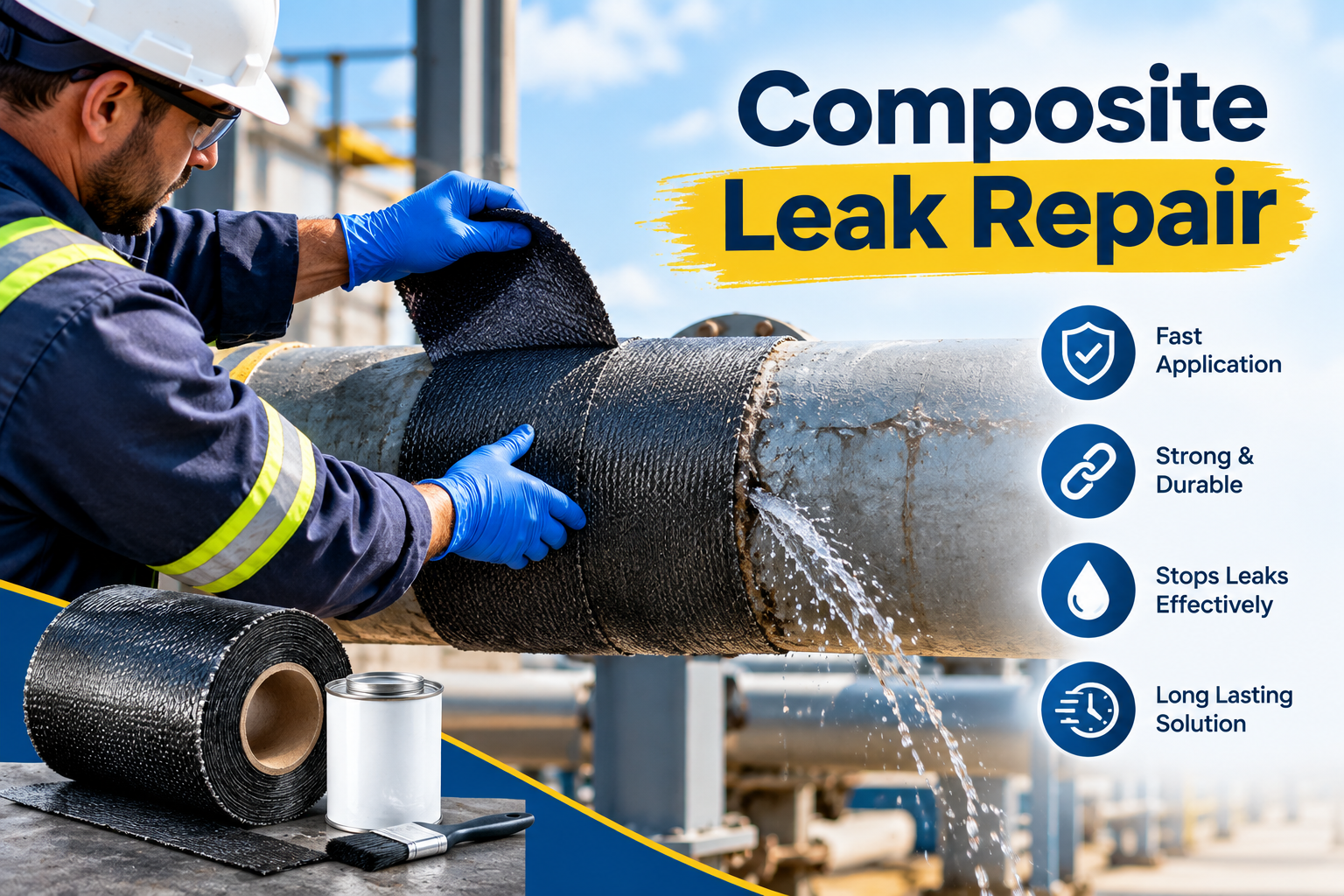
Pipelines are essential components of industrial facilities, processing plants, refineries, water systems, chemical operations, and many other environments. Even a small leak can become a serious operational concern if it is not addressed promptly. Traditional repair methods may sometimes require extensive preparation, shutdowns, welding, or replacement of damaged sections. Composite Leak Repair offers an alternative approach that can provide strong reinforcement and help restore the integrity of damaged pipework. Pipeontec provides practical composite repair solutions designed to support reliable pipeline performance and reduce unnecessary disruption.
What Is Composite Leak Repair?
Composite leak repair involves using specially engineered materials to reinforce and seal damaged sections of piping. Composite repair systems commonly combine reinforcing fibers with a resin or bonding material. When applied correctly, the system forms a hardened structural layer around the affected area.
The repair can be used for certain types of leaks, corrosion damage, cracks, wall thinning, and localized deterioration, depending on the condition and operating requirements of the pipeline. A proper assessment is important before selecting any repair method because the material, pressure, temperature, pipe size, and type of damage can all affect the appropriate solution.
Why Pipeline Leaks Should Be Addressed Quickly
A pipeline leak should never be ignored simply because it appears small. Continuous leakage can gradually worsen damage around the affected section. Corrosion may continue, pressure can affect the damaged area, and the surrounding environment may also become exposed to the leaking substance.
For industrial operators, an uncontrolled leak can lead to production interruptions, equipment damage, safety concerns, environmental issues, and increased maintenance costs. Early intervention can help prevent a localized problem from becoming a larger pipeline failure.
How Composite Repairs Help Reinforce Damaged Pipes
A major advantage of composite repair technology is its ability to reinforce the existing pipe rather than automatically requiring replacement of the entire section. The composite material is applied around the damaged area in carefully prepared layers.
Once the resin cures, the composite wrap can create a strong external reinforcement. This can help distribute stresses across a wider section of the pipe and provide additional structural support.
The repair process must be properly engineered and installed because the performance of a composite system depends on factors such as surface preparation, material selection, application technique, curing conditions, and the nature of the original damage.
Applications of Composite Leak Repair
Composite repair systems can be considered for a range of industrial pipeline situations. They may be used on pipelines affected by corrosion, localized wall loss, mechanical damage, or other forms of deterioration.
Industries such as oil and gas, petrochemical processing, utilities, manufacturing, marine operations, and industrial water management may use engineered composite solutions as part of their maintenance strategies.
The suitability of the repair depends on the specific pipe and service conditions. A technical inspection should always determine whether a composite solution is appropriate.
Reducing Operational Disruption
Pipeline replacement can involve significant preparation and downtime. Depending on the location of the damaged pipe, replacement may require equipment shutdowns, draining or isolating the line, removing insulation, dismantling connected components, and installing new pipe sections.
A composite repair can sometimes reduce the amount of intervention required because it reinforces the existing pipe externally. This may make it an attractive option when minimizing disruption is an important consideration.
Pipeontec can help clients evaluate repair requirements and identify practical approaches based on the condition of their piping systems.
Importance of Proper Surface Preparation
Surface preparation is one of the most important stages of a composite repair. The damaged area generally needs to be cleaned and prepared so that the repair materials can properly bond to the pipe surface.
Contamination, moisture, loose corrosion products, coatings, dirt, and other unwanted materials can affect adhesion and the overall performance of the repair.
Careful preparation provides a suitable foundation for the composite material. The exact preparation method depends on the pipeline material, damage type, environmental conditions, and selected repair system.
Choosing the Right Composite Materials
Not every composite material is suitable for every pipeline application. Different systems can have different strength characteristics, curing requirements, temperature capabilities, chemical resistance, and installation methods.
The operating pressure and temperature of the pipe are important considerations. The fluid being transported also matters because the external repair system may need to withstand specific environmental or chemical conditions.
An engineered approach helps ensure that the selected composite system is compatible with the pipe and its operating environment.
Professional Application Matters
Even high-quality composite materials may not perform as expected if they are applied incorrectly. The repair area must be properly prepared, the material must be applied according to the required specifications, and the curing process must be appropriately managed.
Installation quality can influence the strength, durability, and reliability of the completed repair. Professional assessment and application are therefore important for industrial pipeline repairs.
Pipeontec focuses on providing solutions with attention to the condition of the pipeline and the requirements of the repair project.
Composite Repairs and Corrosion Management
Corrosion is one of the common causes of pipeline deterioration. Over time, corrosion can reduce wall thickness and weaken sections of pipe. If identified early, localized damage may sometimes be addressed through an engineered composite reinforcement system.
Composite repair should not be viewed as a replacement for proper corrosion management. Regular inspection, monitoring, protective coatings, and appropriate maintenance remain important parts of pipeline integrity management.
A composite repair can be one component of a broader strategy for managing existing damage and extending the useful service life of piping.
Benefits for Industrial Maintenance Programs
Industrial maintenance teams need solutions that balance safety, reliability, cost, and operational continuity. Composite repair technology can provide an additional option when replacing an entire pipe section is impractical or unnecessarily disruptive.
A properly engineered repair can reinforce damaged areas, help restore structural integrity, and potentially extend the service life of existing pipework. It can also support planned maintenance by allowing operators to address certain problems before they develop into more significant failures.
Inspection After Repair
Completing the repair is not necessarily the final step. Appropriate inspection and monitoring can help verify that the repaired area is performing as expected.
Depending on the application, inspection may involve visual checks, testing, measurements, or other appropriate integrity assessment methods. Ongoing monitoring can also help identify changes in the pipeline condition over time.
This approach supports a proactive maintenance strategy rather than waiting until another problem develops.
Why Choose Pipeontec for Composite Leak Repair?
Pipeontec understands the importance of reliable pipeline maintenance and engineered repair solutions. Composite Leak Repair requires more than simply wrapping material around a damaged pipe. Proper assessment, material selection, preparation, application, and inspection all contribute to a successful repair.
By considering the actual condition and operating requirements of the pipeline, Pipeontec can support customers in addressing leakage and structural concerns with suitable composite repair approaches.
Conclusion
Composite Leak Repair provides an effective option for addressing certain pipeline leaks, corrosion damage, wall loss, and localized deterioration. By reinforcing the existing pipe with engineered composite materials, it can help restore structural support while potentially reducing the disruption associated with conventional pipe replacement.
Successful repair depends on accurate assessment, appropriate material selection, careful surface preparation, professional application, and suitable inspection. For industrial facilities seeking practical pipeline integrity solutions, Pipeontec provides composite repair expertise focused on reliability, performance, and long-term pipeline protection.