

Now Reading: What to Know Before Adding a Room
-
01
What to Know Before Adding a Room

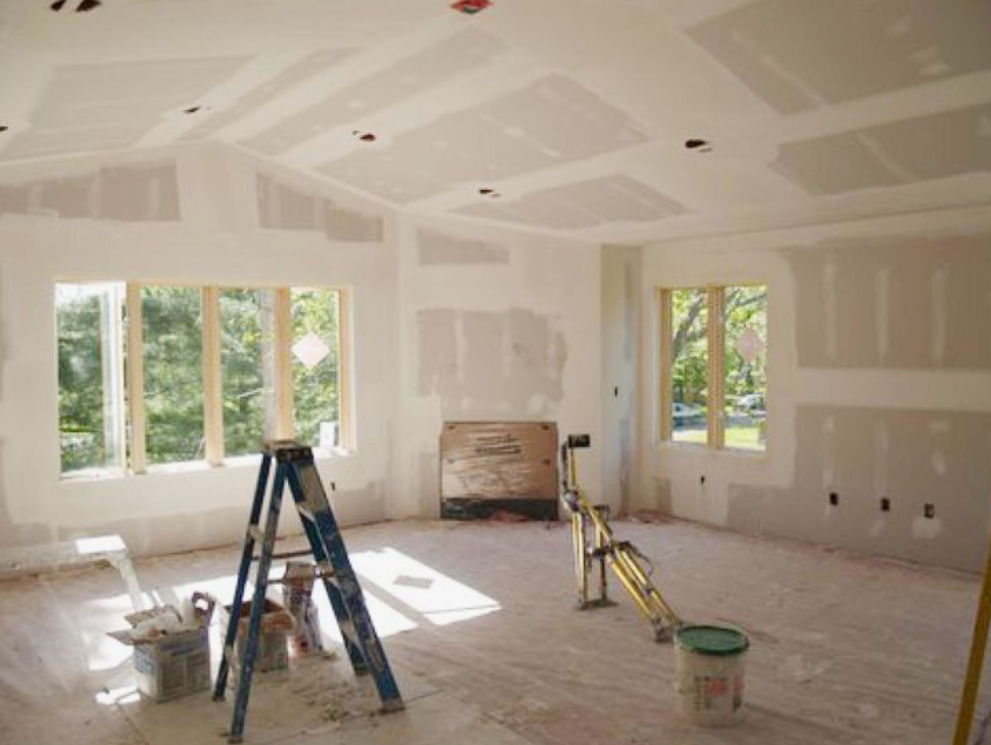
Adding a room is one of the bigger moves you can make on a house. It gives you space you did not have, raises the value of the home, and saves you from the hassle of moving. It is also a real construction project with permits, structural work, and a budget to match. Before you start knocking out a wall or pouring a foundation, here is what room addition planning really involves and what you want to settle up front.
Get Clear on the Purpose
Start with one question. What is the room for. The answer drives every choice that follows, from the size to the systems you run into it.
A home office needs outlets, good light, and quiet. A bedroom needs a closet and a path to a bathroom. A sunroom needs windows and a way to handle heat and cold. A kitchen expansion needs plumbing and ventilation. Nail down the purpose first, because a room built for the wrong use is hard and costly to fix later. Spend real time on this before anything else gets decided.
Set the Budget Before the Dream
A room addition costs more than people expect, because you are building from the ground up. There is a foundation, framing, a roof, and all the systems that go inside the walls. It is closer to building a small house than to redecorating a room.
Set a real budget early, and hold back ten to twenty percent for surprises. Tying a new room into an old house often uncovers things nobody planned for, and that cushion keeps a surprise from stalling the whole project. Know your number before you fall for a design, so the design fits the budget instead of fighting it.
Sort Out Permits & Zoning
A room addition changes the footprint of your house, which means it needs permits, and it has to follow local zoning rules. These rules cover how close you can build to the property line, how tall you can go, and how much of your lot you can cover.
Setbacks & Lot Rules
Most areas have setback rules that keep buildings a certain distance from property lines. If your addition crosses one, you may need a variance, which takes time and is not guaranteed. Check these limits before you design, not after.
The Permit Timeline
Permits run on the local government’s schedule, not yours. In some areas they come back in a week or two, in others a month or more, and additions get a closer look than smaller jobs. A good contractor handles the permit process, but the wait still counts against your timeline, so plan for it.
Think About How It Ties Into the House
A room addition has to connect to the existing house, and how well that connection works makes or breaks the result. A room that feels tacked on, with a roofline that does not match and a floor at a different height, drags down the whole house.
The goal is an addition that looks like it was always there. That means matching the roof pitch, the siding, the window style, and the floor level to the existing home. It also means thinking about how you enter the new room and how it flows from the spaces around it. A builder who plans this well delivers a room that reads as part of the house, not an afterthought stuck on the side.
Plan the Foundation & Structure
A new room needs its own foundation, and the type depends on your house and your region. It might be a slab, a crawl space, or a footing that matches what your home sits on now. This is not a place to cut corners, since everything above it depends on a solid base.
If the addition is a second story, the structure below has to carry the new weight. That can mean reinforcing what is already there, which adds cost and complexity. An honest contractor checks this early and tells you what the existing house can handle before you get attached to a plan it cannot support.
Run the Right Utilities
A new room needs power, and often heat, cooling, and plumbing too. Extending these systems into the addition takes planning. Your current heating and cooling system may handle the extra space, or it may need an upgrade to keep up.
Plumbing is a bigger lift. Adding a bathroom or a kitchen to the new room means running supply and drain lines, which costs more and takes more work than running a few outlets. Factor these systems into the budget from the start, because they are easy to underestimate and they add up fast.
Match the Addition to the Neighborhood & the Market
A room addition raises your home’s value, but only to a point. Build something far larger or fancier than the houses around you, and you may not get that money back when you sell. The market has a ceiling for any given neighborhood.
Keep the addition in line with your home and the ones near it. A second bedroom, a bigger kitchen, or a family room tends to add value that holds. An oversized wing that pushes the house far past its neighbors is harder to recover at sale. Think about resale even if you plan to stay, since plans change.
Hire the Right Builder
A room addition is structural work that ties new construction into an old house, and that takes a contractor who knows how to do both. This is not a job for a handyman or a crew that mainly does cosmetic work.
Look for a licensed, insured building contractor with a record of additions in your area. In Eastern North Carolina, a builder like D E Mitchell Construction handles room additions from the foundation through the finish, including the cabinetry and trim work that tie the new space to the rest of the home. A builder who manages the whole project keeps the structure, the permits, and the finish work moving together instead of in pieces.
Plan First, Build Second
A room addition pays off when it is planned well and built right. Settle the purpose, set a real budget with a cushion, and check the permits and zoning before you design. Plan how the addition ties into the house, line up the foundation and the utilities, and keep the size in step with the neighborhood.
Most of all, hire a builder who can carry the whole project from the ground up. A new room is a stretch of disruption that ends with space you will use for years. Get the planning right at the start, and the addition becomes one of the better moves you can make on a home rather than a project that drags on and disappoints.