

Now Reading: Deciphering the Stream: A Guide to Wild vs. Stocked Rainbow Trout
1
-
01
Deciphering the Stream: A Guide to Wild vs. Stocked Rainbow Trout

Deciphering the Stream: A Guide to Wild vs. Stocked Rainbow Trout
Anglers across the globe share a common obsession with the rainbow trout (Oncorhynchus mykiss). Prized for their fighting spirit and striking appearance, these fish occupy a unique dual identity in modern conservation and sport fishing. While bigfishmccall.com some populations thrive completely naturally, others are raised by human hands to sustain recreational opportunities. Understanding the core distinctions between wild and stocked rainbow trout is essential for any angler looking to improve their strategy and deepen their appreciation for the sport.
+---------------------------------------------------------------+
| RAINBOW TROUT |
| |
| ( Hatchery Stocked ) ( Stream Wild ) |
| - Stubby / rounded fins - Sharp / perfect fins |
| - Pale, silvery color - Vivid pink lateral line |
| - Aggressive, pellet-fed - Highly selective diet |
+---------------------------------------------------------------+
The Anatomy of Origin: Physical Distinctions
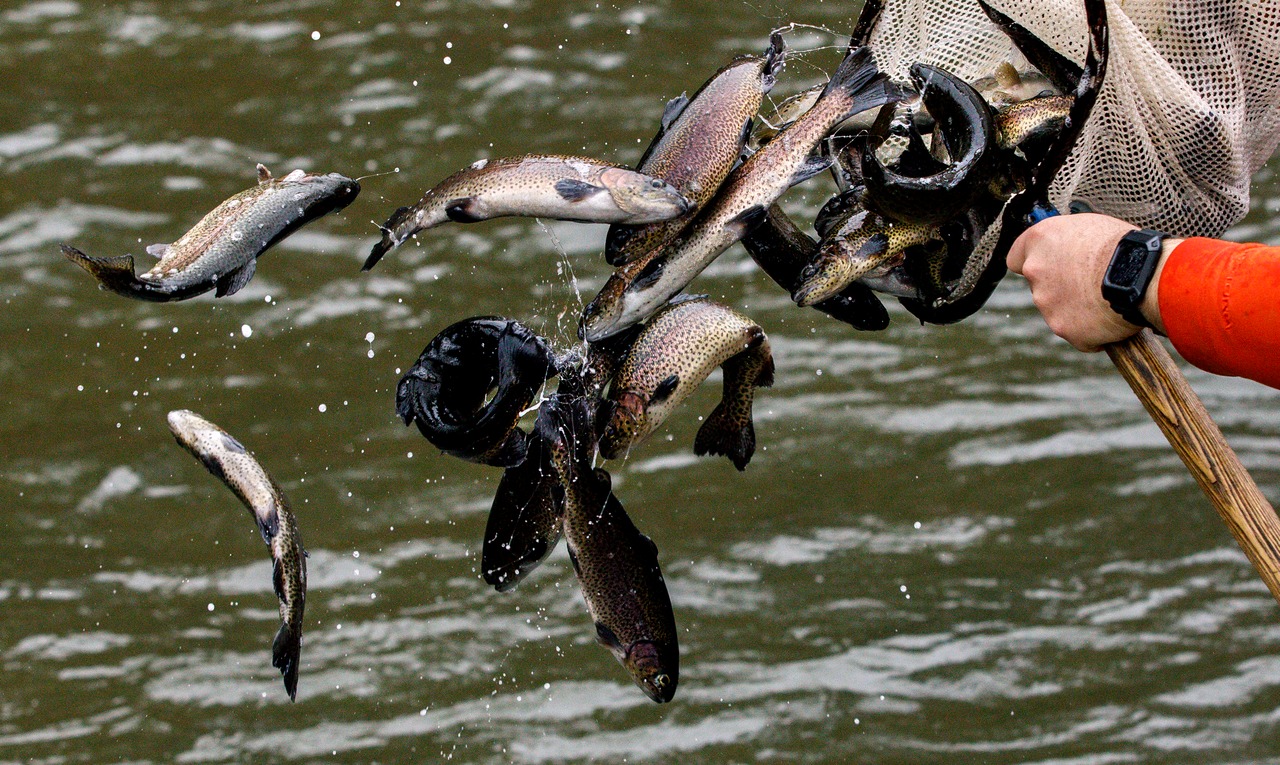
The most immediate way to differentiate between a wild and a stocked rainbow trout is through a visual inspection of their physical traits. Stocked fish spend the first year or two of their lives confined to concrete or dirt raceways within hatcheries. This high-density environment leads to fin erosion, where the fish accidentally rub their fins against concrete walls or each other. Consequently, a stocked trout often displays rounded, blunt, or stubby pectoral and dorsal fins. In stark contrast, a wild trout boasts flawless, sharply pointed fins that allow for precise navigation through turbulent river currents.
Coloration also tells a vivid story of habitat and diet. Hatchery-raised trout are typically fed optimized, uniform pellets, resulting in a muted, washed-out appearance. They often feature silvery bodies with faint lateral lines. Wild trout, however, consume a highly varied natural diet rich in carotene from aquatic insects and crustaceans. This natural nourishment translates into breathtaking coloration: dark, olivaceous backs, crisp spotting that extends down the tail, and an intense, fiery pink or red stripe blazing along their sides.
Behavioral Dynamics and Survival Instincts
The environmental upbringing of these two groups shapes drastically different behaviors in the water. Stocked rainbow trout are conditioned to associate human presence with food, as hatchery workers broadcast pellets across the raceways from above. When first released into public waters, these fish lack a natural fear of predators. They tend to school together in slow, deep pools and will aggressively strike at a wide variety of artificial lures, dough baits, or brightly colored flies.
Wild trout are born into a world of constant peril, where survival requires absolute stealth. From the moment they emerge from the gravel as fry, they must avoid birds, otters, and larger fish. This makes them incredibly skittish and selective. A wild rainbow trout will spook at the slightest shadow cast on the water or the heavy footfall of an angler on the bank. To catch a wild trout, anglers must employ meticulous presentations and precisely match the current insect hatch.
Management and Conservation Realities
Both wild and stocked populations serve critical roles in modern fisheries management. Stocking programs operate on a “put-and-take” or “put-grow-and-take” philosophy. They provide sustainable fishing opportunities in waters that cannot naturally support reproduction due to summer heat or habitat degradation, thereby reducing angling pressure on fragile wild ecosystems.
Conversely, wild trout populations serve as vital biological indicators of watershed health. They require pristine, highly oxygenated water and clean gravel beds to successfully spawn. Protecting these wild strains ensures genetic diversity and long-term sustainability, preserving the raw essence of fly fishing for future generations.
Related Posts



Stay Informed With the Latest & Most Important News
Previous Post
Next Post

Donations






Loading Next Post...
Popular Now
Scroll to Top