Now Reading: Choosing an AI-Powered CRM for Small Businesses Made Easy
-
01
Choosing an AI-Powered CRM for Small Businesses Made Easy

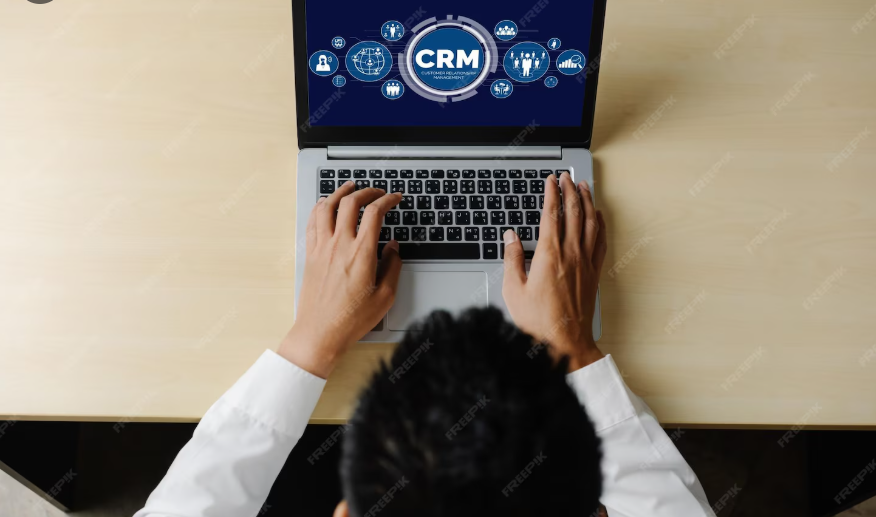
Many small businesses invest in CRM systems expecting instant organization and better sales results, yet they often end up with cluttered data, missed follow-ups, and underused tools. The issue is rarely the idea of CRM itself, but how it is chosen and implemented. This is where AI-powered CRM for small businesses changes the equation by introducing automation, intelligence, and structured workflows from the start.
Instead of relying on manual processes, businesses can use AI CRM to streamline lead management, improve customer interactions, and support long-term growth without adding operational complexity.
What Is AI-Powered CRM for Small Businesses
AI-powered CRM for small businesses is a system that combines customer relationship management with artificial intelligence to automate tasks, analyze customer behavior, and improve decision making. It supports lead capture, engagement, and retention while reducing manual workload across the entire customer lifecycle.
Why Choosing the Right AI CRM Matters
Selecting the right system is not just a technical decision. It directly affects how a business manages relationships, tracks opportunities, and scales operations.
A poorly chosen CRM can create friction. Teams may struggle with data entry, overlook insights, or abandon the system entirely. In contrast, well aligned AI powered CRM solutions for small businesses simplify processes and provide actionable insights that improve performance.
For example, a service based business handling multiple client inquiries each day needs automated prioritization. Without it, valuable leads may go unnoticed. With AI CRM, these leads are identified and managed efficiently.
How to Choose AI Powered CRM for Small Businesses
Choosing an AI CRM requires a clear understanding of business needs and workflows. The goal is to find solutions that align with daily operations rather than forcing major adjustments.
Understand Your Business Requirements
Every business operates differently. Start by identifying pain points in your current process.
Consider questions such as:
- Are leads being missed or delayed
- Is follow up inconsistent
- Is customer data scattered across platforms
These insights help define what features are truly necessary.
Evaluate Automation Capabilities
Automation is central to AI CRM. Focus on how well the system handles repetitive tasks such as lead assignment, follow ups, and data entry.
Effective CRM automation reduces manual effort while ensuring consistency. It also frees up time for strategic activities like relationship building and sales planning.
Assess Data and Analytics Features
AI driven insights depend on data quality and analysis. Look for systems that provide clear visibility into customer behavior and performance trends.
Predictive insights can help businesses anticipate customer needs, improving both conversion rates and retention.
Check Flexibility Across Industries
AI powered CRM for small businesses across industries must adapt to different workflows. A retail business has different needs compared to a consulting firm.
Flexible solutions allow customization of pipelines, communication methods, and reporting. This ensures relevance regardless of industry.
Direct Answer: How Do You Choose the Right AI CRM
To choose the right AI CRM, identify your business challenges, prioritize automation features, evaluate data insights, and ensure flexibility for your industry. The best choice aligns with your workflow, improves efficiency, and supports every stage of the customer lifecycle without adding unnecessary complexity.
Key Features That Define Effective AI CRM Solutions
Not all AI CRM systems offer the same value. Certain features consistently deliver better outcomes for small businesses.
- Automated lead capture from multiple sources
- Smart lead scoring based on behavior and engagement
- Workflow automation for tasks and communication
- Centralized customer data management
- Predictive analytics for decision support
These features work together to improve operational efficiency and customer experience.
AI CRM for Small Business Management in Real Scenarios
Understanding how AI CRM works in practice can clarify its value.
A small digital agency managing multiple client projects often struggles with tracking communication. AI CRM can organize interactions, set reminders, and highlight high priority clients, ensuring nothing is overlooked.
Similarly, a local retail business may face challenges in retaining customers. AI CRM can segment customers based on purchase history and suggest targeted engagement strategies.
These examples show how AI CRM for small business management supports both daily operations and long term growth.
Common Mistakes to Avoid When Choosing AI CRM
Even with the right intentions, businesses can make decisions that limit the effectiveness of their CRM.
One common mistake is choosing a system based on features rather than usability. Complex systems may offer advanced tools but remain underutilized.
Another issue is ignoring scalability. A solution that works today may not support future growth.
Finally, neglecting team adoption can reduce impact. If the system is not easy to use, employees may revert to manual processes, reducing efficiency.

How AI CRM Supports the Customer Lifecycle
AI powered CRM for small businesses enhances each stage of the customer lifecycle by combining automation with data driven insights.
Lead capture becomes faster and more organized. Engagement improves through timely communication. Conversion increases as AI identifies high value prospects. Retention strengthens with personalized interactions.
This continuous improvement creates a structured approach to customer relationship management.
AI Powered CRM for Small Businesses Across Industries
Different industries face unique operational challenges, yet AI CRM provides adaptable solutions.
In healthcare services, it helps manage patient communication and appointment scheduling. In real estate, it tracks leads and automates follow ups. In education services, it supports student engagement and inquiry management.
This adaptability makes AI powered CRM for small businesses across industries a versatile and practical solution.
When Is the Right Time to Adopt AI CRM
Timing often determines success. Businesses should consider AI CRM when manual processes begin limiting efficiency.
Signs include inconsistent follow ups, difficulty tracking leads, and lack of visibility into customer interactions. Early adoption can prevent these challenges from escalating and provide a structured foundation for growth.
FAQ Section
What is AI powered CRM for small businesses
AI powered CRM for small businesses combines traditional CRM functions with artificial intelligence to automate tasks and analyze customer data. It helps manage leads, improve communication, and enhance decision making across the customer lifecycle while reducing manual effort and operational inefficiencies.
How does AI CRM improve customer relationships
AI CRM improves relationships by ensuring timely and personalized communication. It analyzes customer behavior and suggests appropriate actions, helping businesses respond effectively. This consistency builds trust and strengthens long term engagement without requiring constant manual input.
Is AI CRM difficult to implement for small teams
Most AI CRM systems are designed with usability in mind. Small teams can implement them gradually by focusing on core features first. With proper setup and training, the system simplifies operations rather than adding complexity, making it manageable even with limited resources.
What industries benefit most from AI CRM
AI CRM benefits a wide range of industries including retail, services, real estate, and consulting. Any business that relies on managing leads and maintaining customer relationships can use AI CRM to improve efficiency and gain insights into customer behavior.
What features should small businesses prioritize
Small businesses should prioritize automation, lead scoring, data organization, and analytics. These features directly impact efficiency and decision making. Choosing the right combination ensures that the CRM supports growth without overwhelming users with unnecessary complexity.
Can AI CRM help with lead conversion
AI CRM supports lead conversion by identifying high potential prospects and suggesting follow up strategies. It ensures consistent communication and helps businesses engage leads at the right time, increasing the likelihood of successful conversions.
How does AI CRM support business growth
AI CRM supports growth by improving efficiency and providing insights into customer behavior. It allows businesses to scale operations without increasing workload while maintaining strong relationships, which is essential for sustainable expansion.
What are common challenges with AI CRM adoption
Common challenges include poor data quality, a lack of a clear strategy, and low user adoption. Addressing these issues requires proper planning, clean data management, and ensuring that the system aligns with daily workflows and team capabilities.