

Now Reading: Agadir to Essaouira: A Coastal Route Not to Be Missed by Rental Car
-
01
Agadir to Essaouira: A Coastal Route Not to Be Missed by Rental Car
Agadir to Essaouira: A Coastal Route Not to Be Missed by Rental Car

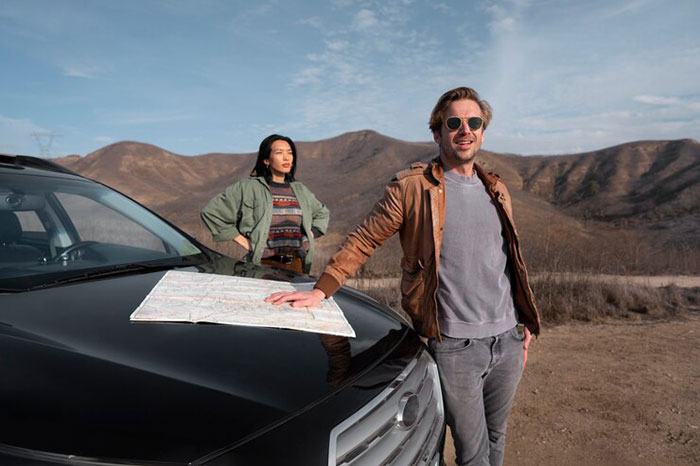
Morocco is full of incredible road trips, but few are as rewarding as the drive from Agadir to Essaouira. Stretching along the Atlantic coastline, this route combines spectacular ocean views, charming fishing villages, quiet beaches, and authentic Moroccan culture into one unforgettable journey.
While it’s possible to travel between the two cities by bus, driving a rental car transforms the trip into an adventure rather than just a transfer. Instead of going directly from point A to point B, you have the freedom to stop wherever the scenery inspires you, discover hidden gems, and experience the slower pace of life that makes Morocco so special.
If you’re planning a visit to southern Morocco, this coastal drive deserves a place on your itinerary.
Why Drive Instead of Taking the Bus?
The distance between Agadir and Essaouira is approximately 175 kilometers (109 miles), and the direct journey takes around three hours.
But rushing through this route would mean missing some of Morocco’s most beautiful coastal landscapes.
Traveling by rental car allows you to:
- Stop at panoramic viewpoints.
- Visit small fishing villages.
- Explore secluded beaches.
- Enjoy local seafood restaurants.
- Take spontaneous detours.
- Travel entirely at your own pace.
The journey becomes just as memorable as the destination itself.
Leaving Agadir
Your road trip begins in Agadir, Morocco’s modern seaside city known for its wide beaches and sunny climate.
Before leaving, consider starting your morning with breakfast at one of the cafés along the beachfront promenade.
Once you’re ready, head north on the coastal road.
Within minutes, city traffic fades away, replaced by open landscapes and views of the Atlantic Ocean.
The adventure has officially begun.
First Stop: Taghazout
Just 20 minutes from Agadir, you’ll reach Taghazout, one of Morocco’s most famous surfing destinations.
Originally a quiet fishing village, Taghazout has become popular with travelers from around the world while still maintaining its relaxed charm.
Spend some time:
- Walking along the beach.
- Watching surfers ride the waves.
- Browsing local artisan shops.
- Enjoying Moroccan coffee with an ocean view.
Even if you’re not a surfer, Taghazout is the perfect place to slow down before continuing your journey.
Continue Along the Atlantic Coast
As you leave Taghazout, the scenery becomes increasingly dramatic.
The road follows the coastline, revealing:
- Rocky cliffs.
- Long sandy beaches.
- Small fishing communities.
- Rolling hills.
- Endless ocean views.
This stretch of highway is one of the most scenic drives in Morocco.
Unlike busy highways in many countries, the route encourages slow travel, with plenty of places to stop and appreciate the landscape.
Spot the Famous Argan Tree Goats
One of the most unusual sights you’ll encounter along this road is the famous goats climbing argan trees.
These agile animals often climb into the branches searching for fruit, creating a scene that surprises first-time visitors.
While not guaranteed, seeing goats balancing high above the ground has become one of the region’s most iconic experiences.
If you stop to take photos, remember to respect the animals and choose locations where they are naturally grazing rather than staged for tourists.
Discover Hidden Beaches
One of the biggest advantages of traveling by rental car is the opportunity to leave the main route whenever something catches your attention.
Along the drive, you’ll discover several quiet beaches that rarely appear in guidebooks.
Some are perfect for:
- Walking along the shore.
- Relaxing away from crowds.
- Taking photographs.
- Enjoying the Atlantic breeze.
These peaceful stops often become unexpected highlights of the trip.
Visit Small Coastal Villages
The coastline between Agadir and Essaouira is dotted with villages where fishing remains a way of life.
Here you’ll find:
- Colorful wooden boats.
- Fresh seafood restaurants.
- Local markets.
- Friendly cafés.
- Authentic Moroccan hospitality.
Stopping for lunch in one of these villages offers a welcome break from driving while giving you a taste of everyday coastal life.
Fresh grilled fish served with Moroccan salad and homemade bread is a favorite choice among travelers.
Experience the Changing Landscapes
One of the most enjoyable aspects of this drive is the variety of scenery.
Over just a few hours, you’ll pass through:
- Oceanfront roads.
- Argan forests.
- Rocky cliffs.
- Rolling farmland.
- Small valleys.
- Windswept beaches.
Each section of the route feels different from the last, making the drive constantly engaging.
Arriving in Essaouira
Eventually, the distinctive walls of Essaouira come into view.
Unlike Agadir’s modern layout, Essaouira is a historic coastal city known for its UNESCO-listed medina, blue-and-white architecture, and artistic atmosphere.
Once you’ve arrived, spend time exploring:
- The ancient city walls.
- The bustling fishing port.
- Narrow streets filled with artisan workshops.
- Traditional spice shops.
- Art galleries.
- The lively main square.
The city’s relaxed pace makes it easy to spend an entire day simply wandering through its charming streets.
Don’t Miss the Harbor
Essaouira’s fishing port is one of its most vibrant attractions.
Every morning, colorful blue boats return with the day’s catch, while nearby seafood stalls prepare freshly grilled fish for visitors.
It’s one of the best places to experience the city’s authentic maritime culture.
Watching fishermen unload their boats is a reminder that Essaouira remains a working port as much as it is a tourist destination.
Best Time to Drive This Route
The coastal road can be enjoyed throughout the year thanks to Morocco’s mild climate.
However, spring and autumn are particularly pleasant, with comfortable temperatures and clear skies.
Summer brings warmer weather, but the Atlantic breeze helps keep coastal areas enjoyable.
For the best experience:
- Leave Agadir early in the morning.
- Allow extra time for sightseeing.
- Avoid rushing the journey.
- Stay overnight in Essaouira if possible.
The route deserves more than a quick drive.
Tips for Driving the Coastal Route
To make your road trip as enjoyable as possible:
- Keep your camera within easy reach.
- Carry drinking water for the journey.
- Refuel before leaving Agadir.
- Download offline maps.
- Wear sunglasses—the ocean can create strong reflections.
- Stop often to enjoy the scenery safely.
Remember that some of the best viewpoints are completely unplanned.
Why a Rental Car Makes All the Difference ?
While buses connect Agadir and Essaouira efficiently, they simply can’t offer the same experience.
With your own vehicle, you can:
- Travel according to your own schedule.
- Discover hidden beaches.
- Stop in villages that most tourists pass by.
- Enjoy spontaneous detours.
- Experience Morocco beyond the main tourist attractions.
Instead of focusing only on reaching Essaouira, you’ll enjoy every kilometer of the journey.
The drive from Agadir to Essaouira is far more than a simple journey between two cities. It’s one of Morocco’s most beautiful coastal road trips, offering breathtaking scenery, authentic villages, and countless opportunities for unexpected discoveries.
From the surf culture of Taghazout to the dramatic Atlantic coastline and the timeless charm of Essaouira’s medina, every stop adds something unique to the experience.
If you’re planning to explore Morocco by rental car, don’t rush this route. Give yourself plenty of time, follow the coastline, and allow curiosity to guide your journey.
Some of the best travel memories aren’t made at famous landmarks—they’re created on the open road, with the Atlantic Ocean beside you and no fixed schedule to follow.
There is a specific feeling that comes with driving in southern Morocco. It’s the moment the radio station fades into static, the horizon opens up, and the asphalt cuts through landscapes that look less like Earth and more like Mars.
While the imperial cities offer history, the south offers raw, unfiltered cinema. If you love the open road, roll down the windows—these three legendary scenic routes will completely redefine how you see Morocco.
1. The Engineering Marvel: The Tizi n’Test Pass (R203)
- The Route: Agadir or Marrakech to Taroudant over the High Atlas.
- The Vibe: Heart-in-your-throat mountain drama.
Before modern highways carved easier paths, the Tizi n’Test was the main artery connecting Marrakech to the Souss Valley. It is widely considered one of the most spectacular—and challenging—mountain drives in North Africa.
As you climb to an altitude of over 2,100 meters (6,800 feet), the road narrows down to a single strip of asphalt hugging bare rock cliffs. There are rarely guardrails, and the drop-offs are vertical.
But the reward? Unparalleled, panoramic views of the Atlas peaks and deep, green valleys dotted with ancient clay Berber villages clinging to the hillsides.
Road Tip: This route is not for anxious drivers. Take it slow, use your horn generously before blind curves to alert oncoming trucks, and completely avoid driving it at night or during heavy winter rains.
2. The Lunar Outpost: The Anti-Atlas Loop (R105 & R106)
- The Route: Taroudant to Tafraoute.
- The Vibe: Eerie, volcanic rock formations and hidden oases.
If the High Atlas mountains are dramatic and green, the Anti-Atlas range is geological art. Winding your way south from the Souss plains toward Tafraoute feels like navigating an ancient, weathered lunar landscape.
The rock here shifts from deep ochre to bright pink granite. The road twists through stark, jagged canyons before suddenly dropping you into lush valleys bursting with palm trees and almond groves. It is a route defined by contrasts—barren stone mountains framing vibrant green oases hidden in the valleys below.
3. The Desert Fringe: The Draa Valley Highway (N9)
- The Route: Ouarzazate to Zagora.
- The Vibe: The classic Saharan gateway.
Following the ancient caravan routes, the N9 highway tracks the Draa River as it fights its way toward the Sahara. This drive is a continuous tapestry of historic earthen architecture.
For over 100 miles, you drive alongside a massive, continuous palm grove (palmeraie) packed with millions of date palms. Peeking out from the trees are hundreds of crumbling, ancient mud-brick fortresses (Kasbahs) and fortified villages (Ksour). As you head south, the air grows hotter, the soil turns to soft sand, and the road eventually drops you at the edges of the open desert dunes.
Survival Tips for Southern Moroccan Roads
- Watch for Livestock: Don’t be surprised if a herd of goats or a stray camel blocks your lane. They always have the right of way.
- Keep Cash for Fuel: While major gas stations accept credit cards, smaller independent fuel pumps in rural desert towns often only accept Moroccan Dirhams. Keep your cash wallet stocked.
- Download Offline Maps: Cellular signals drop frequently in deep mountain gorges and remote desert plains. Download your route on Google Maps or Maps.me before leaving your hotel.
If you are searching for some car to hire in agadir airport of Morocco, we recommand you to check :
Company profile : Illi rent cars
Company profile
Company name : Illi rent cars
Address :
- Street name :FH 500, Av. Hassan Bounaamani
- City : Agadir
- Postale code: 80000
- Country : Morocco
Phone :+212772871388
Email address : contact@locationdevoituresagadir.com
Website : location des voitures sans caution à agadir aéroport