
Now Reading: Website Technical Audit Checklist: A Complete SEO Guide
-
01
Website Technical Audit Checklist: A Complete SEO Guide

Introduction
Your website could be the best in your industry, yet still lose customers to slower, weaker competitors. Why? Because search engines can’t fully read, crawl, or trust your site. That’s exactly where a solid technical foundation changes everything! A website technical audit checklist is your step-by-step map to fixing the hidden issues that quietly drain your traffic, rankings, and sales.
This guide breaks it all down in simple, practical steps. No confusing jargon, no fluff. You’ll learn how to check crawlability, boost site speed, lock down security, and clean up broken links fast. Whether you run a local shop, an online store, or a growing startup, these checks help you win more visibility and real, measurable growth.
Let’s turn your site into a lean, fast, search-friendly machine that Google loves and customers trust. Ready to find and fix what’s holding you back? Let’s dive in!
Technical SEO Crawl Audit: Crawlability & Indexability
Crawlability and indexability are the foundation of every strong site. If Google can’t crawl your pages, it can’t rank them. Simple as that!
Start by opening Google Search Console and checking the “Pages” report. Look for pages marked “Crawled – currently not indexed” or “Discovered – not indexed.” These flags point to real problems.
Run a full crawl with Screaming Frog or Semrush Site Audit to catch crawl errors, orphan pages, and blocked resources. Fix noindex tags on important pages. Clean, crawlable, indexable pages give you the best shot at strong rankings.
Site Speed Audit Checklist: Core Web Vitals & Page Speed
Site speed is a ranking factor and a conversion booster all in one! Slow pages push visitors away before they ever see your offer.
Use PageSpeed Insights to measure your Core Web Vitals. Focus on three key scores: Largest Contentful Paint, Interaction to Next Paint, and Cumulative Layout Shift. Aim for green across the board.
Compress images, enable browser caching, and trim heavy scripts. Use a CDN to serve pages faster worldwide. Faster load times mean happier visitors, lower bounce rates, and higher conversions. A quick site simply wins more sales!
Mobile-Friendliness Audit: Mobile Usability & Responsive Design
Mobile-friendliness is non-negotiable today. Most of your customers browse and buy on their phones!
Google uses mobile-first indexing, which means it ranks your mobile version first. Test your pages with the mobile usability report in Search Console. Look for tap targets that sit too close, text that’s too small, and content that spills off the screen.
Use responsive design so your layout adjusts to every device. A smooth, easy mobile experience keeps local customers engaged and ready to contact you.
HTTPS & Site Security Audit: Protecting Your Website
HTTPS is the simplest trust signal you can give both Google and your visitors. It’s fast to fix and absolutely essential!
Confirm your entire site loads over HTTPS with a valid SSL certificate. Check for mixed content warnings, where secure pages still pull insecure images or scripts. Fix those right away.
Redirect all HTTP versions to HTTPS with permanent 301 redirects. Secure sites rank better, protect customer data, and build the confidence that turns visitors into loyal buyers.
XML Sitemap & Robots.txt Audit: Guiding Search Engine Bots
Your XML sitemap and robots.txt file work like a roadmap for search engines. Get them right, and bots find your best pages fast!
Check that your XML sitemap lists only live, indexable URLs. Remove redirects, 404s, and noindex pages from it. Submit the clean version in Google Search Console.
Next, review your robots.txt file. Make sure you’re not accidentally blocking important pages or key resources like CSS and JavaScript. One wrong line here can hide your whole site. Small file, huge impact!
URL Structure & Canonicalization Audit: Clean, Consistent URLs
Clean URLs help both users and search engines understand your pages instantly. They’re a quiet win for rankings and clicks!
Keep URLs short, descriptive, and keyword-friendly. Use hyphens, lowercase letters, and skip messy parameters when you can. This is a core part of any smart website technical audit checklist.
Then tackle canonicalization. Add canonical tags to point search engines toward your preferred page version. This stops duplicate signals from splitting your ranking power. Consistent URLs and clear canonical tags keep your site tidy, focused, and easy to rank.
Internal Linking & Navigation Audit: Site Structure & Anchor Text
Internal linking spreads authority across your site and guides visitors to the pages that matter most. It’s one of the easiest wins around!
Map your click depth so important pages sit within three clicks of your homepage. Check for broken internal links and fix them fast. Review your anchor text so it’s descriptive, natural, and relevant.
Audit your breadcrumbs and main navigation for clarity. A clean, logical site structure helps Google understand your priorities and keeps customers moving smoothly toward conversion. Strong internal links, stronger rankings!
Structured Data & Schema Markup Audit: Winning Rich Results
Structured data helps you stand out in search with eye-catching rich results. Stars, prices, FAQs, and more can show up right in the listing!
Add schema markup for your key page types: products, reviews, local business, articles, and FAQs. This helps search engines understand your content and display it better.
Validate everything with the Rich Results Test and Schema Markup Validator. Fix any errors or warnings you spot. Proper structured data boosts your visibility, lifts your click-through rate, and helps local customers find you first. That’s a serious edge!
Duplicate Content Audit: Finding & Fixing Repeated Pages
Duplicate content confuses search engines and splits your ranking strength. The good news? It’s easy to clean up!
Use a crawler to spot repeated title tags, meta descriptions, and body content. Watch for common culprits like www vs. non-www versions, trailing slashes, and printer-friendly pages.
Fix duplicates with canonical tags, 301 redirects, or by rewriting thin content into something fresh and valuable. Unique, focused pages rank far better and give every visitor a clear, helpful answer. Original always wins!
Broken Links & Redirect Chains Audit: Fixing Errors Fast
Broken links and messy redirect chains frustrate visitors and waste your crawl budget. This part of your website technical audit checklist delivers quick, satisfying wins!
Crawl your site to find 404 errors and broken internal or external links. Replace or redirect them to relevant, live pages. Your visitors will thank you.
Then hunt down redirect chains and loops, where one redirect points to another and another. Shorten them to a single, direct 301 hop. Clean links and tidy redirects speed up your site and protect your hard-earned rankings.
Meta Tags Audit: Title Tags & Meta Descriptions
Meta tags are your first pitch to searchers, so make every word count! Great tags earn more clicks and more traffic.
Review your title tags. Keep them unique, under 60 characters, and packed with your main keyword near the front. Then check meta descriptions. Write compelling, action-driven copy under 155 characters that makes people want to click.
Fix missing, duplicate, or truncated tags across your site. Strong meta tags lift your click-through rate and pull in more qualified local visitors.
Frequently Asked Questions
What is a website technical audit?
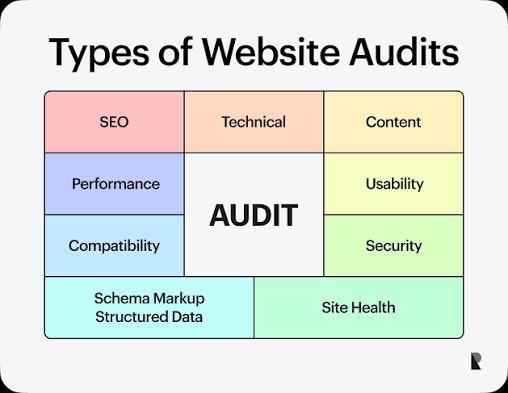
A technical audit is a full health check of your site’s backend. It reviews crawlability, indexing, speed, security, and site structure to spot issues that hurt your rankings and traffic.
How often should you run a technical SEO audit?
Run a full audit every three to six months. For larger or fast-changing sites, monthly mini-checks catch new problems early and keep your site health strong.
What tools do you need for a technical SEO audit?
Start with free tools like Google Search Console and PageSpeed Insights. Add crawlers like Screaming Frog or Semrush Site Audit for deeper, page-by-page insights.
How long does a technical SEO audit take?
A small site takes a few hours. A large e-commerce store can take several days, depending on page count and the depth of issues you find.
Can I do a technical SEO audit myself?
Yes! Beginners can handle the basics with the right checklist. For deeper fixes or big sites, working with an SEO expert saves time and delivers faster results.
Conclusion
A healthy website is the engine behind every successful search strategy. Fix the technical foundation, and everything else, from content to conversions, works harder for you! This website technical audit checklist gives you a clear, practical path to spot problems and solve them fast.
Start with the basics: crawlability, speed, and mobile-friendliness. Then move through security, sitemaps, URLs, internal links, and structured data. Each fix adds up to a faster, cleaner, more trustworthy site that both Google and your customers love.
You don’t need to tackle everything in one day. Work through the list step by step, track your wins, and watch your visibility grow. Better rankings, more traffic, and real conversions are the reward!
Need a hand turning these checks into measurable growth? A dedicated SEO team can audit, fix, and monitor your site while you focus on running your business. Start your audit today!