
Now Reading: HR Software Solutions That Help Businesses Grow Faster in 2026
-
01
HR Software Solutions That Help Businesses Grow Faster in 2026

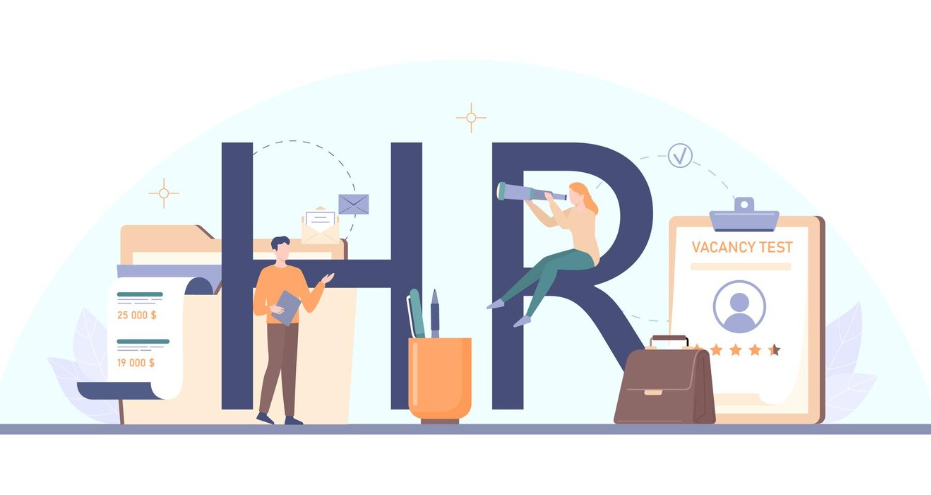
HR Software Solutions have become an essential part of modern business operations in 2026. Organizations of every size are investing in digital HR platforms to improve efficiency, simplify workforce management, and create better employee experiences. As businesses continue to adapt to changing workplace expectations, remote collaboration, automation, and data-driven decision-making, HR technology plays a central role in supporting sustainable growth.
Managing employees manually is no longer practical for companies that want to stay competitive. From recruitment and onboarding to payroll, attendance tracking, performance management, and employee engagement, HR software solutions automate repetitive tasks while reducing errors and saving valuable time. This allows HR professionals to focus on strategic initiatives such as talent development, leadership planning, and workplace culture.
Businesses that implement modern HR software often experience faster hiring, improved compliance, increased productivity, and better employee retention. Whether you operate a small startup, a growing mid-sized company, or a large enterprise, selecting the right HR software solution can significantly improve operational efficiency and business performance. This guide explores the benefits, features, trends, and best practices that make HR software solutions a smart investment for businesses looking to grow faster in 2026.
What Are HR Software Solutions?
HR software solutions are digital platforms designed to simplify and automate human resource management. These systems centralize employee information and streamline everyday HR processes through a single dashboard.
Most modern HR platforms combine multiple functions, including:
- Employee database management
- Recruitment and applicant tracking
- Digital onboarding
- Attendance and leave management
- Payroll processing
- Performance management
- Employee self-service portals
- Learning and development
- HR reporting and analytics
Instead of managing multiple spreadsheets and paperwork, organizations can handle all HR activities from one secure platform.
Why HR Software Matters in 2026
The workplace continues to evolve rapidly. Hybrid work, remote teams, automation, artificial intelligence, and changing employee expectations require HR departments to become more agile.
Modern HR software helps organizations:
- Improve operational efficiency
- Reduce administrative workload
- Make faster hiring decisions
- Increase employee satisfaction
- Ensure compliance with labor regulations
- Support long-term business growth
Businesses that invest in HR technology gain a competitive advantage by making better workforce decisions based on accurate, real-time data.
Key Features of Modern HR Software Solutions
Employee Information Management
A centralized employee database keeps all workforce records organized and secure. HR teams can easily access employee profiles, contracts, certifications, and employment history without searching through physical files.
Benefits include:
- Faster record management
- Better data accuracy
- Improved security
- Simplified document storage
Recruitment and Applicant Tracking
Hiring top talent has become increasingly competitive. HR software helps businesses manage recruitment from job posting to candidate selection.
Common recruitment features include:
- Job posting management
- Resume screening
- Interview scheduling
- Candidate communication
- Hiring workflow automation
These tools shorten hiring cycles while improving candidate experience.
Digital Employee Onboarding
A smooth onboarding process improves employee engagement from the first day.
Modern onboarding tools provide:
- Digital document signing
- Company policy sharing
- Training schedules
- Welcome checklists
- Equipment assignment tracking
New employees become productive much faster with structured onboarding.
Attendance and Leave Management
Tracking attendance manually often leads to mistakes.
HR software automates:
- Time tracking
- Shift scheduling
- Leave requests
- Overtime calculations
- Holiday management
Managers receive real-time visibility into employee availability and attendance patterns.
Payroll Automation
Payroll remains one of the most important HR responsibilities.
Modern HR software simplifies payroll by automatically calculating:
- Salaries
- Bonuses
- Overtime
- Tax deductions
- Benefits
- Allowances
Automation minimizes payroll errors while ensuring employees are paid accurately and on time.
Performance Management
Performance reviews have evolved beyond annual evaluations.
Today’s HR software supports:
- Continuous feedback
- Goal setting
- KPI tracking
- Performance reviews
- Employee development plans
Managers can identify strengths, recognize achievements, and address performance challenges more effectively.
Learning and Development
Employee development contributes directly to business growth.
Many HR platforms now include learning management features that support:
- Online training
- Skills assessments
- Certification tracking
- Leadership development
- Career progression planning
Continuous learning helps organizations build future-ready workforces.
Benefits of HR Software Solutions for Business Growth
Increased Productivity
Automation reduces repetitive administrative work, allowing HR professionals to focus on strategic initiatives rather than paperwork.
Employees also spend less time completing manual HR tasks through self-service portals.
Faster Recruitment
Hiring delays can slow business growth.
HR software speeds up recruitment by:
- Automating resume screening
- Organizing interviews
- Tracking applicants
- Improving communication
This helps companies secure top talent before competitors.
Better Employee Experience
Employees appreciate quick access to information.
Self-service features allow staff to:
- Update personal information
- Download payslips
- Request leave
- Access company policies
- View benefits
Improved convenience increases employee satisfaction.
Improved Compliance
Labor laws continue to change across industries.
HR software helps organizations maintain compliance through:
- Automated recordkeeping
- Policy management
- Audit trails
- Document storage
- Compliance reporting
Businesses reduce legal risks while maintaining accurate employee records.
Smarter Decision Making
HR analytics provide valuable workforce insights.
Businesses can monitor:
- Employee turnover
- Hiring trends
- Attendance patterns
- Productivity metrics
- Training effectiveness
- Workforce costs
These insights support more informed business decisions.
How AI Is Improving HR Software in 2026
Artificial intelligence has become one of the biggest innovations in HR technology.
Modern HR software uses AI to:
- Screen resumes
- Recommend candidates
- Predict employee turnover
- Identify skills gaps
- Automate HR support
- Personalize employee learning
AI helps HR departments become more proactive while reducing manual effort.
Cloud-Based HR Software Advantages
Cloud technology has transformed HR management.
Cloud HR software offers:
- Remote accessibility
- Automatic updates
- Strong security
- Easy scalability
- Lower IT costs
- Faster implementation
Businesses can manage employees from anywhere using secure internet access.
HR Software for Small Businesses
Small businesses often assume HR software is only for large enterprises.
However, affordable HR platforms provide valuable benefits such as:
- Simple employee management
- Automated payroll
- Attendance tracking
- Digital onboarding
- Recruitment support
As businesses grow, cloud-based HR systems can easily scale without major infrastructure investments.
HR Software for Large Enterprises
Enterprise organizations require advanced workforce management capabilities.
Large companies benefit from:
- Multi-location management
- Advanced reporting
- Workforce planning
- Enterprise payroll
- Compliance management
- Integration with ERP systems
These capabilities help manage thousands of employees efficiently.
Choosing the Right HR Software Solution
Selecting the right HR software requires careful planning.
Businesses should evaluate:
Ease of Use
A simple interface encourages higher adoption among employees and HR teams.
Scalability
Choose software that supports future business growth without requiring complete replacement.
Integration
Modern HR software should integrate with:
- Payroll systems
- Accounting software
- ERP platforms
- Communication tools
- Learning systems
Integration eliminates duplicate data entry.
Security
Employee data contains sensitive information.
Look for features such as:
- Data encryption
- Role-based permissions
- Multi-factor authentication
- Secure cloud storage
- Regular backups
Customer Support
Reliable customer support helps businesses resolve technical issues quickly and maximize software value.
Common Challenges During HR Software Implementation
Although HR software offers many benefits, implementation requires careful planning.
Common challenges include:
- Employee resistance to change
- Data migration
- User training
- Process redesign
- System integration
Businesses can overcome these challenges through proper planning, communication, and ongoing support.
Best Practices for Successful Implementation
Successful implementation starts with clear goals.
Recommended best practices include:
- Define business objectives
- Involve HR and department managers
- Train employees thoroughly
- Clean existing employee data
- Test workflows before launch
- Monitor user adoption
- Collect employee feedback
Continuous improvement ensures organizations maximize return on investment.
HR Software Trends Shaping 2026
Several emerging trends continue to shape HR technology.
AI-Powered Recruitment
Artificial intelligence improves candidate matching and hiring accuracy.
Predictive Workforce Analytics
Businesses use predictive insights to anticipate staffing needs and employee turnover.
Employee Wellness Integration
HR platforms increasingly include wellness tracking, mental health resources, and engagement tools.
Mobile HR Applications
Employees can complete HR tasks directly from smartphones.
Personalized Learning
Training recommendations are tailored to individual career goals and skill development.
Advanced Employee Self-Service
Self-service portals continue expanding with automation and AI-powered virtual assistants.
Measuring HR Software Success
Organizations should track measurable outcomes after implementation.
Important performance indicators include:
- Time-to-hire
- Employee retention
- Payroll accuracy
- Attendance compliance
- Employee engagement
- HR process completion time
- Training completion rates
- Recruitment cost reductions
Monitoring these metrics helps businesses continuously optimize HR operations.
The Future of HR Software
The future of HR software focuses on automation, personalization, and intelligent decision-making.
Future platforms will likely include:
- More advanced AI assistants
- Predictive workforce planning
- Voice-enabled HR services
- Deeper employee analytics
- Enhanced cybersecurity
- Greater automation across HR functions
As technology evolves, HR professionals will spend less time on administrative work and more time building stronger, more productive organizations.
Conclusion
HR Software Solutions have become one of the most valuable investments businesses can make in 2026. They simplify HR operations, improve employee experiences, automate routine tasks, and provide the insights organizations need to make smarter workforce decisions. From recruitment and onboarding to payroll, performance management, compliance, and employee development, modern HR platforms support every stage of the employee lifecycle.
Whether serving a small business seeking greater efficiency or a large enterprise managing a global workforce, the right HR software creates measurable improvements in productivity, accuracy, and employee satisfaction. As artificial intelligence, cloud computing, and advanced analytics continue to evolve, HR software will play an even greater role in helping businesses attract talent, retain employees, and achieve sustainable growth. Companies that embrace these technologies today will be better positioned to compete, innovate, and grow faster in the years ahead.