
Now Reading: Why Custom Apparel Builds Stronger Brand Identity
-
01
Why Custom Apparel Builds Stronger Brand Identity

Brand identity used to be built mostly on logos, taglines, and ads. That model still exists, but it’s lost ground to something more direct. Custom apparel has become one of the most-used tools for actually putting brand identity into the world because it does what advertising can’t. It puts the brand on bodies, in real places, in front of real people, every day.
A logo in a magazine gets seen once and forgotten. A logo on a tee gets seen by everyone the wearer crosses paths with that day, then again the next day, then again the next time someone digs it out of the drawer. The math works differently.
Here’s why custom apparel has become central to brand building and what makes it actually effective.
Brand Identity Lives in Visibility
Recognition is the first step in any brand identity. People can’t connect with a brand they’ve never seen. The traditional channels for building recognition, like TV, print, and outdoor ads, have lost a lot of their impact. People skip ads, scroll past them, or never see them in the first place.
Apparel solves this. A tee in a city is seen by everyone walking down the street. A hat at a coffee shop is seen by everyone in line. A hoodie on a college campus is seen by hundreds of people in a single day. The exposure adds up fast and it doesn’t cost anything beyond the original purchase.
The other thing that matters is repetition. Brand recognition needs people to see the mark multiple times before it sticks. Apparel does this automatically because the same shirt gets worn dozens of times.
Wearable Means Personal
Buying and wearing a brand’s apparel is a stronger signal than almost any other form of consumer behavior. People put clothes on their bodies. They take care to pick what they wear because clothing communicates who they are.
When a customer chooses to wear your brand, they’re saying that brand fits into their personal identity. That’s a much deeper relationship than seeing a logo on a billboard. It also means the customer becomes part of the marketing without being paid to be.
This is part of why streetwear has done so well as a category. The brands that lean into custom apparel as identity, not just merchandise, build communities of people who actively want to display the brand. Bel LLC is an example of this in the Baltimore streetwear space. People who connect with the brand wear the apparel as a way of saying something about themselves and the city they’re from, which makes the brand visible across a wider area than its actual physical reach.
Quality Signals Are Real Signals
Custom apparel only builds identity well if the quality matches the message. Cheap printed tees that fade after three washes do more damage than good. The customer associates the brand with poor quality, and they stop wearing the piece, which kills the visibility.
Brands that invest in heavier fabric, better printing techniques, and considered fits get more out of every piece sold. A heavyweight cotton tee with a screen-printed graphic that holds up for years builds the brand every time it’s worn. A thin tee with a heat-transfer graphic that peels off in a month damages it.
The cost difference between cheap and quality apparel isn’t huge for the manufacturer. The brand identity difference is enormous.
Design Tells the Story
The actual design on the apparel is where brand identity gets communicated. This is where a lot of brands get it wrong.
The strongest custom apparel uses design that means something to the people who wear it. References to local culture, shared experiences, inside knowledge, or values the brand actually holds work much better than generic logos slapped on a tee.
A piece that says something about a specific city, a specific community, or a specific moment lands harder than one that’s just brand promotion. The wearer feels like part of something. The viewer can read what the design is saying. The brand gets credit for being culturally connected, not just commercial.
It Costs Less Than People Think
Custom apparel has become much more accessible in the last few years. Print-on-demand services let brands offer custom pieces without holding inventory. Small batch production lets brands release limited runs without massive upfront investment.
The result is that even small brands can build full apparel lines without millions in capital. This has opened the door for independent brands to compete with major labels on the strength of their design and cultural connection rather than their advertising budget.
For brands at any size, custom apparel is one of the cheapest brand-building moves available. The pieces themselves can be sold at margin, which means the brand makes money while also marketing itself.
What to Put on Apparel
Not every brand should put its logo on a hoodie. The brands that get the most out of custom apparel think carefully about what to put on each piece.
For lifestyle brands, the design itself should be wearable. People don’t want to be billboards for brands they don’t care about. They do want to wear pieces with good design. Lead with design, integrate the brand subtly through a small logo on the chest, sleeve, or label.
For service businesses, custom apparel can work as both team uniform and customer takeaway. Branded pieces that staff wear daily get the brand seen across the city. Pieces that customers receive as gifts or perks become free advertising in the customer’s daily life.
For event brands, custom apparel works as memory and identity. The tee from a specific event becomes a way to mark that you were there, and it keeps the brand in circulation long after the event ends.
City-Based Branding
One of the most effective forms of custom apparel branding right now is city-based. Brands tied to a specific place build deep loyalty within that place and curiosity from outside it.
A piece of apparel that references Baltimore is interesting to a Baltimore native because it speaks to their identity. It’s also interesting to someone from somewhere else because it gives them a window into a place they might not know.
This is part of why independent local brands have grown so fast. They’re solving for identity and curiosity at the same time. The customer gets to wear something that means something, and the brand gets to spread its identity through the customer’s daily life.
Beyond Tees
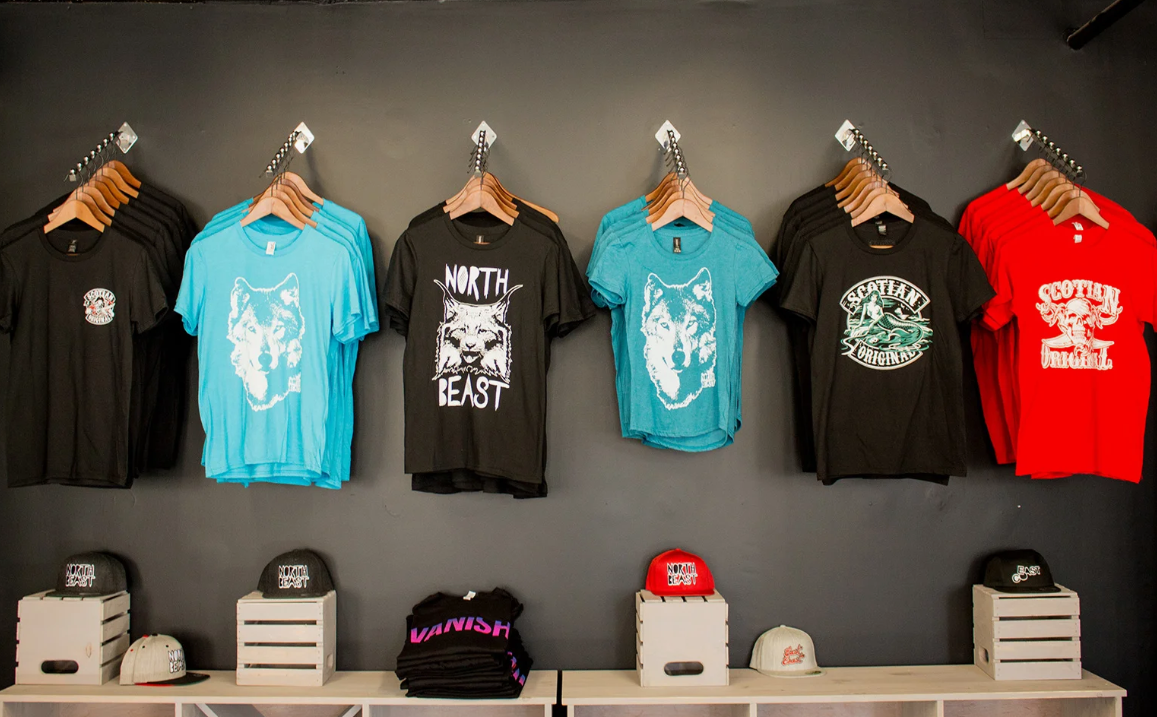
The apparel category has expanded well beyond t-shirts. Caps, hoodies, sweatshirts, tote bags, jackets, and even accessories like socks and beanies are all part of the custom apparel space now.
Each format has different strengths. Caps get worn often and are seen above the crowd. Hoodies get worn for hours and create deep brand association. Totes carry the brand into bookstores, coffee shops, and offices. Each piece extends the brand’s identity into different parts of daily life.
The brands building strong identities now use multiple formats together. A consistent design language across tees, hats, hoodies, and accessories creates a recognizable visual world that the customer can choose to be part of.
Final Note
Custom apparel works for brand identity because it puts the brand into real life rather than asking real life to come find the brand. It’s worn, seen, and re-worn. It signals personal identity for the wearer and brand identity for everyone who sees it.
The brands doing this well treat apparel as design first and branding second. They invest in real quality, lean into cultural connection, and let the customer be the carrier of the brand rather than the target of it.
That’s the model that’s working now and it’s likely to keep working as long as people keep getting dressed.