Now Reading: Understanding Postpartum Anxiety Symptoms and Signs of Postpartum Anxiety: What New Mothers Should Know
-
01
Understanding Postpartum Anxiety Symptoms and Signs of Postpartum Anxiety: What New Mothers Should Know
Understanding Postpartum Anxiety Symptoms and Signs of Postpartum Anxiety: What New Mothers Should Know

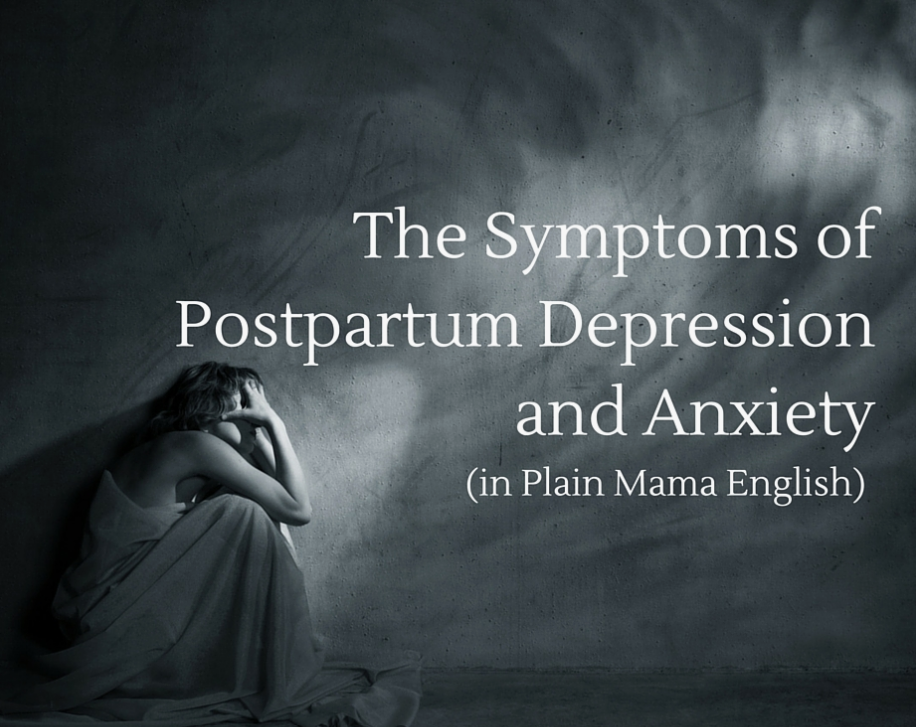
The transition into motherhood is often described as one of the most profound and life-changing experiences a person can go through. While many expect joy and bonding with a newborn, the emotional reality can be far more complex. Alongside the well-known concept of postpartum depression, many women also experience postpartum anxiety symptoms that can be just as distressing, but are often overlooked or misunderstood.
Recognizing the signs of postpartum anxiety early is essential for recovery, emotional well-being, and the ability to fully enjoy motherhood. This article explores what postpartum anxiety is, what it looks like, why it happens, and how it can be managed.
What Is Postpartum Anxiety?
Postpartum anxiety is a mental health condition that occurs after childbirth and is characterized by excessive worry, fear, and persistent feelings of unease. Unlike normal new-parent concerns—such as checking on a baby during sleep or worrying about feeding—postpartum anxiety becomes overwhelming, constant, and difficult to control.
It can begin shortly after delivery or develop gradually over the first year after childbirth. While it is less discussed than postpartum depression, research suggests it is just as common.
Understanding postpartum anxiety symptoms is the first step toward identifying when normal concern turns into a clinical issue.
Common Postpartum Anxiety Symptoms
Postpartum anxiety can manifest in both emotional and physical ways. Symptoms may vary from person to person, but common patterns include:
1. Persistent and Excessive Worry
One of the most noticeable postpartum anxiety symptoms is constant worry about the baby’s health, safety, or development. This worry often feels uncontrollable and may not be eased by reassurance.
2. Racing Thoughts
Many mothers experience a rapid stream of thoughts that are difficult to stop. These thoughts often focus on worst-case scenarios, such as the baby getting sick or something going wrong during sleep.
3. Sleep Difficulties
Even when the baby is sleeping, a mother with postpartum anxiety may struggle to fall asleep or stay asleep due to constant alertness and worry.
4. Physical Symptoms
Postpartum anxiety is not just emotional. It can cause physical signs such as:
- Rapid heartbeat
- Shortness of breath
- Dizziness
- Nausea
- Muscle tension
- Fatigue despite rest
5. Irritability and Restlessness
Feeling constantly “on edge” or unable to relax is another key symptom. Small noises or changes in the baby’s behavior may trigger intense reactions.
6. Intrusive Thoughts
Some mothers experience unwanted, disturbing thoughts about harm coming to the baby. These thoughts are distressing and not reflective of intent but are a recognized part of anxiety disorders.
Signs of Postpartum Anxiety That Others May Notice
While some symptoms are internal, there are also visible signs of postpartum anxiety that family members or friends might observe:
- Frequent checking on the baby (even when unnecessary)
- Avoiding leaving the baby with others due to fear
- Difficulty making decisions
- Repeated reassurance-seeking (“Is the baby okay?”)
- Emotional overwhelm or tearfulness
- Trouble focusing or completing daily tasks
- Overprotectiveness or constant monitoring
These behaviors are often driven by fear rather than logic and may increase over time if untreated.
Causes and Risk Factors
There is no single cause of postpartum anxiety. Instead, it develops from a combination of biological, psychological, and environmental factors.
Hormonal Changes
After childbirth, estrogen and progesterone levels drop significantly. These hormonal shifts can affect brain chemistry and mood regulation.
Sleep Deprivation
Newborn care often involves disrupted sleep, which can worsen anxiety and reduce emotional resilience.
Personal or Family History
Women with a history of anxiety, depression, or other mental health conditions are at higher risk of developing postpartum anxiety.
High Stress or Life Changes
Financial stress, lack of support, relationship challenges, or difficult birth experiences can increase vulnerability.
Perfectionism or High Expectations
Mothers who place intense pressure on themselves to “do everything right” may be more prone to anxiety.
How Postpartum Anxiety Affects Daily Life
When untreated, postpartum anxiety can interfere with both maternal well-being and family life. It may lead to:
- Difficulty bonding with the baby due to constant worry
- Exhaustion from lack of restful sleep
- Strained relationships with partners or family members
- Reduced confidence in parenting abilities
- Social withdrawal and isolation
Understanding the postpartum anxiety symptoms early helps prevent these effects from becoming more severe.
Diagnosis and When to Seek Help
Postpartum anxiety is diagnosed by a healthcare provider based on symptoms, duration, and impact on daily life. There is no lab test for it, so open communication with a doctor is essential.
You should seek help if:
- Anxiety interferes with daily functioning
- Symptoms last more than two weeks
- Worry feels uncontrollable or overwhelming
- You experience panic attacks or intrusive thoughts
- You feel unable to relax even in safe situations
Early support leads to faster recovery and better outcomes.
Treatment Options for Postpartum Anxiety
The good news is that postpartum anxiety is treatable, and most women recover fully with appropriate care.
1. Therapy
Cognitive Behavioral Therapy (CBT) is one of the most effective treatments. It helps identify and change negative thought patterns.
2. Medication
In some cases, doctors may prescribe anti-anxiety or antidepressant medications that are safe for breastfeeding mothers.
3. Support Groups
Connecting with other new mothers can reduce feelings of isolation and provide emotional reassurance.
4. Lifestyle Adjustments
Small changes can significantly reduce symptoms:
- Prioritizing sleep when possible
- Accepting help from others
- Reducing caffeine intake
- Practicing relaxation techniques
5. Mindfulness and Relaxation Techniques
Deep breathing, meditation, and gentle yoga can help regulate the nervous system and reduce anxiety levels.
Coping Strategies at Home
In addition to professional treatment, there are practical steps that can help manage postpartum anxiety symptoms:
- Set realistic expectations for yourself
- Limit exposure to negative online content
- Take short breaks away from baby care when possible
- Talk openly with a trusted partner or friend
- Focus on small daily wins instead of perfection
Recovery is gradual, and progress may come in small steps.
Conclusion
Experiencing postpartum anxiety symptoms does not mean a mother is failing or incapable—it means she is going through a real and treatable health condition. Recognizing the signs of postpartum anxiety early can make a significant difference in recovery and overall well-being.
With the right support system, professional care, and self-compassion, new mothers can overcome postpartum anxiety and fully embrace the journey of motherhood with confidence and peace of mind.
If you or someone you know is struggling, reaching out for help is the most important and powerful first step.