
Now Reading: Top Payroll Software Trends Businesses Should Watch in 2026
-
01
Top Payroll Software Trends Businesses Should Watch in 2026


Payroll management continues to evolve as businesses adapt to changing workforce expectations, government regulations, and technological advancements. In 2026, payroll software is no longer just a tool for calculating salaries and taxes. It has become a strategic business solution that supports compliance, employee satisfaction, workforce management, and financial planning.
Organizations of all sizes are investing in modern payroll platforms that automate repetitive tasks, improve accuracy, and provide real-time insights. As companies embrace digital transformation, understanding the latest payroll software trends can help them stay competitive and efficient.
This article explores the top payroll software trends businesses should watch in 2026 and how these innovations are shaping the future of workforce management.
The Growing Importance of Modern Payroll Software
Payroll is one of the most critical business functions. Employees expect accurate and timely payments, while governments require strict compliance with tax and labor regulations. Any payroll errors can lead to financial penalties, employee dissatisfaction, and reputational damage.
Modern payroll software addresses these challenges by automating processes, reducing manual work, and ensuring compliance. In 2026, businesses are increasingly relying on advanced payroll systems to improve operational efficiency and support workforce growth.
AI-Powered Payroll Automation
Artificial intelligence is becoming a major force in payroll management. In 2026, AI-driven payroll software is helping businesses automate complex calculations, identify discrepancies, and improve decision-making.
Key Benefits of AI in Payroll
- Automatic payroll calculations
- Error detection and correction
- Tax compliance monitoring
- Employee payment forecasting
- Smart reporting and analytics
AI-powered systems can analyze payroll data in real time and flag unusual transactions before payroll processing is completed. This reduces costly mistakes and saves valuable administrative time.
Businesses that adopt AI-based payroll solutions can streamline operations while improving accuracy and compliance.
Real-Time Payroll Processing
Traditional payroll cycles often involve weekly, biweekly, or monthly payment schedules. However, employee expectations are changing rapidly.
Real-time payroll processing is emerging as a significant trend in 2026. Advanced payroll software allows employers to calculate earnings instantly and process payments faster than ever before.
Why Real-Time Payroll Matters
- Improved employee satisfaction
- Reduced payroll processing delays
- Better financial visibility
- Faster issue resolution
- Enhanced workforce trust
Organizations are using real-time payroll systems to provide greater transparency and flexibility while maintaining compliance with financial regulations.
On-Demand Pay and Earned Wage Access
Employees increasingly want access to their earned wages before scheduled payday. As a result, earned wage access (EWA) and on-demand pay features are becoming standard offerings in payroll software.
Benefits of On-Demand Pay
- Improved employee financial wellness
- Reduced financial stress
- Higher employee retention
- Increased workforce productivity
- Better recruitment outcomes
Payroll software providers are integrating earned wage access solutions directly into their platforms, allowing employees to withdraw a portion of earned wages when needed.
This trend is particularly important for industries with hourly workers, such as retail, hospitality, healthcare, and logistics.
Cloud-Based Payroll Solutions Continue to Dominate
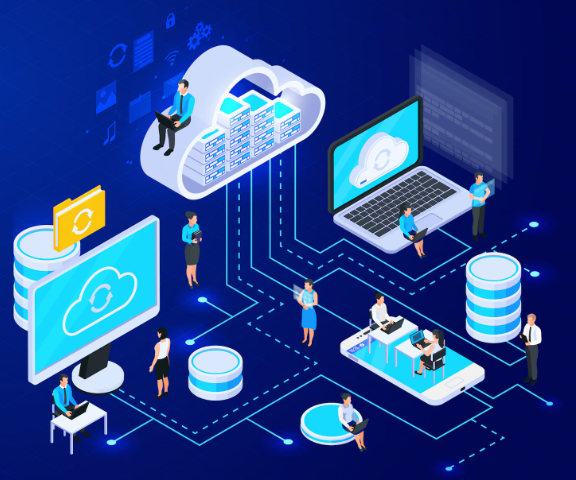
Cloud technology remains one of the most influential payroll software trends in 2026. Businesses are moving away from traditional on-premise systems in favor of cloud-based payroll platforms.
Advantages of Cloud Payroll Software
- Remote accessibility
- Automatic updates
- Improved data security
- Lower infrastructure costs
- Easy scalability
Cloud payroll systems allow HR teams and finance departments to manage payroll from any location while ensuring data remains secure and up to date.
As remote and hybrid work models continue to expand, cloud payroll solutions have become essential for modern workforce management.
Enhanced Payroll Compliance Automation
Payroll regulations continue to become more complex across multiple jurisdictions. Businesses operating in different regions face increasing challenges related to taxes, labor laws, and reporting requirements.
In 2026, payroll software is focusing heavily on automated compliance management.
Compliance Features Gaining Popularity
- Automatic tax updates
- Labor law monitoring
- Regulatory reporting
- Audit trail generation
- Compliance alerts
Modern payroll platforms can automatically adjust payroll calculations based on changing tax rates and employment laws, reducing compliance risks for businesses.
Automated compliance tools help organizations avoid penalties while maintaining accurate payroll records.
Integration with HR and Workforce Management Systems
Payroll software is becoming part of a larger business ecosystem. In 2026, seamless integration with HR, accounting, benefits, and workforce management systems is a major trend.
Common Payroll Integrations
- Human resources software
- Time and attendance tracking
- Accounting platforms
- Employee benefits systems
- Recruitment software
Integrated platforms eliminate duplicate data entry and create a unified view of workforce operations.
Businesses benefit from improved efficiency, better reporting, and more accurate employee records across departments.
Data Analytics and Payroll Intelligence
Payroll data contains valuable business insights. Advanced analytics tools are transforming payroll software into a strategic decision-making resource.
Payroll Analytics Capabilities
- Labor cost analysis
- Overtime tracking
- Workforce planning
- Compensation benchmarking
- Budget forecasting
Organizations can use payroll intelligence to identify spending trends, optimize staffing levels, and improve financial planning.
In 2026, data-driven payroll management is becoming increasingly important for businesses seeking operational efficiency and profitability.
Mobile Payroll Management
Mobile accessibility is now a standard expectation for both employers and employees.
Payroll software providers are investing heavily in mobile applications that allow users to access payroll information anytime and anywhere.
Popular Mobile Payroll Features
- Digital payslips
- Tax document access
- Time tracking
- Leave management
- Payroll approvals
Managers can review and approve payroll on mobile devices, while employees can access earnings information without contacting HR departments.
Mobile payroll solutions improve convenience, communication, and employee engagement.
Increased Focus on Payroll Security
Cybersecurity threats continue to rise, making payroll security a top priority in 2026.
Payroll systems contain sensitive employee information, including salaries, tax records, banking details, and personal identification data.
Security Features Leading the Industry
- Multi-factor authentication
- Data encryption
- Biometric verification
- Role-based access controls
- Continuous threat monitoring
Payroll software vendors are strengthening security frameworks to protect organizations from data breaches and cyberattacks.
Businesses are prioritizing solutions that provide enterprise-grade security while maintaining ease of use.
Support for Global Payroll Management
As businesses expand internationally, managing payroll across multiple countries becomes increasingly complex.
Global payroll capabilities are a growing trend in 2026, allowing organizations to handle international workforces through a single platform.
Features of Global Payroll Software
- Multi-country payroll processing
- Currency conversion
- International tax compliance
- Local labor law support
- Centralized reporting
Companies can manage employees across various regions while maintaining consistency and compliance.
Global payroll platforms are especially valuable for multinational organizations and businesses hiring remote international talent.
Employee Self-Service Portals
Employee self-service functionality continues to gain popularity in payroll software.
These portals allow employees to manage personal information and access payroll-related documents independently.
Self-Service Features Include
- Updating personal details
- Viewing payslips
- Downloading tax forms
- Managing direct deposit information
- Tracking leave balances
Self-service tools reduce administrative workloads while empowering employees with greater control over their information.
This trend improves efficiency and enhances the overall employee experience.
Payroll and Financial Wellness Integration
Employee financial wellness is becoming a significant focus for employers.
Payroll software providers are incorporating financial wellness tools directly into their platforms.
Financial Wellness Features
- Budget planning resources
- Savings programs
- Retirement contribution tracking
- Financial education tools
- Debt management support
These features help employees make informed financial decisions while supporting long-term financial stability.
Businesses that invest in employee financial wellness often experience higher engagement and retention rates.
Sustainability and Paperless Payroll
Environmental sustainability remains a growing concern for organizations worldwide.
Payroll software is supporting sustainability initiatives through digital-first processes.
Paperless Payroll Benefits
- Reduced paper consumption
- Lower administrative costs
- Faster document access
- Improved record management
- Enhanced environmental responsibility
Digital payslips, electronic tax forms, and cloud document storage are helping businesses reduce their environmental impact while increasing efficiency.
Paperless payroll practices are expected to become standard across industries in 2026.
Predictive Payroll Technology
Predictive analytics is taking payroll software to the next level.
Modern systems can forecast future payroll expenses and identify potential workforce challenges before they occur.
Predictive Payroll Applications
- Labor cost forecasting
- Overtime prediction
- Staffing requirement analysis
- Budget planning
- Workforce optimization
Businesses can use predictive insights to improve financial planning and make more informed workforce decisions.
As AI technology advances, predictive payroll capabilities will become even more sophisticated.
Industry-Specific Payroll Solutions
Generic payroll systems are gradually giving way to industry-focused solutions.
In 2026, payroll providers are developing specialized software tailored to specific sectors such as healthcare, construction, manufacturing, retail, and hospitality.
Benefits of Industry-Specific Payroll Software
- Customized workflows
- Sector-specific compliance tools
- Specialized reporting
- Better workforce management
- Improved operational efficiency
These tailored solutions help businesses address unique payroll challenges while improving overall productivity.
Conclusion
Payroll software is undergoing significant transformation in 2026, driven by advancements in artificial intelligence, cloud technology, data analytics, and employee-centered features. Businesses are increasingly seeking solutions that go beyond basic payroll processing to deliver automation, compliance, security, and strategic insights.
Key trends such as AI-powered automation, real-time payroll processing, earned wage access, cloud-based platforms, predictive analytics, and global payroll management are reshaping how organizations manage their workforce. At the same time, enhanced security measures, mobile accessibility, and employee self-service tools are improving both employer efficiency and employee satisfaction.
Companies that stay informed about these payroll software trends will be better positioned to streamline operations, reduce compliance risks, support workforce needs, and maintain a competitive advantage in an evolving business environment. Investing in modern payroll technology is no longer optional—it is a critical step toward future-ready business success.