

Now Reading: Watches for Kids Learning to Tell Time
-
01
Watches for Kids Learning to Tell Time

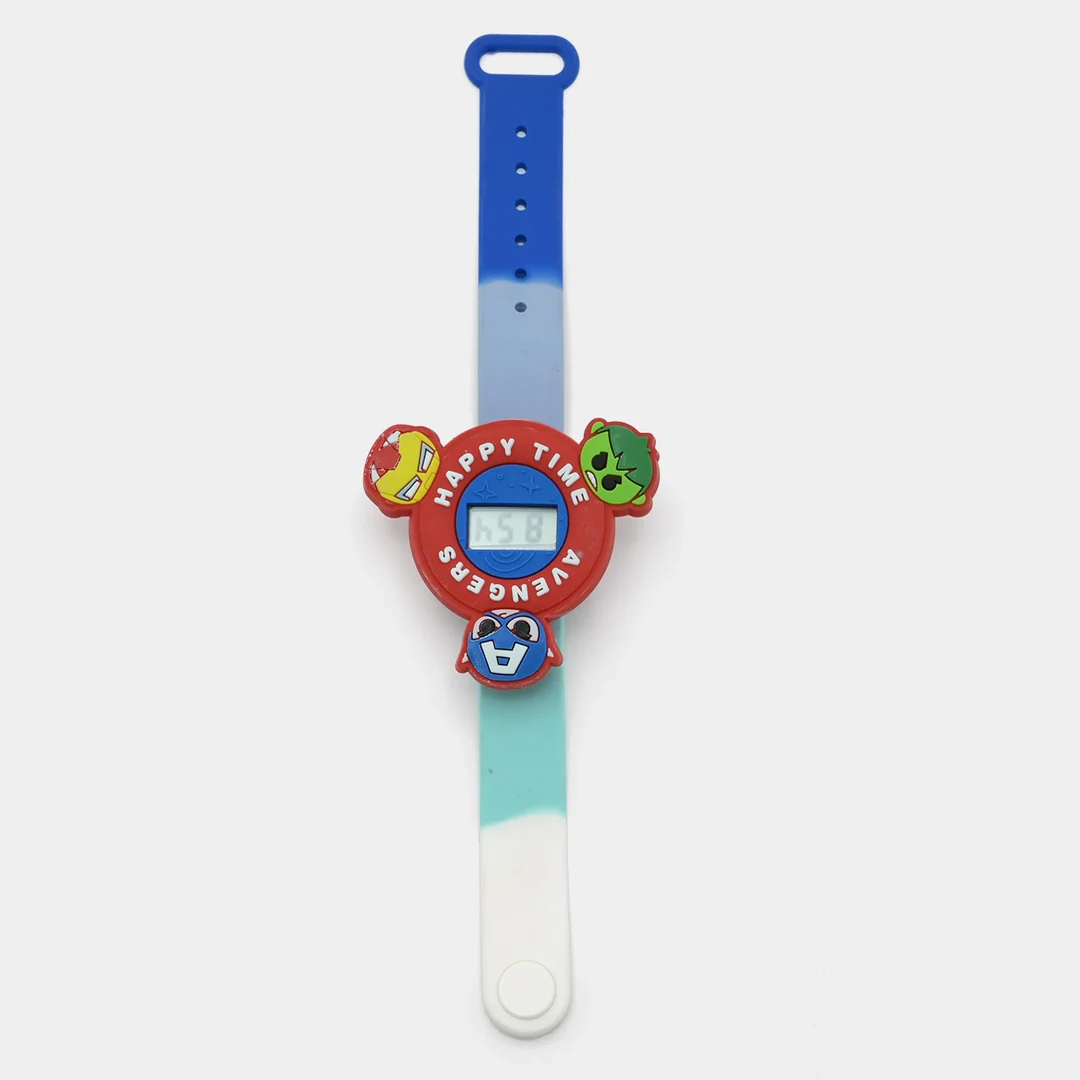
Learning to tell time is an important childhood skill that supports independence, routine, and time awareness. A watch can turn this lesson into a practical everyday activity by helping children connect numbers, hands, and time concepts with daily events. Watches for kids are available in simple designs that make reading the hour and minute hands easier for beginners. An age-appropriate watch can also encourage children to check the time during school, play, meals, and bedtime routines. With regular practice and clear guidance, wearing a watch can make learning to tell time more natural, engaging, and useful.
Why Learning to Tell Time Matters
Understanding time helps children develop a stronger sense of routine and responsibility. Reading an analog clock introduces important mathematical concepts, including numbers, counting, five-minute intervals, and basic fractions. Children also begin to understand how minutes fit into an hour and how hours fit into a day.
A watch makes these concepts part of everyday life. Instead of learning time only from a textbook or classroom clock, children can practice while getting ready for school, attending activities, eating meals, or preparing for bedtime. This repeated exposure can gradually improve confidence and accuracy.
How Watches for Kids Support Time Learning
Watches for kids can provide a simple and practical learning tool. An analog watch displays the hour and minute hands in a clear visual format, allowing children to connect clock positions with specific times.
For beginners, a watch with large numbers and clear hands can make reading easier. Minute markings around the dial can also help children understand five-minute intervals. Some educational watches include labels such as “o’clock,” “quarter past,” “half past,” and “quarter to,” making common time expressions easier to understand.
The physical size also matters. A lightweight watch with a comfortable strap can allow regular use without becoming distracting or uncomfortable.
Features That Make a Learning Watch Easier to Read
Several features can make a watch more suitable for children who are learning to tell time:
- Clear hour numbers: Large, easy-to-read numbers help beginners identify the hour quickly.
- Distinct hour and minute hands: Different shapes or lengths can make each hand easier to recognize.
- Minute markings: Markings around the dial support counting minutes in five-minute intervals.
- Simple dial design: Less visual clutter can make the learning process easier.
- Comfortable strap: A soft and adjustable strap supports regular wear.
- Durable construction: Children may wear watches during active daily routines, so durability is useful.
- Readable size: A dial that is too small can make learning unnecessarily difficult.
A simple design is often more helpful than a watch filled with unnecessary features when the main goal is learning.
Teaching the Hour Hand First
The hour hand is usually the best starting point for beginners. Children can first learn to recognize the numbers from one to twelve and understand that the shorter hand indicates the hour.
Simple examples can make the concept easier. When the short hand points directly at 3 and the long hand points at 12, the time is 3 o’clock. Repeating similar examples with different numbers helps establish the connection between the hand position and the hour.
Short practice sessions can be more effective than long lessons. A few minutes of daily practice can gradually build familiarity without making the activity feel like a difficult assignment.
Introducing the Minute Hand
Once the hour hand becomes familiar, attention can move to the minute hand. The long hand travels around the entire clock face during one hour, completing 60 minutes.
Children can start by learning that each large number represents five minutes. The sequence can be practiced as 5, 10, 15, 20, 25, and so on until 60. Minute markings between the numbers can then be introduced for more precise readings.
An educational watch with visible minute markers can make this stage easier. Associating each position with a real daily event, such as lunch at 12:30 or school starting at 8:00, can also help connect the lesson to everyday life.
Using Everyday Activities for Practice
Time learning becomes more meaningful when connected to familiar routines. A watch can be used during simple activities such as:
- Checking the time before school
- Reading the time before a meal
- Setting a time for outdoor play
- Checking the start of a favorite activity
- Preparing for bedtime
- Measuring how long a game lasts
- Practicing five-minute intervals during daily routines
These activities allow children to see why understanding time is useful rather than treating it as an isolated academic skill.
Analog Watches vs. Digital Watches for Learning
Digital watches show time in a straightforward numerical format, which can be helpful for children who already understand hours and minutes. However, analog watches provide a direct visual connection between the movement of the hands and the structure of an hour.
For children learning traditional clock reading, an analog face can offer stronger practice. Digital displays can still become useful later for reinforcing numerical time reading. Both formats can have value, but an analog watch is particularly useful during the early stages of learning how a clock works.
Making Time Practice Fun
Learning does not need to feel repetitive. Simple games can make practice more engaging. An adult can set a time on an analog watch and ask the child to identify it. Another activity can involve naming a daily event and asking what time it normally happens.
A “time challenge” can also encourage quick recognition. For example, several different times can be shown throughout the day, with points awarded for accurate answers. Matching activities can connect written times such as 4:30 with the correct position of the watch hands.
Positive encouragement is important. Mistakes are a normal part of learning, and repeated practice can gradually improve accuracy.
Safety and Comfort Considerations
A children’s watch should be comfortable and appropriate for everyday use. Adjustable straps can provide a better fit as children grow. Rounded edges and lightweight construction can also improve comfort during extended wear.
Water resistance may be useful for everyday situations such as hand washing or unexpected splashes, depending on the watch design. Durability is another practical consideration, particularly for children who participate in sports or outdoor activities.
The watch should also be easy to operate. Complicated settings can distract from the primary goal of learning to read time.
Building Independence Through Time Awareness
Knowing how to tell time can support independence in several areas of childhood. A child who understands the clock can begin to recognize when it is time to prepare for school, start homework, attend an activity, or get ready for bed.
A personal watch can reinforce this responsibility because the time is always available without needing to find a wall clock. Over time, this can encourage better awareness of schedules and help children understand the relationship between different activities throughout the day.
Watches for Kids as a Practical Learning Tool
The best learning tools often become part of normal daily life. Watches for kids can combine education with a practical object that children can use regularly. A clear analog face, comfortable design, visible numbers, and easy-to-understand minute markings can make the learning process more approachable.
Regular practice remains more important than advanced watch features. A simple watch paired with short lessons, everyday examples, and encouraging activities can provide an effective way to develop time-reading skills.
Bachaa Party: Making Everyday Learning More Meaningful
Bachaa Party offers a useful destination for children’s products that support everyday growth, learning, and development. A thoughtfully selected children’s watch can serve more than a functional purpose by helping introduce time management and independence through daily routines. For families looking for age-appropriate products, Bachaa Party provides a convenient way to explore children’s essentials in one place. Watches can become a practical part of school preparation, activity schedules, and routine building while also supporting early learning. Combining useful products with everyday learning opportunities can help children develop valuable skills in a natural and enjoyable way.