
Now Reading: Common Garage Door Problems Homeowners Face
-
01
Common Garage Door Problems Homeowners Face

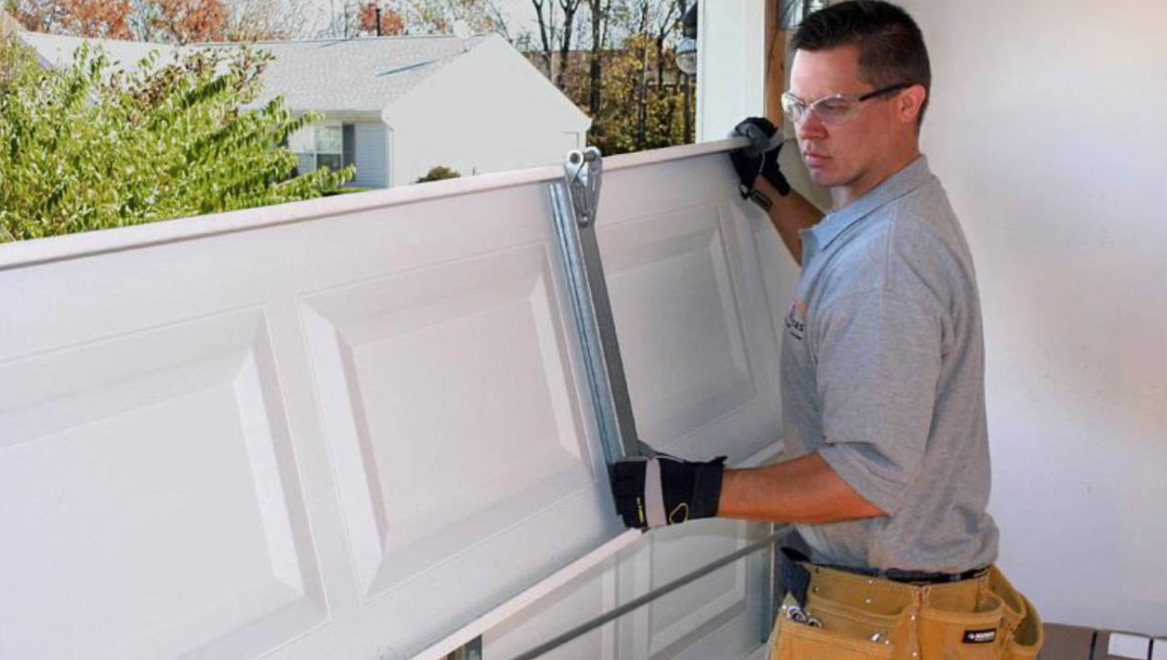
A garage door is one of the largest moving systems in a house, and it tends to get attention only when it stops working. For most homeowners, that day comes once every few years, and the problem usually announces itself loudly. A loud bang. A door that won’t close. A remote that suddenly refuses to do its job.
Knowing the common garage door problems and what they actually mean saves time when the call to a service is needed. Garage door repair providers across Nova Scotia, including Atlantic Door Repairs out of the Halifax region, see the same handful of issues come up over and over. Here are the ones that account for most service calls.
The Door Won’t Open or Close
This is the most reported issue. The button does nothing, the door sits there, and the homeowner stares at it wondering what to try first.
Dead Remote or Wall Button
The first check is the remote. Replace the battery. If the wall button works but the remote doesn’t, it’s a remote issue. If neither works, the problem is upstream.
Power Issues
Check that the opener is plugged in and the outlet has power. A tripped breaker or an unplugged opener accounts for more service calls than most people expect.
Disconnect Cord Pulled
The red emergency release cord disconnects the door from the opener. If someone pulled it (kids, an accidental tug, a previous power outage that wasn’t re-engaged), the opener will run but the door won’t move. Re-engage the carriage by pulling the cord toward the door and running the opener through a cycle.
Broken Spring
If you hear the opener motor running but the door doesn’t move, or you hear a loud bang followed by a heavy door, the spring is likely broken. Don’t try to operate the door. Call a garage door repair service like Atlantic Door Repairs to replace the spring safely.
Loud Noises During Operation
Garage doors should run with some sound but not a lot. Grinding, banging, screeching, or popping noises all point to specific issues.
Grinding or Squealing
Usually a lubrication issue. Hinges, rollers, and the spring need lubrication a few times a year with the right product. If lubrication doesn’t solve it, the rollers themselves may be worn out.
Popping or Banging
This often indicates panels coming out of square, hinges failing, or a section of the door becoming structurally compromised. The bang is the door flexing past its normal range. Call a service before something gives way.
Vibration & Rattling
Loose hardware throughout the door system. A homeowner can tighten visible nuts and bolts, but if the rattling continues, the underlying alignment may be off.
The Door Reverses Before Closing
A door that starts closing then reverses back up has its safety system activated. The system is doing its job, but something is causing it to engage when it shouldn’t.
Sensor Misalignment
The photo-eye sensors near the floor have to see each other. Bumped sensors, dirty lenses, or a misaligned bracket all cause this. Wipe the lenses, check that the indicator lights are solid (not blinking), and re-aim if needed.
Obstruction in the Path
Sometimes it’s something obvious (a bike, a pile of leaves), sometimes something less obvious (a hose lying across the threshold). Clear the path and try again.
Force Settings Off
The opener has force settings that tell it how much resistance to expect when closing. If those settings are off, the door reverses thinking it’s hit something. Adjustment is usually a screw on the back of the opener; the manual covers the procedure.
The Door Stops Halfway
A door that gets stuck mid-cycle has either a mechanical issue or an electrical one.
Track Obstruction
Something in the track (debris, a bent section, a dislodged roller) prevents the door from moving past a point. Visual inspection usually finds it.
Cable Off Drum
The lift cables run on drums at the top of the door. If a cable jumps the drum, the door can’t lift evenly. This needs a tech to repair safely.
Weak Spring
A spring near end of life may have enough tension to start the lift but not enough to finish it. The door rises a few feet and then sticks. Spring replacement is the fix.
Remote Control Won’t Work
Remotes are the most common point of frustration.
Battery
Always check first. Cold weather drains batteries faster, so winter remote failures often trace to a tired battery.
Range Issues
If the remote works from inside the garage but not from the driveway, the receiver antenna may be damaged or the remote itself losing range. Sometimes a reset and re-pair fixes it.
Programming Lost
After a power surge, openers sometimes lose remote programming. The procedure to reprogram is in the owner’s manual or available from the manufacturer’s website.
Slow or Sluggish Operation
A door that runs slower than it used to is showing wear somewhere.
Worn Rollers
Rollers that need replacement create drag. Replacing them is straightforward but takes a few hours.
Motor Strain
An aging opener motor may simply be slowing down. If the rest of the door runs cleanly, the motor itself may need replacement. Modern openers are quieter and more reliable than units from twenty years ago.
Track Friction
Dirt, bent track sections, or missing lubrication all add friction. Clean the tracks, lubricate properly, and check alignment.
Visible Damage to Panels or Hardware
Dents, cracks, bent panels, or rust on the door itself need assessment.
Cosmetic vs Structural
A dent from a basketball might be cosmetic. A bent panel from a vehicle impact often affects how the door tracks. A garage door repair service can advise on what’s repairable and what needs panel replacement.
Rust at the Bottom Rail
Coastal Nova Scotia homes see rust at the bottom of garage doors faster than inland properties. The salt air corrodes the bottom rail over years. Addressing rust early extends the life of the door significantly.
When to Handle It Yourself & When to Call
Some garage door problems are reasonable DIY territory. Battery replacements, sensor cleaning, hardware tightening, and lubrication all fall in that bucket.
Anything involving spring tension, cable replacement, opener internals, or track damage should go to a pro. Companies like Atlantic Door Repairs serving Halifax, Bedford, Dartmouth, and surrounding communities run trucks stocked for these calls and can usually resolve them in a single visit. The injury risk on DIY spring work alone justifies the service fee.
A garage door that gets attention when it first shows symptoms tends to stay reliable for the long haul. One that gets ignored until it fails outright takes longer to fix and costs more in the process.