
Now Reading: Insurance for Storage in USA & Canada: How It Works, Costs, and What Most Renters Miss
-
01
Insurance for Storage in USA & Canada: How It Works, Costs, and What Most Renters Miss
Insurance for Storage in USA & Canada: How It Works, Costs, and What Most Renters Miss

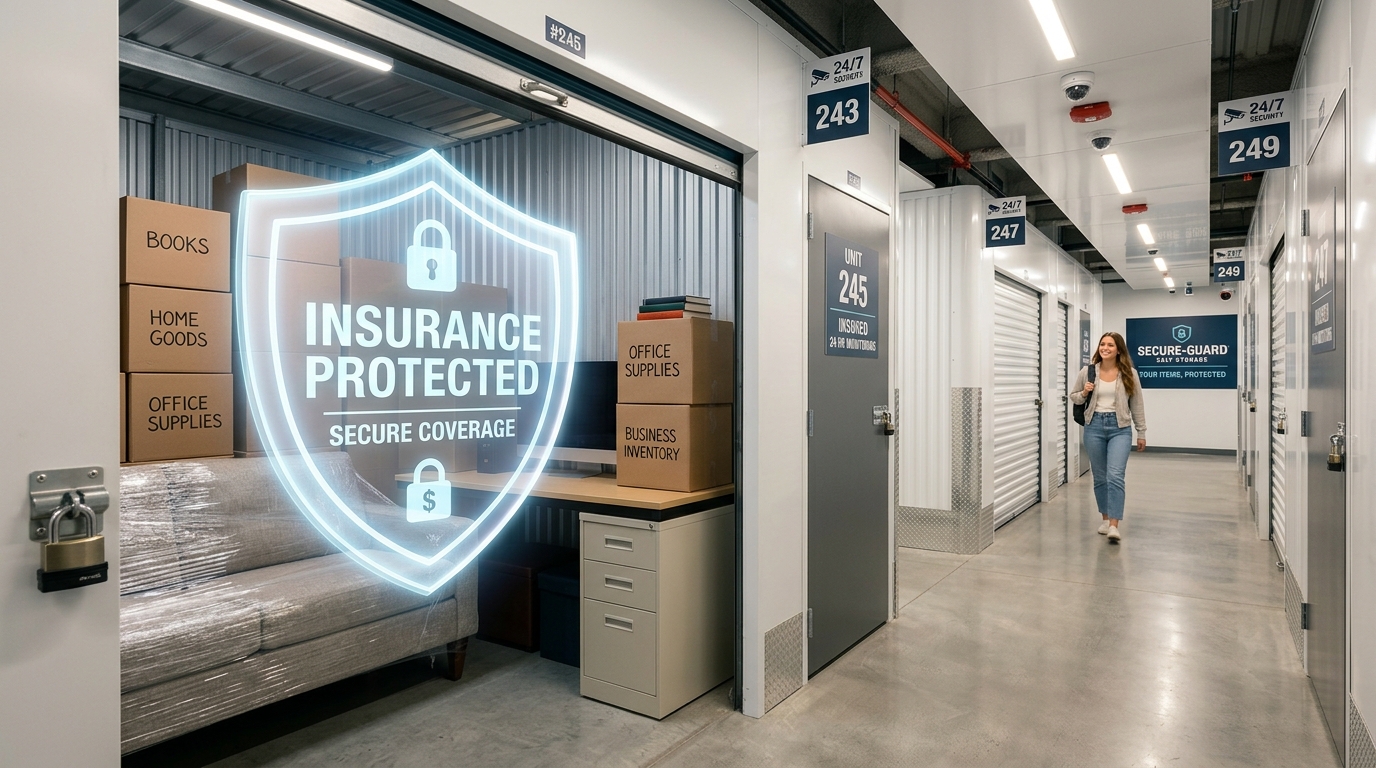
If you are renting a self-storage unit or using a mobile storage container, understanding insurance for storage is not optional, it is a key part of protecting your belongings. In both the USA and Canada, storage units are widely used for personal, business, and relocation needs, but many renters still assume their stored items are automatically covered. In reality, insurance for storage works differently and requires proper enrollment through specific programs or policies designed for off-site storage risks.
This guide explains how storage insurance works, what it typically covers, how it differs from home insurance, and why programs like Storage Protectors are becoming a standard in the industry.
What Insurance for Storage Actually Covers
At its core, insurance for storage is designed to protect belongings stored outside your home in a controlled facility or mobile container. Unlike traditional homeowners insurance, this coverage focuses on risks that are specific to storage environments.
Most storage insurance programs in the USA and Canada may include protection against:
- Fire and smoke damage
- Theft or burglary
- Vandalism
- Water damage from sudden or accidental events
- Windstorm or lightning
- Explosion or structural collapse
- Certain transit-related risks (if included in the policy)
However, coverage is always subject to policy terms, exclusions, and deductibles. For example, gradual damage, improper packing, or illegal storage items are typically not covered.
Why Storage Insurance Is Different from Home Insurance
One of the biggest misconceptions renters have is assuming their home insurance automatically protects stored goods. While some policies may extend limited coverage, it is often restricted by:
- Lower coverage limits for off-site storage
- Higher deductibles
- Limited protection for business items
- Exclusions for certain types of damage or locations
This is why dedicated insurance for storage programs exist—they are specifically designed for storage-related risks rather than residential coverage.
Storage insurance provides more direct protection because it is tailored for:
- Self-storage units
- Mobile storage containers
- Temporary relocation storage
- Business inventory storage
How Storage Protectors Makes Storage Insurance Easier
Modern storage insurance is often integrated directly into the rental process through programs like Storage Protectors. The Storage Protectors program helps storage operators offer tenant contents insurance and container damage waiver coverage in a simplified way.
Storage Protectors LLC acts as a program sponsor and brand name, but it is important to understand that it is not an insurance company. Coverage is provided under a master policy issued by Aspen Specialty Insurance Company, which is responsible for policy obligations and claims payment.
The program is administered by Complete Storage Insurance, LLC, a licensed insurance producer responsible for enrollment, offering coverage, and policy administration. Claims are handled by North American Risk Services (NARS), an independent claims administrator ensuring fair and structured claim processing.
In Canada, coverage support is extended through Wilson M. Beck Global Risks, ensuring compliance with Canadian insurance standards.
This structure allows renters in both the USA and Canada to access insurance for storage in a streamlined and regulated environment.
Types of Storage Insurance Coverage Explained
Understanding different coverage types helps renters choose the right protection level.
1. Tenant Contents Insurance
This is the most common form of insurance for storage. It protects personal or business property stored inside a unit or container.
Covered items may include:
- Furniture and household goods
- Electronics and appliances
- Clothing and personal items
- Business inventory and equipment
This coverage is especially important for people storing valuable or irreplaceable belongings.
2. Container Damage Waiver Insurance
This type of coverage protects mobile storage containers or trailers from structural damage. It typically includes:
- Accidental damage during use
- Damage during transport (depending on policy terms)
- Protection for rented storage units used off-site
However, cosmetic damage is usually excluded.
3. Transit Coverage (When Included)
Some insurance for storage programs also extend protection while belongings are in transit. This is particularly useful for:
- Long-distance moves
- Temporary relocation
- Business logistics storage
Transit coverage ensures protection beyond just the storage facility.
How Much Does Insurance for Storage Cost?
The cost of insurance for storage varies depending on several factors:
- Value of stored items
- Coverage limits selected
- Type of storage (unit vs container)
- Location (USA or Canada)
- Deductible amount
On average, storage insurance is relatively affordable compared to the value of the items being protected. Most renters find it cost-effective because it provides financial protection against potentially large losses.
Storage facilities often offer insurance as part of the rental agreement, making it easy to enroll without separate paperwork or third-party policies.
Common Mistakes Renters Make With Storage Insurance
Many people unknowingly make mistakes when choosing insurance for storage, which can lead to denied claims or insufficient coverage.
1. Assuming Home Insurance Is Enough
As mentioned earlier, homeowners insurance often provides limited off-site coverage.
2. Underestimating Item Value
Renters sometimes declare lower values to reduce premiums, which can result in inadequate compensation during claims.
3. Ignoring Policy Exclusions
Not reading exclusions like mold, rodent damage, or gradual wear and tear can lead to surprises later.
4. Not Updating Coverage
If stored items increase in value, insurance limits should be updated accordingly.
How Claims Work in Storage Insurance
When damage or loss occurs, the claims process is handled through a structured system.
In programs like Storage Protectors, claims are typically adjusted by third-party administrators such as North American Risk Services (NARS).
The process generally includes:
- Reporting the incident
- Submitting documentation (photos, inventory list, proof of loss)
- Claim review and verification
- Settlement based on policy terms
Proper documentation is essential to ensure smooth claim approval.
USA vs Canada: Storage Insurance Differences
While insurance for storage operates similarly in both countries, there are some regional differences:
United States
- Larger self-storage industry
- More integrated insurance programs at facility level
- Wide availability of tenant contents insurance
Canada
- Strong regulatory oversight
- Higher awareness of property protection due to climate risks
- Increasing adoption of mobile storage insurance solutions
In both regions, demand continues to grow as storage usage becomes more common.
Why Storage Insurance Is Becoming a Standard Requirement
Today, many storage facilities require tenants to have insurance for storage before renting a unit. This shift is driven by:
- Increased property value being stored
- Higher risk awareness among facility operators
- Need for liability protection
- Industry-wide insurance integration programs
Programs like Storage Protectors make it easier for facilities to comply while offering tenants a convenient enrollment process.
Benefits of Having Insurance for Storage
Having proper coverage offers several advantages:
- Financial protection against unexpected loss
- Peace of mind during relocation or storage
- Faster claims handling through structured systems
- Protection for both personal and business assets
- Compliance with storage facility requirements
For most renters, storage insurance is a small cost compared to the potential financial risk of losing stored belongings.
Final Thoughts
Whether you are storing household goods, business inventory, or temporary relocation items, insurance for storage plays a critical role in protecting your assets in both the USA and Canada.
With structured programs like Storage Protectors—supported by established insurance carriers, licensed administrators, and claims professionals—renters can access reliable and streamlined coverage designed specifically for storage environments.
By understanding what is covered, how claims work, and what mistakes to avoid, you can make informed decisions and ensure your stored belongings remain protected at all times.