

Now Reading: Recovery After Urological Surgery: Tips from Experts
-
01
Recovery After Urological Surgery: Tips from Experts

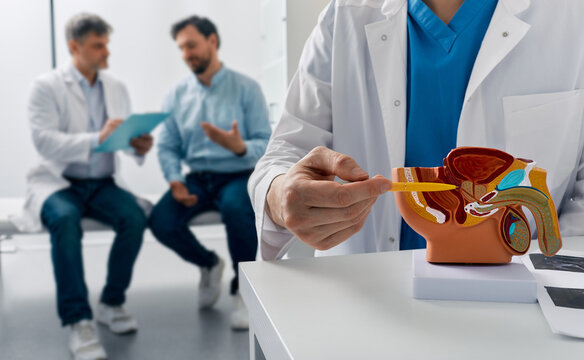
Recovering from urological surgery is a critical phase that can significantly influence the success of the procedure and your overall well-being. Whether the surgery involves the kidneys, bladder, prostate, or urinary tract, proper aftercare ensures faster healing, fewer complications, and a smoother return to daily life. Urologists emphasize that recovery is not just about rest it’s about following a structured plan that supports the body’s natural healing process.
This guide provides expert-backed tips to help you understand what to expect and how to manage your recovery effectively.
Understanding Urological Surgery and Recovery
Urological surgeries can range from minimally invasive procedures to more complex operations. Common examples include kidney stone removal, prostate surgery, and bladder-related procedures. Each type of surgery has its own recovery timeline, but the principles of healing remain similar.
After surgery, the body begins repairing tissues, reducing inflammation, and restoring normal function. During this time, patients may experience mild discomfort, fatigue, or temporary changes in urinary habits. Understanding that these symptoms are often part of the healing process can help reduce anxiety and promote better recovery.
Follow Your Doctor’s Instructions Carefully
One of the most important aspects of recovery is strictly following your urologist’s post-operative instructions. These guidelines are tailored to your specific procedure and health condition.
Instructions may include medication schedules, wound care, activity restrictions, and dietary recommendations. Ignoring or modifying these instructions without medical advice can delay healing or lead to complications.
Manage Pain and Discomfort Effectively
Pain management is a key part of post-surgical recovery. Your doctor may prescribe medications to control pain and reduce inflammation. It is important to take these medications as directed and report any unusual side effects.
In addition to medication, simple practices such as proper rest, gentle movement, and applying heat or cold (if recommended) can help alleviate discomfort. Keeping pain under control allows you to stay active within safe limits, which supports faster healing.
Stay Hydrated and Maintain a Healthy Diet
Hydration plays a vital role in recovery, especially after urological procedures. Drinking enough water helps flush the urinary system, reduces the risk of infection, and supports kidney function.
A balanced diet rich in fruits, vegetables, lean proteins, and whole grains provides essential nutrients for tissue repair. Foods high in fiber can also prevent constipation, which is common after surgery and can strain the body.
Avoid excessive caffeine, alcohol, and spicy foods, as they may irritate the bladder and slow down recovery.
Gradually Return to Physical Activity
While rest is important, complete inactivity can slow down recovery. Urologists recommend gradually reintroducing light physical activity, such as short walks, to improve blood circulation and prevent complications like blood clots.
However, strenuous activities, heavy lifting, and intense exercise should be avoided until your doctor gives approval. Listening to your body and pacing yourself is key to a safe recovery.
Monitor Urinary Changes
After urological surgery, it is normal to notice temporary changes in urinary habits. These may include increased frequency, mild discomfort, or slight changes in urine color.
However, certain symptoms should not be ignored. If you experience severe pain, persistent bleeding, or signs of infection, it is important to seek medical attention immediately. Conditions like Urinary Tract Infection can occur after surgery and require prompt treatment.
Take Care of Surgical Wounds
Proper wound care is essential to prevent infection and promote healing. Keep the surgical area clean and dry, and follow your doctor’s instructions for dressing changes.
Avoid touching or scratching the wound, and watch for signs of infection such as redness, swelling, or discharge. If you notice any unusual symptoms, contact your healthcare provider promptly.
Manage Emotional and Mental Health
Recovery is not only physical but also emotional. It is common to feel anxious, frustrated, or even discouraged during the healing process. These feelings can be managed through support from family, friends, or healthcare professionals.
Practicing relaxation techniques such as deep breathing or meditation can help reduce stress and improve overall well-being. Staying positive and patient with your recovery journey can make a significant difference.
Attend Follow-Up Appointments
Follow-up visits with your urologist are crucial for monitoring your progress and ensuring that the healing process is on track. During these appointments, your doctor may perform tests, adjust medications, or provide additional guidance.
Skipping follow-up visits can lead to missed complications or delayed recovery. Make sure to attend all scheduled appointments and communicate openly about any concerns.
Preventing Complications
Preventing complications is a major goal during recovery. This includes avoiding infections, managing pain, and ensuring proper healing of tissues.
Simple steps such as maintaining hygiene, staying hydrated, and following medical advice can significantly reduce risks. In some cases, your doctor may recommend preventive measures such as antibiotics or specific exercises.
Being proactive and attentive to your body’s signals can help you recover more smoothly.
When to Seek Immediate Medical Help
While most recoveries are uneventful, certain warning signs require immediate attention. These include high fever, severe pain, inability to urinate, or heavy bleeding.
Such symptoms may indicate complications that need urgent care. Early intervention can prevent serious health issues and ensure a safer recovery process.
Conclusion
Recovery after urological surgery requires a combination of medical guidance, lifestyle adjustments, and patience. By following expert recommendations such as staying hydrated, managing pain, maintaining a healthy diet, and attending follow-up appointments you can significantly improve your healing process.
It is also important to monitor for potential complications like Urinary Tract Infection and seek timely medical care when needed. Every patient’s recovery journey is unique, but with the right approach, a smooth and successful outcome is achievable.
For those looking for expert care and reliable medical support, platforms like Instacare.pk make it easier to connect with experienced urologist in islamabad, ensuring you receive the guidance you need at every step of your recovery.